

How to Find the Best Carpal Tunnel Doctor | Expert Guide
From Dr. Z - Carpal tunnel syndrome specialist
The best doctor for carpal tunnel syndrome is a
hand or nerve specialist with extensive experience diagnosing and treating wrist and nerve disorders. Look for a doctor who performs a detailed physical exam, explains your options clearly, and recommends non-surgical treatments before surgery.
Recognize These Signs?
If tingling, numbness, burning, or hand weakness sounds familiar, your symptoms may be due to carpal tunnel syndrome. Find out for certain before your condition worsens.
Check Your Symptoms Test Your SeverityKey Takeaways
- Choose a hand or nerve specialist: Look for a doctor experienced in diagnosing and treating wrist and nerve compression disorders—not a general practitioner.
- Avoid rushed surgery: More than 50% of carpal tunnel surgeries are unnecessary. A good doctor always explores non-surgical options first.
- Ask detailed questions:
Confirm your diagnosis, discuss EMG accuracy, and understand all treatment options before deciding on surgery.
- Experience matters most:
Pick a doctor who has successfully treated hundreds or thousands of carpal tunnel patients and clearly explains every step of your care.
- Trust your instincts: If a doctor seems impatient or dismissive, seek another opinion. You deserve a professional who makes you feel confident and comfortable.
Finding the Best Carpal Tunnel Doctor
If you’re wondering, “Where can I find the best carpal tunnel doctor near me?” you’re asking the right question. Choosing the right specialist is the most important step toward long-term relief and recovery.
Your hands are vital to everything you do, so it’s essential to trust them to a doctor who truly understands carpal tunnel syndrome (CTS). The right doctor will make you feel comfortable, informed, and confident in every step of your care.
Why the Right Doctor Matters
Finding a doctor who listens, explains, and understands your symptoms isn’t just about comfort—it’s about accuracy. According to the American Academy of Orthopedic Surgeons (AAOS), doctors who don’t specialize in hand disorders misdiagnose carpal tunnel 83% of the time.
That means most patients told they have carpal tunnel actually don’t. Instead, they may have tendonitis, arthritis, or another nerve compression issue—all of which require different treatments. A true carpal tunnel expert can distinguish these conditions quickly and correctly.
Beware of Rushed or Unnecessary Surgery
The National Institutes of Health (NIH) reports that over 50% of carpal tunnel surgeries are performed on patients who didn’t actually have the disorder. That’s a staggering number of unnecessary procedures.
If a doctor quickly suggests surgery without exploring non-surgical treatments, that’s a red flag. A great carpal tunnel doctor takes time to confirm the diagnosis through a detailed physical exam and recommends conservative therapies—like bracing, massage, stretching, or CarpalRx therapy—before discussing surgical options.
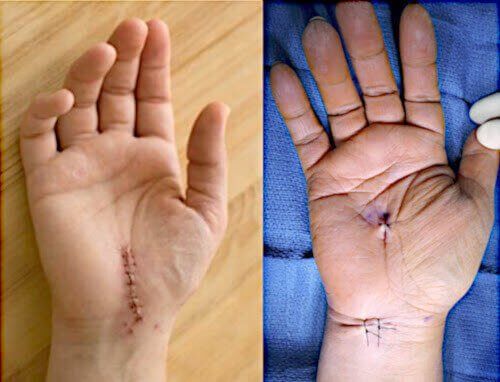
Carpal tunnel release surgery is the second most common surgery in the USA today.
Carpal Tunnel: Manageable but Not Curable
Carpal tunnel syndrome doesn’t have a permanent cure, but it can be managed successfully. Think of it like diabetes—you may be genetically predisposed, and repetitive hand motion can trigger symptoms if you’re prone to it.
Repetitive stress doesn’t cause carpal tunnel, but it can bring on symptoms in those already susceptible. That’s why individualized, ongoing treatment matters. The American Academy of Orthopedic Surgeons confirms that most patients find lasting relief with non-surgical treatments, and only a small percentage ever need surgery.
Tips for Finding the Best Carpal Tunnel Doctor
1. Look for Proven Experience
An experienced carpal tunnel doctor recognizes subtle differences between nerve, tendon, and muscle disorders. They’ll perform a thorough physical exam—not just rely on test results—to identify the true cause of your symptoms.
2. Be Cautious with EMG Tests
Doctors who rely solely on electrodiagnostic testing (EMG) for carpal tunnel syndrome are gravely mistaken. According to the American Academy of Orthopedic Surgeons, in a large percentage of cases, EMG tests are not reliable.
That means the best diagnosis comes from the knowledge and experience. The best carpal tunnel doctor knows that, and will not rely on EMG testing for a diagnosis.

3. Double-Check the Diagnosis
Ask questions until you’re confident in the diagnosis and treatment plan. If your doctor can’t clearly explain how they distinguished carpal tunnel from tendonitis or arthritis, seek a second opinion. You are your own best advocate.
4. Verify the Doctor’s Background
Choose a doctor who has treated hundreds or thousands of carpal tunnel patients—not just a few. Ask about their experience, success rates, likelihood of complication, and whether they specialize in open or endoscopic carpal tunnel release. A skilled, experienced surgeon is worth every penny.
Summary
Your search for the best carpal tunnel doctor begins with one simple rule: choose experience over convenience. A true hand specialist will take time to understand your symptoms, perform the right tests, and discuss every available option—from conservative treatments to surgery.
By asking smart questions and trusting your instincts, you’ll find a doctor who helps you restore hand strength, comfort, and confidence—without unnecessary risks or procedures.
FAQs
1. What kind of doctor treats carpal tunnel syndrome?
The best doctors for carpal tunnel are hand specialists, orthopedic surgeons, or neurologists with advanced training in nerve compression and wrist disorders.
2. Should I see a specialist before surgery?
Yes. Always consult a specialist before scheduling surgery. Most patients improve significantly with non-surgical options like night bracing, stretching, or CarpalRx therapy.
3. How do I know if my doctor is experienced with carpal tunnel?
Ask how many carpal tunnel patients they’ve treated and whether they specialize in open or endoscopic release surgery. A confident, experienced doctor will answer openly and encourage questions.