

Purpose: Begins tendon gliding at the fingertips.
How to do it:
- Interlace your fingers with your palms together.
- Rotate your palms outward, pushing them forward.
- Straighten your elbows fully.
- Hold 5 seconds, relax, and repeat.
CarpalRx - Carpal Pain Solutions
2609 S. Federal Highway
No. 1147 Fort Pierce, FL 34982
From Dr. Z - Carpal tunnel syndrome specialist
Table of Contents
Carpal tunnel exercises
are targeted stretches that loosen and lubricate the flexor tendons in your fingers, wrist, and forearm. When performed in the correct sequence—fingers first, then wrist, then forearm—they reduce pressure on the median nerve, improve tendon glide, and help relieve numbness, tingling, and wrist pain.
Carpal tunnel exercises are simple movement-based stretches that target the flexor tendons responsible for bending your fingers and wrist. These tendons pass through the narrow carpal tunnel. When they become irritated or develop adhesions, they compress the median nerve and trigger symptoms such as numbness, tingling, pain, and weakness.
These exercises work by:
When done correctly, they help relieve symptoms and prevent carpal tunnel syndrome from getting worse.
Carpal tunnel exercises benefit anyone experiencing hand strain, repetitive motion, or early signs of nerve compression. They are especially important for people who type, grip tools, or repeat the same wrist motions throughout the day.
You may benefit if you work as a:
Even if you don’t have carpal tunnel syndrome yet, these exercises can help keep symptoms from developing.
Yes—when performed consistently and in the correct order, carpal tunnel exercises can significantly reduce symptoms. They target the forearm tendons, which are the structures that irritate the median nerve inside the wrist.
Exercises alone may not cure advanced cases, but they play a major role in:
For many people, they are one of the most effective forms of conservative, at-home care.

Hand specialists emphasize sequence because it determines whether the tendon system is fully stretched.
To be effective, you must stretch in this order:
Skipping finger exercises—or doing them last—reduces the effectiveness of all other stretches.
The goal of sequencing is simple: Loosen, lengthen, and lubricate the flexor tendons from fingertip to forearm so they glide smoothly and stop irritating the median nerve.
These exercises are the ones that matter most. They specifically target the tendons responsible for carpal tunnel syndrome.

Purpose: Begins tendon gliding at the fingertips.
How to do it:

Purpose: Stretches the fingers and wrist tendons at their base.
How to do it:

Purpose: Targets forearm tendons that feed into the wrist and fingers.
How to do it:
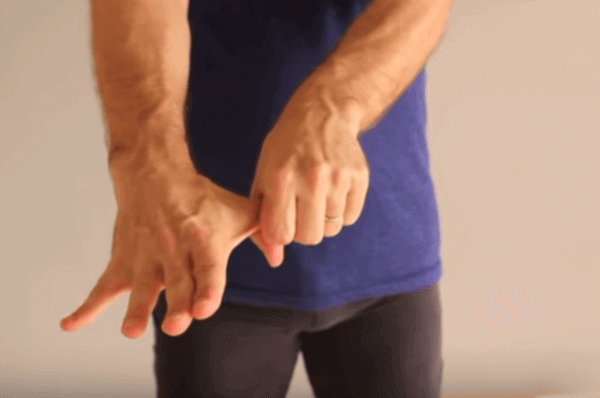
Purpose: Loosens the tendon system that stabilizes the wrist.
How to do it:
For general prevention:
Every 30–60 minutes during stressful activities (typing, golfing, gaming, grasping) involving your hands.
For significant symptoms:
Hand specialists often recommend:
60 seconds of stretching for every 60 minutes of hand use.
Consistency is essential for preventing recurring irritation of the median nerve.
These core carpal tunnel exercises provide a direct way to stretch and lubricate the flexor tendons that cause carpal tunnel syndrome. Because they reduce friction, break up adhesions, and improve blood flow, they relieve symptoms and prevent flare-ups—especially when done frequently throughout the day.
By performing finger, wrist, and forearm stretches in the correct order, you protect the median nerve and support long-term wrist health.
1. Can carpal tunnel exercises cure the condition?
They can relieve symptoms in many mild and moderate cases, especially when done consistently. Severe cases may require additional therapy.
2. How soon will I feel relief?
Some people feel improvement in a few days. Most see benefits within 2–4 weeks if they perform the exercises regularly.
3. Can I make the symptoms worse?
Yes. Stretching too aggressively or too often can irritate the tendons. Perform all exercises gently and gradually increase frequency.

Dr. Maik Zannakis (Dr. Z)
Medical Director at the CarpalRx
Dr. Z is an acclaimed medical scientist renowned for his expertise in carpal tunnel syndrome and soft tissue disorders. With over 40 years of experience, he is credited with hundreds of medical journal publications and hundreds more web articles about carpal tunnel syndrome. After inventing the CarpalRx, Dr. Z became the go-to expert for carpal tunnel syndrome and wrist tendonitis. His opinions, inventions, and personalized care have distinguished Dr. Z as a trusted leader in this growing field. Read full Bio
Click here to learn more about Dr. Z
Email: dr.z@carplarx.com
Phone: 800-450-6118
CarpalRx - Carpal Pain Solutions
2609 S. Federal Highway
©2025 Copyright | All Rights Reserved | CarpalRX