Table of Contents
- Understanding Carpal Tunnel Massage
- Recognizing the Symptoms
- When to Use Carpal Tunnel Massage
- The Science Behind Carpal Tunnel Massage
- How Carpal Tunnel Massage Works
- Why Myofascial Release Is Different
- Is Carpal Tunnel Massage Safe?
- The Bottom Line
- FAQs
- Key Takeaways
- About
Carpal tunnel massage
works well when it’s done correctly. The key is a specialized technique called
myofascial release massage, which targets the tendons and tissues inside the wrist. It helps relieve pressure on the median nerve, reduce inflammation, and restore smooth tendon movement — often eliminating carpal tunnel symptoms entirely.
Recognize These Signs?
If tingling, numbness, burning, or hand weakness sounds familiar, your symptoms may be due to carpal tunnel syndrome. Find out for certain before your condition worsens.
Check Your Symptoms
Test Your Severity
Understanding Carpal Tunnel Massage
One of the most common questions patients ask is: “Does carpal tunnel massage really work?”
The answer is a resounding
yes, but only when using the
right kind of massage.
Doctors and physical therapists have long known that massage can ease carpal tunnel symptoms — but not all massages are equal. The type that delivers lasting relief is called
myofascial release massage. This therapeutic approach targets the tough tissue (fascia) around your tendons and muscles, breaking down adhesions and promoting proper healing.
When performed consistently, myofascial release doesn’t just soothe pain — it can help reverse carpal tunnel syndrome altogether.
Recognizing the Symptoms
Carpal tunnel syndrome usually begins with
pain, numbness, tingling, or
burning in the fingers or hand. You might wake up at night shaking your hand to relieve that “pins and needles” sensation. Sometimes, you may feel
shooting electric shocks when grasping.
If your
pinky finger feels normal, that’s a classic sign of carpal tunnel syndrome.
Without treatment, symptoms usually worsen within 6–12 months, often affecting
both hands. That’s why early, consistent therapy — such as carpal tunnel massage — is so critical.
When to Use Carpal Tunnel Massage
Carpal tunnel massage using myofascial release can benefit all stages of the condition, from mild to
severe. Even patients with long-standing or “end-stage” symptoms can improve.
A typical therapy plan involves:
- Daily massage
sessions lasting about 15 minutes
- 4–6 weeks
of consistent treatment
Your results depend on
how severe your symptoms are and
how long
you’ve had them.
Because professional therapy can be costly, many patients perform
self-massage at home for maintenance. However, true myofascial release requires two hands and is most effective when guided by a trained therapist.
The Science Behind Carpal Tunnel Massage
For most people, carpal tunnel syndrome starts when
wrist tendons become damaged and inflamed. Normally, tendons glide smoothly through a protective sheath. But with overuse, microscopic tears occur, causing
collagen fibers to fray and clump.
This rough surface leads to friction and swelling inside the tight carpal tunnel — a small passageway that also houses the
median nerve. As swelling increases, the nerve becomes compressed, triggering pain, numbness, and weakness in your hand and fingers.
Myofascial release massage helps by
breaking adhesions between tendons and their sheaths, restoring proper gliding motion and allowing healthy collagen to reform. As a result, tendon swelling subsides
and the median nerve is decompressed. In short, massage helps the body
“reset”
its healing process.
How Carpal Tunnel Massage Works
During myofascial release, the therapist presses deeply into the wrist and forearm, then moves their thumbs in
opposite circular motions. This creates a shearing force that separates stuck tissue layers — freeing the tendons from their restrictive adhesions.
As the tissue heals correctly, swelling subsides, and the median nerve is no longer compressed. That’s why consistent daily massage produces the fastest and most complete results.
Why Myofascial Release Is Different
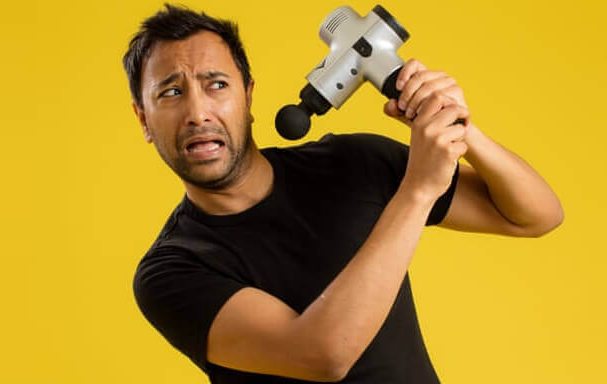
Not every carpal tunnel massage works. Regular pressure or vibration massages only move soft tissue around — they might feel good but won’t fix the problem. What's worse, vibration is known to cause
vibration syndrome, a disorder related to carpal tunnel syndrome.
Myofascial release, on the other hand, directly targets the source of carpal tunnel: tendon adhesions.
By gently separating the layers of fascia and tendons, this massage improves flexibility, boosts circulation, and helps your body repair the damaged collagen that caused the issue in the first place.
Is Carpal Tunnel Massage Safe?
Yes — myofascial release massage is completely
safe and non-invasive. It’s the preferred treatment among
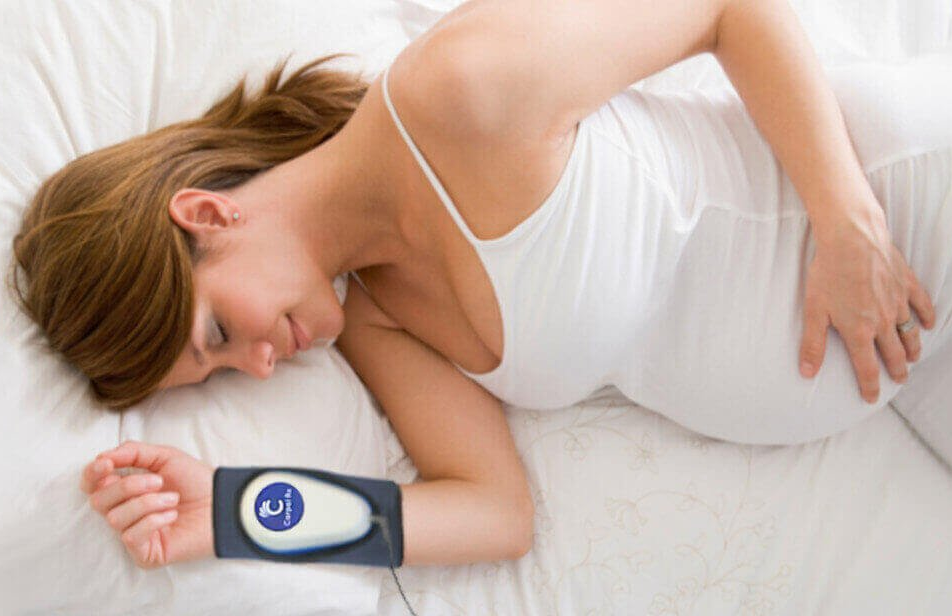
physical therapists and chiropractors, and it’s even
safe during pregnancy.
Massage should only be avoided on injured or irritated skin, such as with burns, bruises, infections, or open cuts.
The Bottom Line
So, can carpal tunnel massage really help?
Absolutely.
When performed as daily myofascial release therapy, it can
eliminate pain, numbness, tingling, and weakness — and even help you avoid surgery.
To succeed, you’ll need to commit to 15 minutes per day for 4–6 weeks. Do that, and your hands can truly feel normal again.
FAQs About Carpal Tunnel Massage
1. How does carpal tunnel massage relieve pain and numbness?
It works by releasing tight fascia and breaking up adhesions between tendons and their sheaths. This improves blood flow, reduces swelling, and relieves pressure on the median nerve.
2. Can I do carpal tunnel massage myself at home?
You can perform gentle self-massage for maintenance, but true myofascial release is best done by a therapist who uses two-handed techniques for maximum effect.
3. How long before I feel results from carpal tunnel massage?
Most patients notice pain relief after 2–3 weeks of consistent therapy. For complete recovery, daily sessions for 4–6 weeks are recommended.
Don't Ignore the Early Signs
Carpal tunnel syndrome is progressive. The sooner you identify the warning signs, the better your chances of treating it successfully without surgery.
Check Your Symptoms
Test Your Severity
Key Takeaways
- Carpal tunnel massage works best when done as myofascial release.
- Daily therapy for 4–6 weeks
helps restore normal tendon movement and nerve function.
- It’s safe, non-invasive, and often eliminates the need for surgery.
- Consistency is key
— missing sessions can slow or limit recovery.
- With proper technique, you can achieve lasting relief from pain, numbness, tingling, and weakness.
About