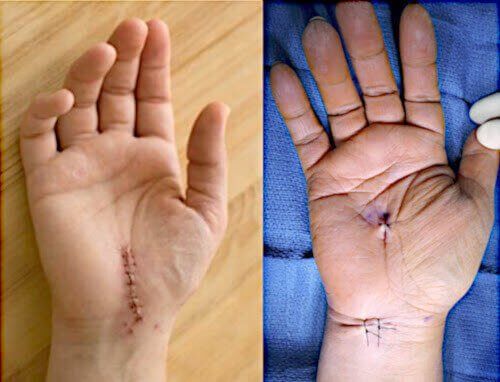
Carpal tunnel surgery recovery typically takes weeks to months, progressing through four phases—from post-op care to long-term rehabilitation—depending on health, surgery type, and aftercare.
Carpal tunnel surgery recovery is one of the biggest concerns patients have before undergoing the procedure. And that’s understandable—surgery affects not just healing, but your ability to use your hand for everyday tasks.
The truth is, recovery is not a simple timeline. It depends on several key factors, including your health, the type of surgery performed, and how committed you are to rehabilitation.
Carpal tunnel surgery recovery occurs in four phases: post-operative (hours after surgery), post-discharge (first 2 weeks), short-term rehabilitation (2–6 weeks), and long-term rehabilitation (6–12 months). Recovery time varies based on overall health, surgery type, and adherence to therapy.
FREE SELF-ASSESSMENT
Think you have carpal tunnel?
Take this quick test to see if your symptoms match carpal tunnel syndrome.
Take the free self-test →
People Also Ask
How long does carpal tunnel surgery recovery take?
Most recovery occurs within weeks, but full strength and function can take 6–12 months.
When can I use my hand after carpal tunnel surgery?
Light use begins within days, but full use returns gradually over weeks to months.
Is carpal tunnel surgery recovery painful?
Yes, especially in the first 1–2 weeks, but pain typically improves with time and care.
Can carpal tunnel come back after surgery?
Yes. Symptoms often return if underlying causes—like repetitive hand use—are not addressed.
How Long Is Carpal Tunnel Surgery Recovery?
Carpal tunnel surgery recovery time varies widely. While the procedure itself takes about 30 minutes, recovery can last anywhere from
a few weeks to several months.
Full recovery—especially regaining
strength and dexterity—may take up to a year.
Factors That Affect Recovery Time
Several factors determine how quickly you recover:
- Overall health
- Medical history or chronic conditions
- Type of surgery (open vs.
endoscopic)
- Presence of
complications
- Commitment to rehabilitation
Because the hand is highly complex, recovery is more involved than many other procedures.
⚠ What Delays Carpal Tunnel Surgery Recovery?
- Returning to repetitive hand use too soon
- Skipping rehabilitation exercises
- Poor scar care or reinjury
- Underlying conditions (diabetes, arthritis)
- Post-surgical complications (infection, nerve irritation)
Avoiding these factors is just as important as the surgery itself when it comes to long-term results.
Phases of Carpal Tunnel Surgery Recovery
Carpal tunnel surgery recovery happens in
four distinct phases:
- Post-operative
- Post-discharge
- Short-term rehabilitation
- Long-term rehabilitation
Each phase builds on the previous one and determines your final outcome.
Carpal Tunnel Surgery Recovery Timeline
🟢 Day of Surgery:
Procedure completed, recovery room monitoring (2–4 hours)
🟡 First 2 Weeks:
Rest, bandage care, pain management, limited hand use
🟠 Weeks 2–6:
Stitches removed, begin therapy, gradual return to daily activities
🔵 6 Weeks – 3 Months:
Strength and mobility improve with continued rehab
🟣 3–12 Months:
Full recovery phase, return to complex hand function
Post-Operative Recovery (First Hours)
This phase begins immediately after surgery in the recovery room.
- Lasts about 2–4 hours
- Monitoring for bleeding or
anesthesia reactions
- Gradual return to alertness
If stable, you’ll be discharged the same day.
Post-Discharge Recovery (First 2 Weeks)
This is the most restrictive phase, so follow your doctor's
instructions:
- Rest is essential for the first few days
- Keep bandages clean and dry
- Expect
pain, especially at night
- Elevate your hand to reduce swelling
Light activities (like eating or brushing teeth) begin within a few days.
Stitches are typically removed around 2 weeks.
Short-Term Rehabilitation (2–6 Weeks)
This is a
critical phase for long-term success.
- Begin hand therapy and exercises
- Gradually return to daily activities
- Protect and care for the surgical scar
- Gentle massage may help reduce stiffness
- Massage in vitamin E oil to minimize scar formation
Your future strength and mobility depend heavily on this stage.
PERSONALIZED RESULTS
Already know you have carpal tunnel?
Find out your severity level and the most effective treatment approach for your symptoms.
Take the 2-minute severity quiz →
Long-Term Rehabilitation (6–12 Months)
Recovery continues well beyond the first few weeks.
- Progressive strength training
- Increasingly complex hand use
- Continued therapy and exercises
However, returning to the same repetitive activities or
occupation) that caused the condition can lead to recurrence.
Carpal Tunnel Recovery: Surgery vs Non-Surgical Treatment
| Factor |
Surgery |
CarpalRx Therapy ⭐ BEST CHOICE |
| Recovery Time |
6 weeks – 12 months |
Relief often begins within 30 days |
| Treats Root Cause |
✖ Does not reduce tendon swelling |
✔ Reduces swelling inside the wrist |
| Pain During Recovery |
Moderate to severe initially |
Minimal |
| Risk of Complications |
Infection, nerve damage, stiffness |
None |
| Downtime |
Weeks off work |
No downtime |
| Ease of Use |
Surgery + rehab required |
Easy—just relax as it works |
Risks and Complications During Recovery
While many patients recover well,
complications
can occur:
- Prolonged pain
- Infection
- Nerve damage
- Loss of strength or mobility
In fact, a
significant number of patients report dissatisfaction years after surgery due to lingering symptoms.
Key Takeaways
- Recovery happens in
4 phases
- Initial healing takes weeks; full recovery can take months
- Rehab is critical for long-term success
- Symptoms can return if root causes aren’t addressed
Summary
Carpal tunnel surgery recovery is a gradual process that unfolds over four phases, from immediate post-op care to long-term rehabilitation.
Your outcome depends on:
- The type of surgery
- Your overall health
- Whether complications occur
- How consistently you follow rehab
With proper care and realistic expectations, recovery can restore function—but it requires time, effort, and patience.
About Dr. Zannakis