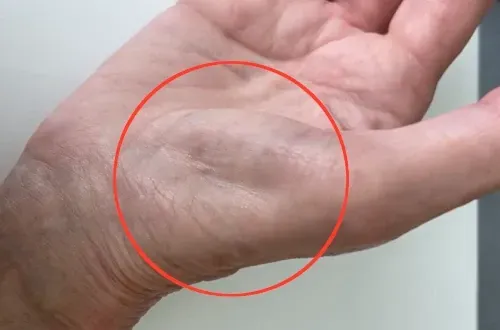
If you have carpal tunnel syndrome, losing grip strength is one of the most important warning signs. As the condition progresses, hand weakness, clumsiness, and dropping objects become more noticeable.
If you’ve noticed your hands feel weaker or you’re dropping things more often, it may be related to
carpal tunnel syndrome.
One of the most important warning signs is
losing grip strength. What starts as occasional tingling or numbness can gradually affect your ability to hold, grasp, and control objects.
Understanding how
carpal tunnel and grip strength loss are connected can help you recognize the stage you’re in—and take action before symptoms become permanent.
Here’s why carpal tunnel syndrome affects your grip strength:
Losing grip strength with carpal tunnel syndrome happens when the median nerve is compressed by swollen tendons in the wrist. As pressure increases, hand strength declines, leading to clumsiness, dropping objects, and difficulty performing fine motor tasks.
People Also Ask
Is losing grip strength a sign of carpal tunnel syndrome?
Yes. Losing grip strength is a common sign that carpal tunnel syndrome is progressing, especially beyond the mild stage.
At what stage does carpal tunnel affect grip strength?
Grip strength usually begins to decline in the moderate stage and worsens significantly in the severe stage.
Why does carpal tunnel cause weak hands?
Compression of the median nerve disrupts signals to the hand muscles, leading to weakness and reduced coordination.
Can grip strength loss from carpal tunnel become permanent?
Yes. In advanced stages, nerve damage and muscle wasting can lead to permanent loss of strength and function.
Carpal Tunnel and Grip Strength Loss
Carpal tunnel syndrome is a
progressive nerve compression disorder
that affects both sensation and strength in your hand.
When the
median nerve is compressed inside the wrist, it interferes with signals that control your muscles. Over time, this leads to
reduced grip strength and coordination.
Common symptoms include:
As these symptoms worsen,
grip strength is gradually affected
How Carpal Tunnel Progresses
Carpal tunnel syndrome typically develops in stages:
- Mild
- Moderate
- Severe
- End stage
While the timeline varies, the condition is almost always progressive without treatment.
As it advances:
- Symptoms become more frequent
- Nerve compression increases
- Strength and coordination decline
What Mild Carpal Tunnel Feels Like
In the early stage, symptoms are subtle and often ignored.
Typical signs:
- Symptoms occur mainly at night
- Tingling or numbness wakes you from sleep
- Relief comes from shaking your hand
- Symptoms affect the thumb, index, and middle fingers
Grip strength is usually
not affected yet.
What Moderate Carpal Tunnel Feels Like
As the condition progresses, symptoms become more noticeable—and more disruptive.
What changes:
- Symptoms occur during the day and at rest
- Numbness becomes more constant
- Pain may extend into the forearm
At this stage:
👉
Grip strength often begins to decline
You may notice:
- You may notice dropping objects, difficulty opening jars, and trouble with fine motor tasks like buttoning clothes.
- Reduced finger dexterity
- About 80% of the time symptoms start on the other hand
This is often the point where people realize something is seriously wrong.
What Severe Carpal Tunnel Feels Like
In the
severe stage, symptoms are constant and intense.
Key features:
- Persistent pain, numbness, and tingling
- Little to no relief
- Reduced ability to feel temperature
- Significant loss of hand function
- Thenar (thumb) muscle may begin to degenerate (atrophy)
Grip strength is now significantly impaired, although pain and numbness typically dominate the overall experience.
Here’s how grip strength loss can become permanent:
⚠ Warning: Thenar Atrophy Indicates Severe Nerve Damage
If the muscle at the base of your thumb appears flattened or sunken, this is called thenar atrophy.
It means the nerve controlling your thumb is deteriorating—leading to permanent loss of strength and function.
End-Stage Carpal Tunnel Syndrome
In the final stage, the condition becomes irreversible.
Signs include:
- Severe muscle wasting
- Loss of thumb function
- Extreme weakness in grip
- Loss of temperature sensation
At this stage:
- The median nerve is severely damaged
- Pain may decrease (due to nerve failure)
- Thumb muscle atrophy
- Function cannot be restored
Summary
If you have carpal tunnel syndrome, losing grip strength is a key sign that the condition is progressing. While early stages may not affect strength, the moderate stage often marks the beginning of noticeable weakness, clumsiness, and difficulty handling everyday tasks.
As the condition advances, nerve compression worsens and hand function declines. In severe cases, grip strength can be significantly impaired, and in the end stage, permanent nerve damage and muscle wasting may occur.
The earlier you recognize and treat these symptoms, the better your chances of preserving strength and avoiding permanent damage.
Key Takeaways
- Losing grip strength is a key sign of carpal tunnel progression
- It usually begins in the moderate stage
- Severe stages involve major loss of function
- End-stage damage is irreversible
- Early treatment helps preserve strength and function
About Dr. Zannakis