
Carpal Tunnel Syndrome Treatments: Non-Surgical Options Compared

From Dr. Z - Carpal tunnel syndrome specialist

Carpal tunnel syndrome treatments include non-surgical options like therapy devices, exercises, and support tools that reduce pressure on the median nerve.

If you’re looking for carpal tunnel syndrome treatments, the good news is that most cases can improve without surgery.


There are several non-surgical options available—from a simple wrist brace to more advanced therapy devices. But not all treatments work the same way, and some are better supported by clinical evidence than others.


Below, we compare the most commonly used home-based treatments so you can understand how they work and which may be right for your symptoms.

What are the most effective carpal tunnel syndrome treatments?


The most effective carpal tunnel syndrome treatments include therapy devices, targeted exercises, and other non-surgical approaches that reduce pressure on the median nerve and relieve symptoms.

✔ Most Effective Carpal Tunnel Syndrome Treatments
  • Wrist brace – stabilize the wrist, especially at night
  • Myofascial release therapy – reduces swelling and tissue restriction
  • Stretching & mobility exercises – improve tendon movement
  • All of these treatments work by reducing pressure on the median nerve —the root cause of carpal tunnel symptoms.

Here are answers to common questions about carpal tunnel syndrome treatments.

People Also Ask
What are the most effective carpal tunnel syndrome treatments?
The most effective carpal tunnel syndrome treatments are non-surgical options that reduce pressure on the median nerve, including therapy devices, exercises, and supportive tools.
Can carpal tunnel syndrome be treated without surgery?
Yes. Many cases improve with non-surgical treatments such as activity modification, exercises, and therapies that reduce swelling and relieve pressure on the median nerve.
Which carpal tunnel treatment works best?
The best treatment depends on symptom severity and cause. Treatments that directly reduce pressure on the median nerve are generally more effective than those that only support the wrist.
How long do carpal tunnel treatments take to work?
Some treatments may provide relief within days, but most require consistent use over several weeks to significantly reduce symptoms such as numbness, tingling, and weakness.

Not sure if you have carpal tunnel?

I’ll help you think through your symptoms. This simple self-test checks the most common signs of carpal tunnel syndrome.

Find Out If You Have Carpal Tunnel

Take the self-test now →

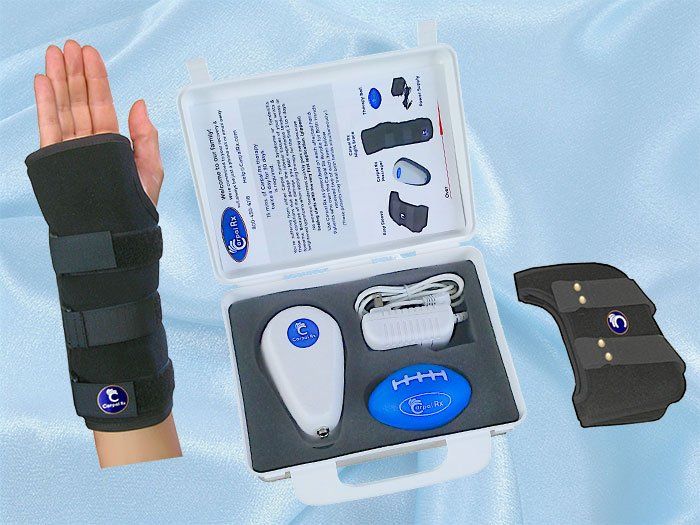
1. CarpalRx (Myofascial Release Therapy Device) - $239.95

CarpalRx bundle for 1 hand

CarpalRx is a home-use device designed to deliver myofascial release therapy; a technique commonly used by physical therapists to reduce tissue tension and improve mobility.

  • Uses motorized massage heads to simulate manual therapy
  • Aims to reduce adhesions and swelling in the carpal tunnel
  • Typically used for 15 minutes, twice daily

Evidence:

Some clinical studies report high success rates, particularly in moderate and severe cases. It is also FDA-cleared as a therapeutic device.


Considerations:

  • Requires consistent daily use
  • Higher upfront cost compared to simpler options
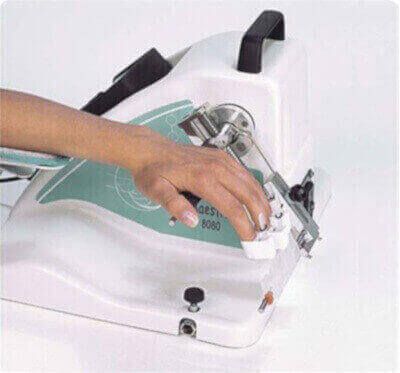
2. Medcom CPM Device - $975 per month

Medcom for carpal tunnel

The Medcom CPM is a passive motion machine that moves the wrist through controlled ranges of motion.

  • Designed to promote tendon mobility
  • Often used in rehabilitation settings

Evidence:

There is limited publicly available clinical data specifically supporting its effectiveness for carpal tunnel syndrome.


Considerations:

  • Typically rented rather than purchased
  • Cost can add up over time

M-Brace - $17.99

m-brace

The M-Brace is a commonly used wrist brace treatment for carpal tunnel syndrome.

  • Keeps the wrist in a neutral position
  • Often worn daytime and at night

Evidence:

Recommended for mild to moderate cases, especially for nighttime symptoms.


Considerations:

  • Does not address underlying tissue adhesions
  • Effectiveness varies between individuals

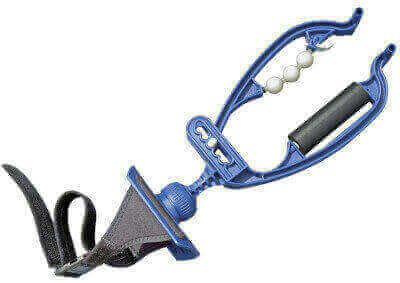
4. Armaid (Self-Massage Tool) - $79.00

armaid

Armaid is a manual device that allows users to apply pressure to muscles and soft tissue in the arm.

  • Used to target trigger points
  • Often applied during movement

Evidence:

Primarily used for general muscle tightness and repetitive strain injuries rather than carpal tunnel specifically.


Considerations:

  • Can be uncomfortable to use
  • Not designed for carpal tunnel syndrome, but for tendonitis and repetitive stress injury

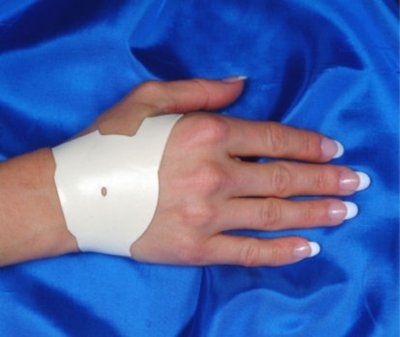
5. Carpal Solution (Adhesive Tape) - $89.95 for 6 weeks

carpal solution

TheCarpal Solution uses adhesive tape applied to the hand and wrist.

  • Designed to gently stretch tissues
  • Worn for extended periods

Evidence:

Clinical support is limited. Some users report temporary symptom relief.


Considerations:

  • Requires ongoing use
  • Results may not be long-lasting
  • More expensive in the long run compared to other options

Treatment How It Works Evidence Ease of Use Notes
Myofascial Release Device Breaks down tissue adhesions and reduces swelling Supported by some clinical studies Moderate (daily use required) Targets underlying tissue restriction
Wrist Brace Keeps wrist in neutral position Widely recommended for mild cases Easy (especially at night) Best for early symptoms
Exercise / CPM Devices Moves wrist through controlled motion Limited evidence specific to CTS Moderate (setup required) Often used in rehab settings
Massage Tools Applies pressure to muscles and soft tissue Mixed evidence Moderate (manual effort) May help with general tightness
Stretching Wrap Systems Applies tension to stretch tissues Limited clinical support Moderate (ongoing use) Results vary between users
Myofascial Release Device
Breaks down adhesions and reduces swelling
Evidence: Some clinical support
Ease: Moderate (daily use)
Wrist Brace
Keeps wrist neutral
Evidence: Widely recommended
Ease: Easy
Exercise / CPM Devices
Controlled wrist movement
Evidence: Limited for CTS
Ease: Moderate
Massage Tools
Applies pressure to tissue
Evidence: Mixed
Ease: Moderate
Stretching Wrap Systems
Stretches tissues
Evidence: Limited
Ease: Moderate

Already know you have carpal tunnel?

The next step is understanding how advanced your symptoms are. This quick severity quiz shows whether your condition appears mild, moderate, or severe.

Check Your Carpal Tunnel Severity

Take the severity quiz →

Summary

These carpal tunnel syndrome treatments represent some of the most commonly used non-surgical options:


  • Myofascial release device aims to reduce tissue restriction
  • Wrist bracing helps stabilize the wrist
  • Motion devices and massage tools attempt to improve mobility
  • Adhesive tape stretches tissues


Each approach has advantages and limitations. The best option often depends on symptom severity, consistency of use, and how well the treatment addresses nerve compression.

About Dr. Zannakis

Biography: Dr. Z - CarpalRx Medical Director & author

Dr. Maik Zannakis (Dr. Z) 

Medical Director at the CarpalRx


Dr. Z is an acclaimed medical scientist renowned for his expertise in carpal tunnel syndrome and soft tissue disorders. With over 40 years of experience, he is credited with hundreds of medical journal publications and hundreds more web articles about carpal tunnel syndrome. After inventing the CarpalRx, Dr. Z became the go-to expert for carpal tunnel syndrome and wrist tendonitis. His opinions, inventions, and personalized care have distinguished Dr. Z as a trusted leader in this growing field. Read full Bio


Email: dr.z@carplarx.com

Phone: 800-450-6118