

Frequent, high-intensity hand movements—like gaming, texting, or tool use—place constant strain on tissues. Over time, this leads to micro-damage that accumulates.
Repetitive Stress Injury: Causes, Symptoms, and Prevention
From Dr. Z - Carpal tunnel syndrome specialist
Repetitive stress injury happens when repeated hand or wrist movements damage tendons, muscles, or nerves over time, causing pain, weakness, stiffness, or numbness.
A repetitive stress injury happens when the small stresses you put on your hands, wrists, and arms every day build up faster than your body can recover. That repeated strain can inflame tendons, irritate nerves, and eventually make normal activities painful.
These injuries are common in people who type, grip tools, lift heavy objects, use vibrating equipment, or work in awkward positions. In many cases, poor posture makes the problem worse. The good news is that repetitive stress injury is often preventable when you catch the warning signs early and reduce the strain causing it.
A repetitive stress injury is damage to muscles, tendons, or nerves caused by repeated movement or prolonged strain. Common causes include typing, gripping tools, poor posture, heavy lifting, cold environments, and overuse of the hands and wrists. Early symptoms include pain, tingling, stiffness, weakness, and reduced hand function.
People Also Ask
What is a repetitive stress injury?
A repetitive stress injury is damage to muscles, tendons, or nerves caused by repeated movement or prolonged strain. It most commonly affects the hands, wrists, and arms.
What are the first signs of repetitive stress injury?
Early signs include mild pain, tingling, stiffness, weakness, or fatigue in the hands and wrists. Symptoms often start during or after activity and gradually worsen if ignored.
What causes repetitive stress injury in the wrist and hand?
Common causes include repetitive typing, gripping tools, poor posture, heavy lifting, vibrating equipment, and prolonged hand use without enough rest.
Can repetitive stress injury be prevented?
Yes. You can prevent repetitive stress injury by improving posture, taking regular breaks, reducing repetitive strain, and responding early to pain or discomfort.
Think you have carpal tunnel?
Complimentary self-test
Already
know
you have carpal tunnel?
Learn its severity with this Quiz

What Is a Repetitive Stress Injury?
A repetitive stress injury is exactly what it sounds like: damage caused by repeatedly stressing a joint or muscle group.
It’s also known by several other names, including:
- Repetitive strain injury
- Repetitive motion injury
- Cumulative trauma disorder (CTD)
- Overuse syndrome
- Occupational overuse syndrome
All of these describe the same underlying problem—gradual tissue breakdown from repeated mechanical stress.
Why the Wrist and Hand Are Most Affected
Your hands and wrists are used constantly throughout the day. They’re strong and adaptable—but not invincible.
When pushed beyond their limits, repetitive use can lead to inflammation, irritation, and eventually injury. That’s why repetitive stress injury most often affects:
- Fingers
- Hands
- Wrists
- Forearms
Common conditions linked to repetitive stress injury include:
A repetitive stress injury doesn’t have just one cause. Instead, it develops from a combination of physical strain, habits, and environment. A complete list of activities causing RSI can be found here.
1. Repetitive Movements (Fast or Forceful)

2. Repetitive Movements (Slow and Continuous)

Even low-force movements can cause injury when repeated for hours—like typing or using a mouse and keyboard. These small stresses add up and eventually lead to inflammation.
3. Heavy loads

Lifting, pulling, or carrying heavy objects puts intense pressure on muscles and tendons. Even if not repeated constantly, the strain can build quickly.
4. Acute trauma

A single high-impact event—like a car accident—can mimic or trigger symptoms of a repetitive stress injury, especially in the arms and shoulders.
5. Poor posture

Poor posture is one of the most overlooked causes of repetitive stress injury. In particula, slouching or hunching:
- Misaligns joints
- Increases tendon stress
- Amplifies the impact of repetitive movement
Over time, this combination can lead to serious dysfunction.
6. Environmental Factors

Cold temperatures and vibration increase risk. For example:
- Working in cold conditions stiffens tissues
- Using vibrating tools(like drills or jackhammers) increases tendon irritation
7. Psychological Stress & Fatigue

Mental stress and fatigue can indirectly increase your risk. When you’re tired or stressed:
- You push through discomfort
- Your posture worsens
- Your movements become less efficient
All of these contribute to injury risk.
Symptoms of Repetitive Stress Injury
Symptoms of repetitive stress injury usually begin gradually. At first, you may only notice mild discomfort during or after activity. But over time, symptoms can become more frequent, last longer, and interfere with daily tasks.
Common repetitive stress injury symptoms include:
- Pain in the fingers, hand, wrist, or forearm
- Tingling or numbness
- Stiffness or tightness
- Weak grip strength
- Burning or aching sensations
- Clumsiness or reduced coordination
- Swelling or tenderness around tendons or joints
The exact symptoms depend on which tissues are affected. For example, tendon irritation may cause more aching and tenderness, while nerve irritation may cause more numbness, tingling, or weakness.
How to Prevent Repetitive Stress Injury
The most effective way to deal with repetitive stress injury is to stop it before it starts—or before it worsens.
1. Reduce Repetitive Strain
Take a close look at your daily activities. Identify movements you repeat frequently and find ways to reduce or modify them.
2. Improve Your Workstation
For computer users (the most common RSI group):
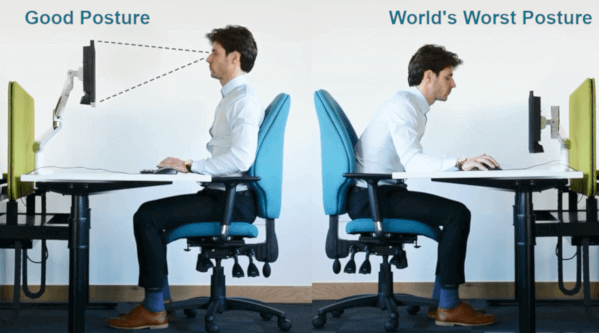
- Sit upright—avoid slouching
- Keep wrists neutral (not bent)
- Position your screen at eye level
- Keep elbows relaxed at your sides
3. Take Regular Breaks
Short breaks are critical. Even 1–2 minutes every 20–30 minutes can reduce cumulative stress.
4. Use Proper Technique
Whether typing, lifting, or gripping:
- Use your whole hand—not just fingers
- Avoid overreaching
- Use both hands when possible
5. Stretch Frequently
Incorporate simple stretches for:
- Neck and shoulders
- Forearms and wrists
- Fingers and hands
6. Listen to Early Warning Signs
Pain, tingling, stiffness, or weakness are early signals. Ignoring them allows minor irritation to become a full repetitive stress injury.
Keyboard and Mouse: The #1 Hidden Cause
One of the most common sources of repetitive stress injury today is computer use.
In fact, 60% of computer workers experience RSI symptoms at some point. The biggest contributor isn’t typing itself—it’s how you sit while doing it.
Key habits to prevent injury:
- Maintain proper posture at all times
- Limit excessive mouse use
- Avoid straining fingers for key combinations
- Rest wrists and elbows when not typing
- Pace your work instead of rushing
Summary
A repetitive stress injury is the result of repeated strain on muscles, tendons, and joints—most commonly in the hands and wrists. It can develop from fast movements, slow repetitive tasks, poor posture, heavy lifting, or even environmental factors like cold and vibration.
The key takeaway is simple:
Small stresses add up over time—but so do small corrections.
By improving posture, reducing strain, and responding early to symptoms, you can prevent long-term damage and keep your hands functioning at their best.
FAQs
What is a repetitive stress injury?
A repetitive stress injury is tissue damage caused by repeated movement or ongoing strain. It most often affects the hands, wrists, and forearms due to frequent daily use.
What are the symptoms of repetitive stress injury?
Symptoms include pain, stiffness, tingling, numbness, weakness, and reduced hand coordination. These usually develop gradually and worsen with continued use.
How do you prevent repetitive stress injury?
You can prevent repetitive stress injury by maintaining good posture, taking frequent breaks, reducing repetitive movements, and using proper hand positioning during activities.
About Dr. Zannakis

Dr. Maik Zannakis (Dr. Z)
Medical Director at the CarpalRx
Dr. Z is an acclaimed medical scientist renowned for his expertise in carpal tunnel syndrome and soft tissue disorders. With over 40 years of experience, he is credited with hundreds of medical journal publications and hundreds more web articles about carpal tunnel syndrome. After inventing the CarpalRx, Dr. Z became the go-to expert for carpal tunnel syndrome and wrist tendonitis. His opinions, inventions, and personalized care have distinguished Dr. Z as a trusted leader in this growing field. Read full Bio
Click here to learn more about Dr. Z
Email: dr.z@carplarx.com
Phone: 800-450-6118