A
carpal tunnel keyboard is an ergonomic keyboard designed to reduce wrist strain, improve hand positioning, and relieve pain, numbness, and tingling caused by carpal tunnel syndrome.
If you spend hours typing each day, your keyboard setup may be quietly worsening your symptoms. A
carpal tunnel keyboard is one of the simplest and most effective workstation upgrades to reduce stress on your wrist and median nerve.
By improving wrist alignment and minimizing strain, the right keyboard can help control pain, numbness, and tingling—while preventing your condition from getting worse. In fact, adjusting your workstation is often the first step experts recommend before considering more aggressive treatments.
A
carpal tunnel keyboard is an ergonomic keyboard designed to reduce pressure on the wrist and median nerve. It typically features a split layout, curved design, or negative tilt to keep your hands in a natural position.
Using a carpal tunnel keyboard can:
- Reduce wrist strain during typing
- Improve hand and finger alignment
- Decrease numbness and tingling
- Help prevent worsening of carpal tunnel symptoms
For best results, it should be combined with proper posture, regular breaks, and other treatments like stretching and wrist support.
Find Out If You Have Carpal Tunnel — And How Severe It Is
Start with the symptom self-test to see if your symptoms match carpal tunnel syndrome.
If they do, take the severity quiz to estimate how advanced your condition may be.
People Also Ask
What is a carpal tunnel keyboard?
A carpal tunnel keyboard is an ergonomic keyboard designed to reduce wrist strain and pressure on the median nerve. It often features a split layout, curved shape, or negative tilt to keep your hands in a natural, relaxed position while typing.
Do ergonomic keyboards really help carpal tunnel?
Yes, ergonomic keyboards can help reduce stress on the wrist and improve hand positioning. While they don’t cure carpal tunnel syndrome, they can significantly reduce symptoms like pain, numbness, and tingling when combined with proper posture and breaks.
What type of keyboard is best for carpal tunnel?
The best keyboard for carpal tunnel is typically a split or curved ergonomic keyboard with a slight negative tilt. These designs reduce wrist extension and keep your hands aligned, which minimizes pressure on the median nerve.
Can a keyboard cause carpal tunnel syndrome?
A keyboard itself doesn’t directly cause carpal tunnel syndrome, but poor typing posture and repetitive strain can contribute to it. Long hours of typing with improper wrist positioning can increase pressure inside the carpal tunnel over time.
Is a split keyboard better than a regular keyboard?
In most cases, yes. A split keyboard allows your hands to rest in a more natural position, reducing strain on your wrists and forearms. This can improve comfort and help prevent worsening of carpal tunnel symptoms.
Carpal tunnel symptoms
Numb or painful hands can be a sign of a progressive condition known as
carpal tunnel syndrome. Other symptoms include hand or finger:
First, make some simple changes
1. Wear a night brace
2. Mind your posture
3. Keyboard and mouse
Features of a carpal tunnel keyboard
Traditional keyboards are inexpensive. But prepare to spend several hundred dollars for a good ergonomic one. And bear in mind that "expensive" does not necessarily mean "good".
There basically are 4 types of ergonomic keyboards. Each is discussed below. You should know that:
- Each has its advantages and disadvantages, but all are good choices to help relieve hand pain.
- The choice should fit YOUR individual needs and YOUR comfort level.
Whichever carpal tunnel keyboard you choose, look for one with a
separate number pad and a
palm rest. Those will help support your hands in a comfortable position.
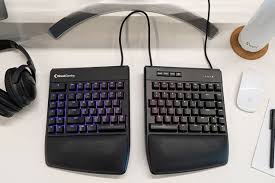
1. Split keyboard
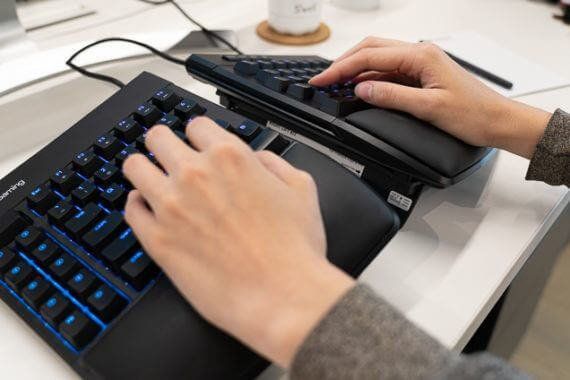
2. Tented keyboard
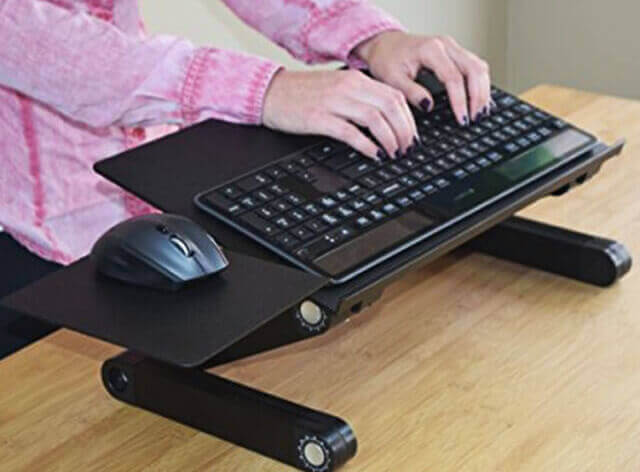
3. Negative incline keyboard
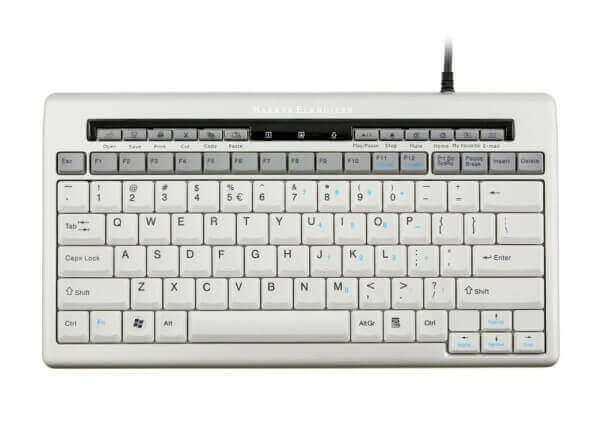
4. Compact keyboard
Why Choosing a Carpal Tunnel Keyboard Is a Smart Decision
You’re making the right decision to solve your hand pain issues by first changing your workstation -- right now. And a carpal tunnel keyboard is an excellent way to start.
Sadly, there are thousands of people who wished they did the same thing, but it was too late for them. They underwent
carpal tunnel surgery and extensive
recovery and rehabilitation simply because they delayed nipping their hand pain problem in the bud.
Summary
A carpal tunnel keyboard is a good workstation modification to help control the hand pain and numbness of carpal tunnel syndrome. There are several features to look for, depending on what your needs are.
About Dr. Zannakis