What Activities Cause Carpal Tunnel? 6 Common Risk Factors

From Dr. Z - Carpal tunnel syndrome specialist

using a grip trainer

The hand activities most likely to cause carpal tunnel symptoms involve repetition, force, vibration, awkward wrist positions, or prolonged static loading. The greatest risk occurs when several factors happen together—such as forcefully gripping while repeatedly bending the wrist. Reducing grip force, keeping your wrists neutral, and taking short recovery breaks can significantly reduce stress on the median nerve.

Can everyday hand activities cause carpal tunnel syndrome? In many cases, no single motion is responsible. Carpal tunnel syndrome develops when pressure builds around the median nerve inside the wrist, and several medical, anatomical, and activity-related factors can contribute.

However, certain hand activities repeatedly stress the flexor tendons that pass through the carpal tunnel. Over time, this can increase pressure within the tunnel and aggravate the median nerve, particularly in people who are already susceptible.

The six activities discussed below combine repetitive motion, gripping force, awkward wrist posture, vibration, heavy loading, or prolonged static muscle contraction. Learning to recognize these patterns can help you modify them before occasional discomfort progresses to persistent numbness, tingling, pain, or weakness.

What Activities Cause Carpal Tunnel?

The six hand activities most likely to cause or aggravate carpal tunnel syndrome are rapid repetitive finger movements, forceful gripping or pinching, prolonged bent-wrist positions, vibrating tools, heavy lifting with wrist deviation, and prolonged holding of objects. The greatest risk occurs when force and repetition are combined.

People Also Ask

What activity is most likely to cause carpal tunnel?

Activities combining repetitive finger motion with forceful gripping create the highest risk because they increase stress on the flexor tendons and median nerve.

Can typing cause carpal tunnel syndrome?

Typing alone has not been proven to cause every case of carpal tunnel syndrome, but long periods of typing combined with poor wrist posture and few breaks can aggravate symptoms.

Does gripping make carpal tunnel worse?

Yes. Forceful or prolonged gripping increases tendon loading inside the carpal tunnel and may worsen median nerve compression.

Can holding a phone cause carpal tunnel?

Holding a phone for long periods creates a static load on the hand and wrist that may aggravate existing carpal tunnel symptoms.

Can vibrating tools damage the median nerve?

Yes. Long-term exposure to vibrating tools is associated with both carpal tunnel syndrome and Hand-Arm Vibration Syndrome (HAVS).

How Severe Is Your Carpal Tunnel?

Repeated hand stress can gradually progress from occasional tingling to nighttime numbness, weakness, and loss of hand function. Dr. Z's free assessments can help determine whether your symptoms are consistent with carpal tunnel syndrome and how advanced they may be.

Which Activities Can Cause Carpal Tunnel?

Carpal tunnel syndrome occurs when pressure builds around the median nerve as it passes through the wrist. While work and hobbies do not explain every case, certain biomechanical stresses can significantly increase your risk or aggravate existing symptoms.

The six hand activities discussed below place the greatest cumulative stress on the median nerve and surrounding flexor tendons. The combination of repetition, force, awkward wrist posture, and prolonged exposure creates the highest risk.


1. Rapid and Repetitive Finger Movements

typing on a keyboard

Rapid, repetitive finger movements are one of the most common activities associated with carpal tunnel syndrome. Every time you flex your fingers, the flexor tendons slide through the carpal tunnel beside the median nerve. Repeating this motion for hours can irritate the tendons and increase pressure inside the tunnel.


Repetition becomes especially problematic when combined with force, poor wrist posture, or few rest breaks. Short recovery periods throughout the day help reduce cumulative stress.


Common examples include:

  • Typing and data entry
  • Computer gaming
  • Piano and guitar playing
  • Assembly line work
  • Small-parts assembly
  • Pharmacy dispensing
  • Postal sorting
  • Transcription
  • Graphic design and computer programming

Taking a 30- to 60-second micro-break each hour, relaxing your hands, and keeping your wrists in a neutral position can significantly reduce tendon stress over time.

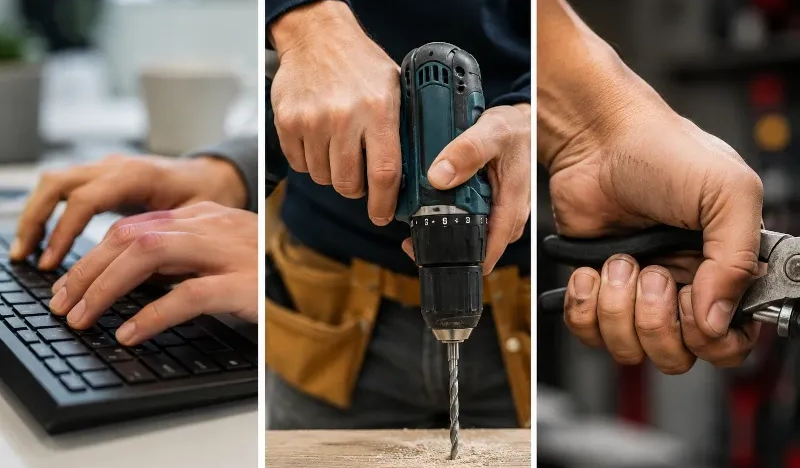
2. Forceful Gripping or Pinching

using a garden shear

Forceful gripping and pinching place high loads on the tendons that move your fingers and thumb. Every time you squeeze a tool or pinch an object tightly, those tendons pull through the carpal tunnel, increasing friction and pressure around the median nerve.


The combination of force and repetition creates one of the highest risks for developing carpal tunnel syndrome. Using ergonomic tools and reducing grip force whenever possible can greatly decrease stress on your hand and wrist.


Common examples include:

  • Pliers, wrenches, and screwdrivers
  • Construction work
  • Mechanics
  • Electricians
  • Plumbers
  • Dental professionals
  • Hair stylists
  • Cashiers
  • Garden pruning
  • Sewing and garment work

Whenever possible, use tools with larger handles, avoid gripping harder than necessary, and alternate demanding tasks throughout the day to give your hands time to recover.

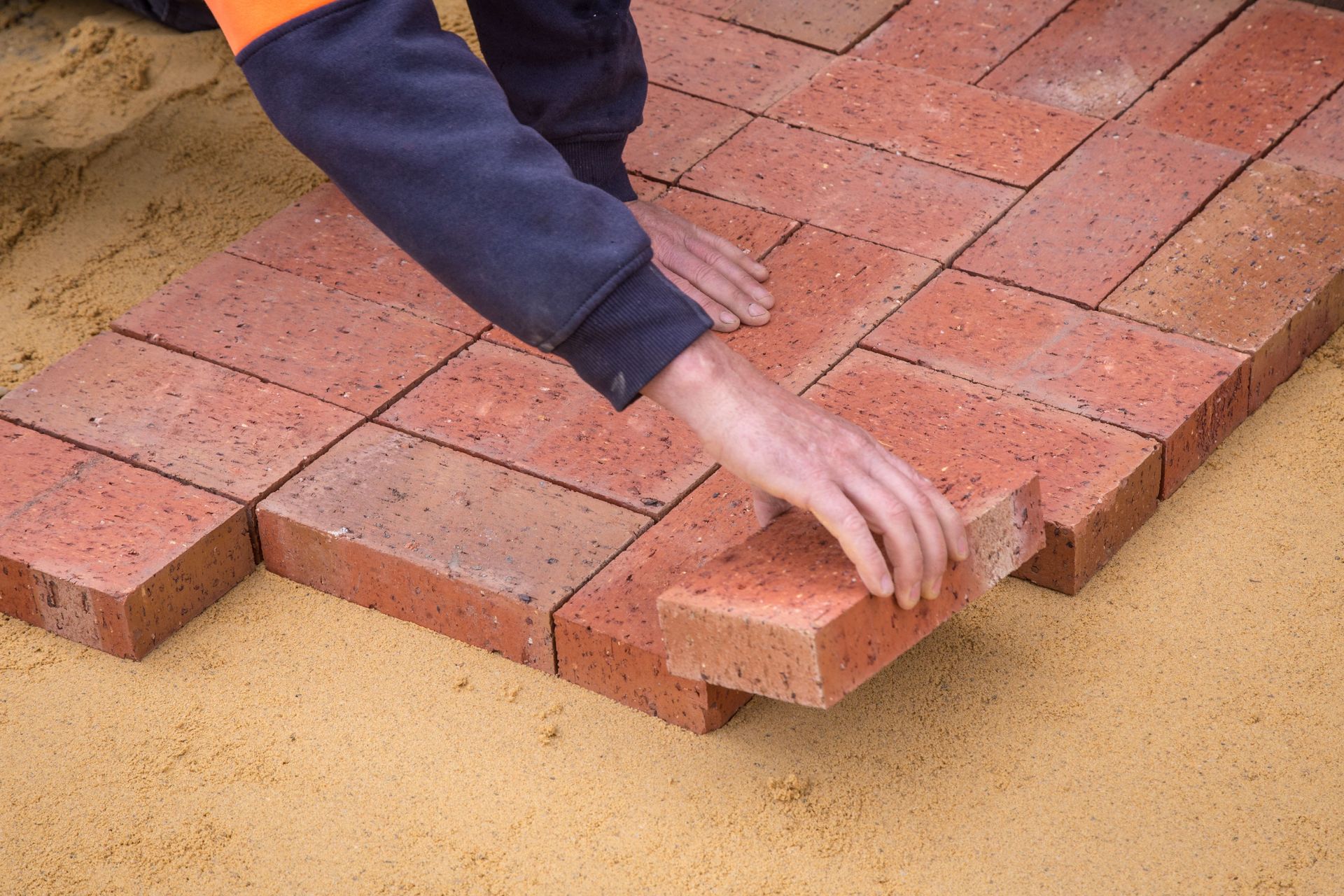
3. Sustained Bent-Wrist Positions

push-ups

Keeping your wrist bent forward (flexion) or backward (extension) for long periods increases pressure inside the carpal tunnel. This reduces the available space for the median nerve and places additional stress on the finger flexor tendons. Even without repetitive motion, maintaining an awkward wrist position can eventually trigger symptoms.


Activities are especially risky when the wrist remains bent while force is also being applied.


Common examples include:

  • Push-ups
  • Weight lifting
  • Drywall installation
  • Ceiling work
  • Massage therapy
  • Plumbing
  • HVAC repair
  • Baking
  • Motorcycle riding
  • Bricklaying

Whenever possible, keep your wrist in a neutral, straight position. Even small changes in wrist angle can significantly reduce pressure on the median nerve.

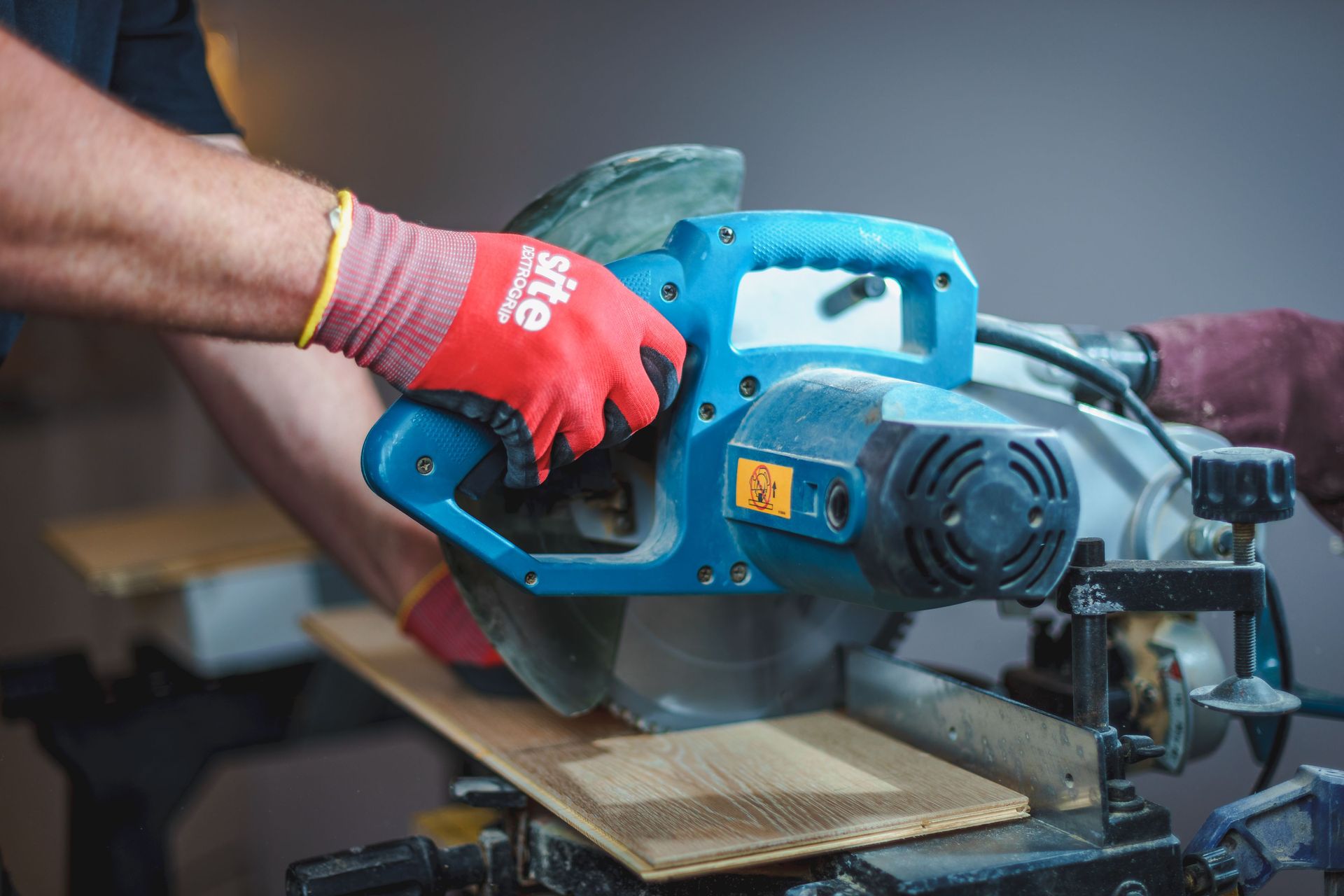
4. Exposure to Vibrating Tools

electric saw

Regular use of vibrating hand tools is one of the few occupational exposures directly linked to carpal tunnel syndrome. Vibration can irritate the median nerve, reduce blood flow, and increase stress on the tendons and surrounding tissues. Long-term exposure may also contribute to Hand-Arm Vibration Syndrome (HAVS), a separate condition that can cause permanent nerve and blood vessel damage.


The longer and more frequently vibrating tools are used, the greater the potential risk.


Common examples include:

  • Jackhammers
  • Power drills
  • Grinders
  • Chainsaws
  • Sanders
  • Concrete cutters
  • Road construction equipment
  • Lawn maintenance equipment
  • Heavy machinery
  • Woodworking tools

If vibration cannot be avoided, wear anti-vibration gloves when appropriate, maintain your equipment properly, and take frequent breaks to reduce cumulative exposure.

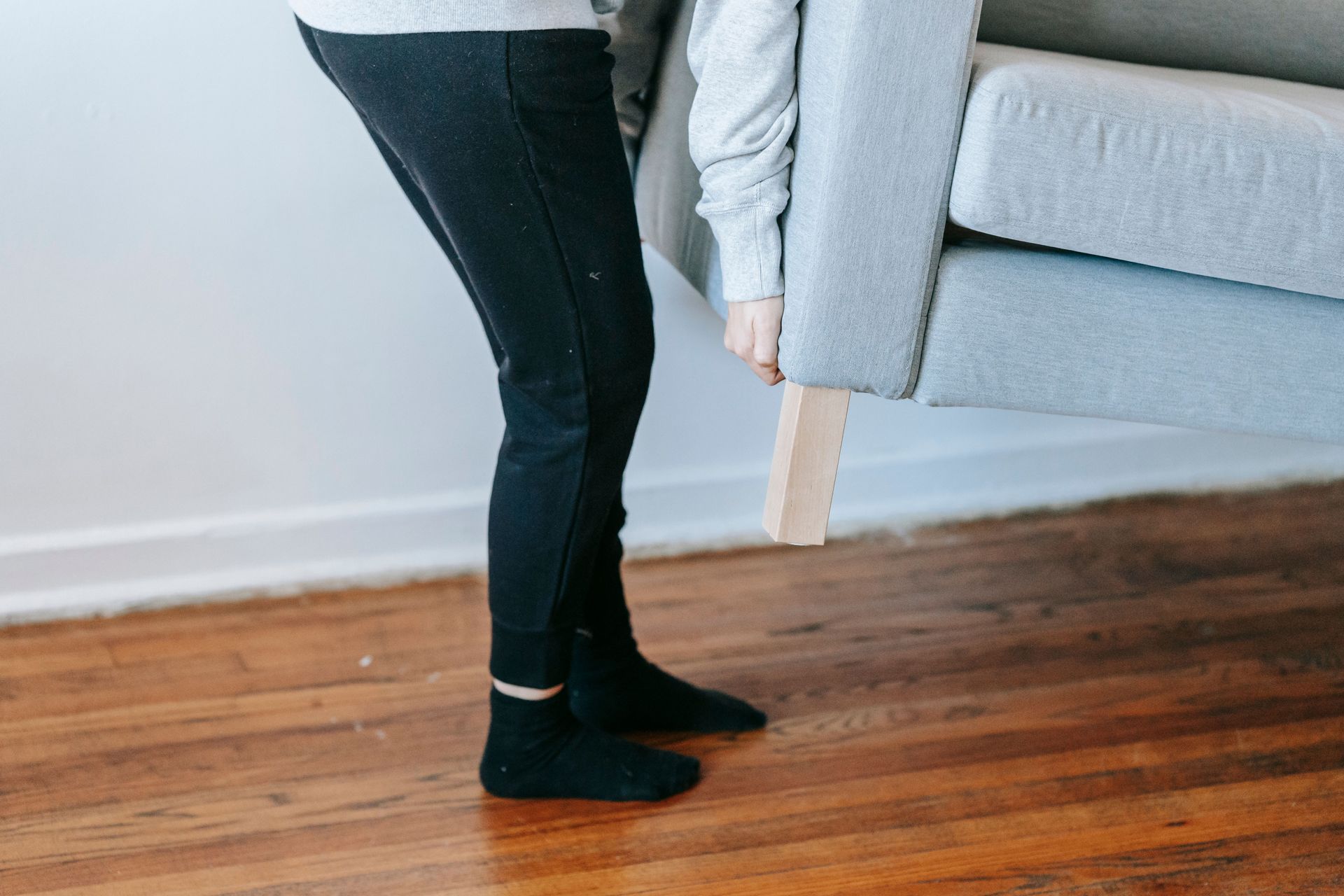
5. Heavy Lifting, Pushing, or Pulling with Wrist Deviation

lifting a couch

Lifting, pushing, or pulling heavy loads places much greater stress on your wrists when they are bent sideways instead of remaining straight. This position, called wrist deviation, increases pressure inside the carpal tunnel while forcing the finger flexor tendons to work harder.


The risk is greatest when heavy loads are handled repeatedly throughout the day or combined with forceful gripping.


Common examples include:

  • Moving furniture
  • Warehouse work
  • Loading or unloading trucks
  • Construction work
  • Landscaping
  • Farming
  • Material handling
  • Grocery stocking
  • Pushing heavy carts
  • Pulling loaded equipment

Whenever possible, keep your wrists straight while lifting, use your larger arm and shoulder muscles, and use lifting aids or team lifting for heavier loads.

6. Prolonged Holding of Objects

hands on a steering wheel

Holding an object continuously may seem harmless, but it creates a static load on the muscles and tendons of the hand. Unlike repetitive motion, static loading means your muscles remain contracted without a chance to relax, which can reduce circulation and increase tendon fatigue over time.


Symptoms are more likely to develop when the object is held tightly or the wrist remains bent for extended periods.


Common examples include:

  • Holding a smartphone
  • Driving with a tight grip on the steering wheel
  • Holding a book or tablet
  • Carrying grocery bags
  • Holding a paint roller
  • Carrying heavy tools
  • Using a vacuum cleaner
  • Holding a camera
  • Operating machinery controls
  • Holding a garden hose

Whenever possible, change your grip frequently, switch hands when practical, and briefly relax your fingers every few minutes. Even short breaks can reduce cumulative stress on the tendons and median nerve.

Key Takeaways

  • Repetition combined with force creates the highest risk for developing carpal tunnel syndrome.
  • Keep your wrists in a neutral position whenever possible to reduce pressure on the median nerve.
  • Reduce gripping force by using ergonomic tools and larger handles.
  • Limit vibration exposure and take regular micro-breaks throughout the day.
  • Alternate demanding tasks instead of repeating the same hand motion continuously.
  • Persistent numbness, tingling, nighttime symptoms, or hand weakness should be evaluated early before permanent nerve damage develops.

Summary

The hand activities most likely to contribute to carpal tunnel syndrome are rapid and repetitive finger movements, forceful gripping or pinching, prolonged bent-wrist positions, exposure to vibrating tools, heavy lifting with the wrist deviated, and prolonged static gripping. While these activities do not guarantee that carpal tunnel syndrome will develop, they can significantly increase stress on the median nerve—especially when several risk factors occur together.

The good news is that many of these risks are preventable. Maintaining good wrist posture, reducing grip force, taking regular breaks, and recognizing symptoms early can help protect your hands and reduce the likelihood of developing more severe nerve compression.

Protect your hands before symptoms become permanent.

If your work or hobbies require repetitive hand use, you may not be able to eliminate these activities—but you can perform them more safely. Small ergonomic changes made today, such as improving wrist position, reducing grip force, and taking brief recovery breaks, may help prevent years of unnecessary pain, numbness, and loss of hand function.

woman takes a finger stretching break

About Dr. Maik Zannakis

Dr. Maik Zannakis is Medical Director of CarpalRx and a soft-tissue injury specialist with more than two decades of experience evaluating and treating musculoskeletal disorders. He has authored more than 120 medical articles covering carpal tunnel syndrome, repetitive stress injuries, nerve compression disorders, ergonomics, rehabilitation, and evidence-based non-surgical treatments.

His goal is to help patients understand why carpal tunnel syndrome develops, recognize symptoms early, and choose effective conservative treatments before permanent median nerve damage occurs.

Learn more about Dr. Zannakis on our About Us page.


Medical References

Government & Medical Organizations

Peer-Reviewed Research

Patient Education & Complementary Therapies

Additional Patient Resources