The best way to treat carpal tunnel syndrome is with night bracing, rest, stretching, and myofascial release massage to reduce tendon inflammation and nerve pressure.
If you’re wondering how to treat carpal tunnel syndrome, the good news is that most cases improve without surgery. The key is not just relieving pain—but fixing the underlying problem: inflamed, adhesion-covered tendons that compress the median nerve. While medications may offer temporary relief, the most effective treatment approach uses targeted therapies like night bracing, rest, stretching exercises, and myofascial release massage to restore normal tendon movement and eliminate symptoms at the source.
The most effective ways to treat carpal tunnel syndrome without surgery include:
- Night bracing to keep the wrist in a neutral position
- Rest and activity modification to reduce strain
- Stretching exercises to improve tendon movement
- Myofascial release massage to break adhesions and reduce swelling
These treatments reduce inflammation, relieve pressure on the median nerve, and often eliminate carpal tunnel symptoms without surgery.
People Also Ask
What is the fastest way to treat carpal tunnel syndrome?
Myofascial release massage is often the fastest and most effective treatment because it breaks tendon adhesions and reduces pressure on the median nerve.
Can carpal tunnel syndrome be treated without surgery?
Yes. Most cases improve with non-surgical treatments like night bracing, rest, stretching exercises, and consistent massage therapy.
How long does it take to heal carpal tunnel syndrome?
Many people notice improvement within 2–4 weeks with consistent treatment, though more severe cases may take longer.
What makes carpal tunnel syndrome worse?
Repetitive stress, gripping, poor posture, wrist bending at night, and improper bracing can all worsen symptoms.
1. Pain Medicines: Temporary Relief Only
Many people first reach for over-the-counter pain medicines such as ibuprofen (Advil, Motrin), naproxen (Aleve),
or
acetaminophen (Tylenol). These anti-inflammatory drugs can dull the pain and help you sleep, but the relief is temporary.
They do not repair the irritated tendons or reduce the internal pressure inside the carpal tunnel. That’s why symptoms return once the medicine wears off.
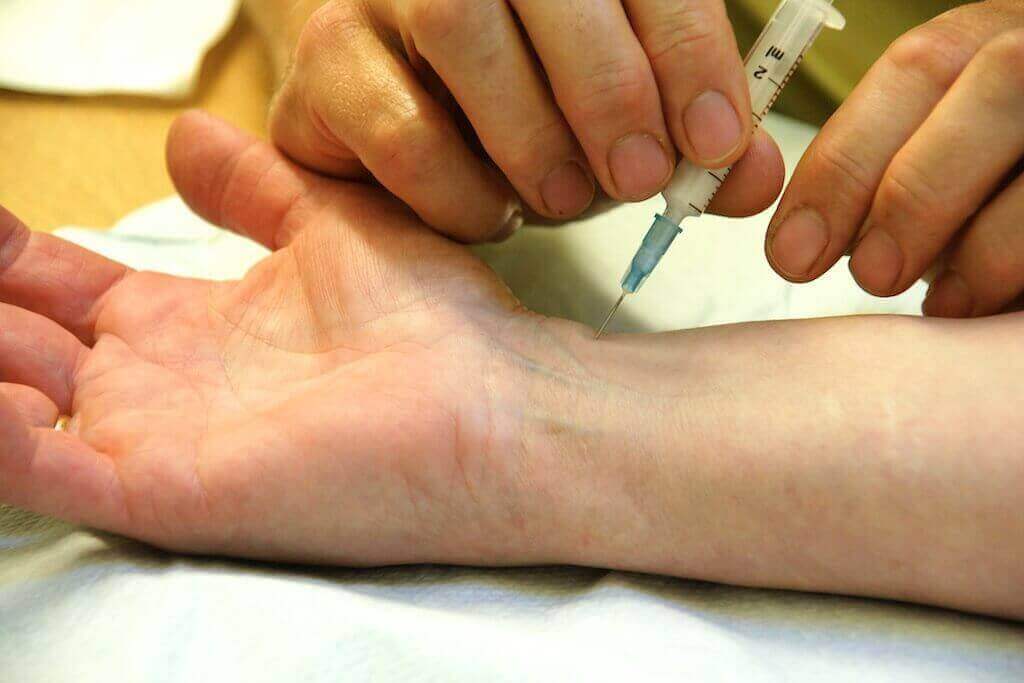
Steroid Injections
Cortisone shots reduce inflammation quickly, and some people choose them for fast relief. However:
- Relief is temporary
- Only 3–4 lifetime injections are recommended
- Side effects include nerve damage, tissue thinning, infection, tendon rupture,
osteoporosis, and weight gain
Therefore, steroid injections are a
short term treatment, and never a long-term solution.
NSAID Risks
The FDA warns that NSAIDs like ibuprofen (Advil, Motrin) and naproxen (Aleve) can increase the risk of:
- Heart attack or stroke
- Stomach bleeding or ulcers
- Kidney damage
- Allergic reactions
They should
never
be used daily for weeks to treat carpal tunnel symptoms.
2. The Nonsurgical Formula to Treat Carpal Tunnel Safely and Effectively
The most successful non-surgical approach uses four natural therapies:
- Night Bracing
- Hand Rest
- Stretching Exercises
- Myofascial Massage
This combination treats the underlying cause of carpal tunnel syndrome:
tendon adhesions → inflammation → swelling → nerve compression.
1. Bracing (Night Only)
A night brace keeps the wrist in a neutral position and prevents the unconscious bending that worsens median nerve compression.
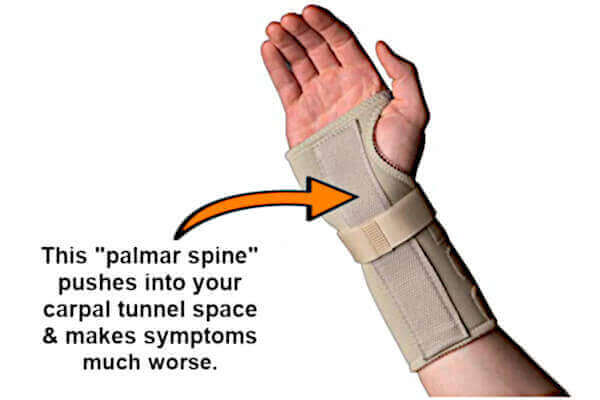
Only Use a
Certified Carpal Tunnel Brace:
- A proper brace must
NOT contain a
palmar metal spine.
- A palmar spine presses into the wrist joint when you sleep, increasing internal pressure and worsening symptoms.
Never Wear a Brace While Working:
Daytime bracing forces your hand to fight against the brace while performing tasks, adding stress and worsening inflammation.
2. Hand Rest and Activity Modification
Rest is the body’s most natural healing tool. For carpal tunnel:
- Take periodic breaks during work
- Reduce or avoid the activity that caused the problem
- Modify hand positions, grips, and posture
- Avoid long periods of typing or gripping without breaks
Poor posture—especially when working at a
computer keyboard—transmits mechanical stresses from the shoulders and arms directly into the wrist.
3. Stretching Exercises
Stretching lubricates the flexor tendons, breaks down small adhesions, and reduces swelling.
The best exercises are listed here. They:
- Require
no equipment
- Take
30 seconds
- Should be done
every 30–45 minutes
- Work within
2–4 weeks
These exercises restore normal tendon gliding, which prevents inflammation from returning.
4. Myofascial Massage (Most Effective Treatment)
When patients ask for the most powerful natural therapy, the answer is always
myofascial release massage.
This specialized technique:
- Breaks apart tendon adhesions safely
- Drains excess fluid from the wrist
- Reduces pressure on the median nerve
- Restores smooth tendon movement
- Eliminates inflammation at its source
It is the only non-surgical method that simultaneously treats the cause and the symptoms. Myofascial release typically resolves symptoms completely in
4 weeks, even in advanced cases.
Why You Can’t Do It Yourself
The kneading and circular motions must be applied at specific angles, requiring a helper—or a device designed to replicate the technique—such as the
CarpalRx.
Conclusion
Pain medicines may offer short-term relief, but they do not fix carpal tunnel syndrome. The only way to eliminate it safely and thoroughly is to treat the tendon adhesions responsible for swelling and nerve compression. Night bracing, hand rest, stretching exercises, and especially myofascial release massage form the most effective and reliable non-surgical treatment plan.
When applied consistently, these natural remedies can eliminate symptoms entirely—often within a matter of weeks.
FAQs
1. Can carpal tunnel syndrome heal on its own?
Carpal tunnel syndrome can improve on its own in the earliest stages, especially if the activity causing the strain is stopped immediately. However, once tendon adhesions form, symptoms usually persist or slowly worsen. Using night bracing, stretching, rest, and especially myofascial massage gives you a much higher chance of full recovery.
2. How long does it take for carpal tunnel to go away?
Most people begin to feel improvement within 2–4 weeks of consistent treatment, especially with myofascial release and stretching. Severe cases may take longer, but can still improve without surgery when treatment directly targets tendon adhesions. The key is consistent daily therapy.
3. Should I stop working if I have carpal tunnel?
You usually don’t need to stop working entirely, but you do need to modify your activities. This includes taking regular breaks, improving posture, reducing gripping or typing intensity, and avoiding repetitive motions without rest. Continuing the same high-stress tasks without modifications can delay healing.
4. Does untreated carpal tunnel cause permanent damage?
Yes. Chronic pressure on the median nerve can eventually cause permanent sensory loss, weakness, and muscle atrophy in the thumb area. Early treatment prevents nerve damage and restores normal function, which is why intervention should never be delayed.
5. Will I need surgery if conservative treatments don’t work?
Surgery is a last resort and is only recommended when all conservative treatments—including bracing, stretching, rest, and myofascial massage—have failed. Most people, including those with severe symptoms, improve without needing surgery. Surgery is reserved for rare cases where significant nerve damage continues despite proper therapy.
6. Does wearing a brace all day help or hurt?
Wearing a brace at night is very helpful, but wearing a brace while working can actually worsen symptoms. Your wrist has to fight against the brace during movement, increasing internal pressure on tendons and the median nerve. Night-only bracing keeps the joint neutral without adding daytime stress.
7. Can exercise make carpal tunnel worse?
The wrong exercises can worsen symptoms, especially forceful gripping or strengthening early in the healing process. However, gentle tendon-gliding and stretching exercises done every 30–45 minutes are safe and highly effective. These help remove adhesions and improve tendon lubrication without increasing stress.
8. Is myofascial massage really effective for carpal tunnel?
Yes. Myofascial release is one of the most effective non-surgical treatments because it breaks up tendon adhesions and drains excess fluid from the wrist joint. This directly reduces pressure on the median nerve. Most patients experience significant relief within 2–4 weeks when performed consistently.
About Dr. Zannakis