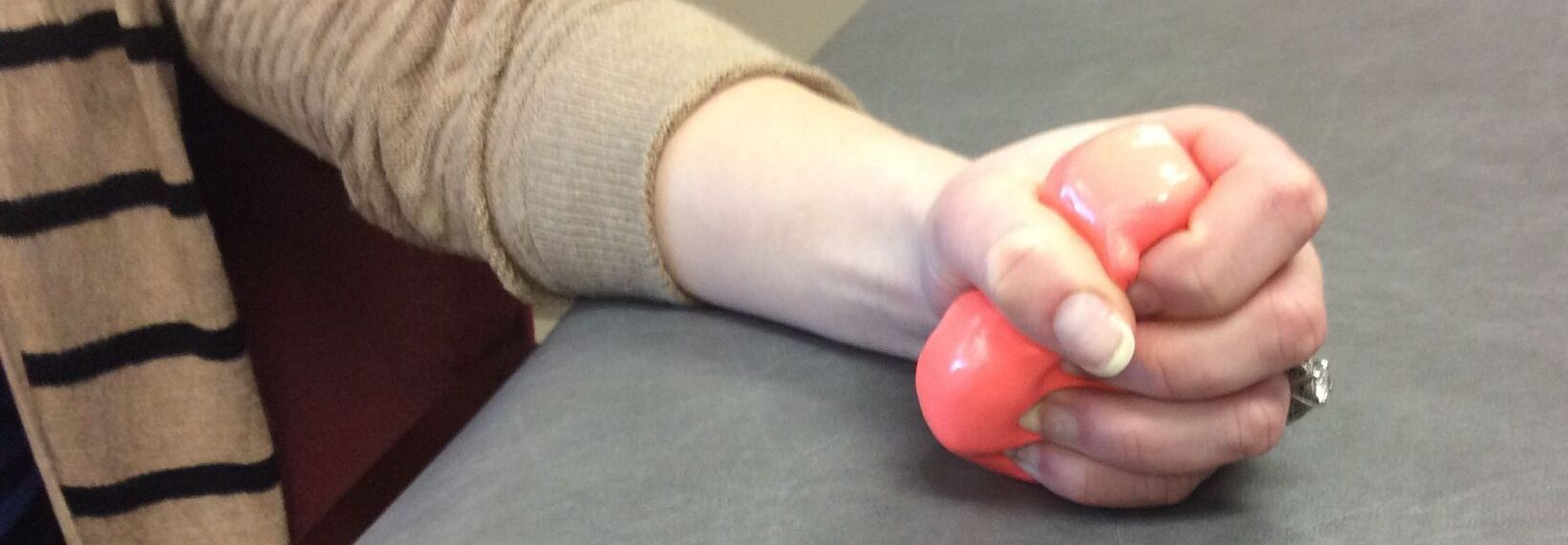
Carpal tunnel surgery recovery instructions usually include hand elevation, ice therapy, protecting the incision, gentle movement, pain control, rehabilitation exercises, and avoiding excessive strain during healing.
Carpal tunnel surgery recovery instructions are extremely important because proper aftercare strongly influences healing, pain levels, hand strength, and long-term surgical success.
Many patients focus heavily on the surgery itself but pay less attention to recovery. In reality, the days and weeks after surgery often determine how comfortable and successful the final outcome becomes.
Fortunately, most recovery instructions are straightforward and easy to follow once patients understand what to expect during each stage of healing.
Carpal tunnel surgery recovery instructions commonly include:
- keeping the hand elevated
- using ice to reduce swelling
- protecting the incision
- keeping bandages dry
- taking pain medication properly
- performing gentle exercises
- avoiding excessive strain
- following rehabilitation instructions carefully
Proper recovery care may help reduce pain, swelling, stiffness, and long-term complications after surgery.
Considering Carpal Tunnel Surgery?
Before surgery, it helps to understand how advanced your symptoms actually are and whether conservative treatment options were fully explored.
Check Your Symptoms
Test Your Severity
People Also Ask
How long does recovery take after carpal tunnel surgery?
Recovery varies greatly between patients. Some improve within weeks, while others require several months before strength and sensation improve fully.
Should you keep your hand elevated after surgery?
Yes. Elevating the hand helps reduce swelling, throbbing, stiffness, and post-operative pain.
Can you shower after carpal tunnel surgery?
Most surgeons allow showering if the bandages remain completely dry and protected.
What are warning signs after surgery?
Excessive swelling, drainage, worsening pain, fever, redness, or cold fingers may indicate complications requiring medical attention.
After surgery, many patients feel relieved that the numbness, tingling, burning, or
electric shock sensations are finally improving.
However, post-surgical pain, swelling, stiffness, and tenderness are very common during the first several days.
The degree of discomfort often depends on:
Open surgery generally causes more pain and longer recovery than
endoscopic surgery.
What To Do
During the first several days after surgery, patients are commonly instructed to:
- keep the hand elevated above heart level,
- apply ice for approximately 15 minutes every 2 waking hours,
- protect the incision and bandages,
- keep the surgical area dry,
- perform gentle finger movements,
- walk regularly,
- and take
pain medication exactly as directed.
Ask your doctor about resuming blood thinners like aspirin,
Coumadin or
Plavix.
If anesthesia causes nausea or stomach upset, bland foods are often recommended during the first 1-2 days.
Many surgeons also recommend sleeping with the hand elevated to reduce swelling, throbbing, and stiffness overnight.
Most patients can continue many routine activities such as grooming, eating, and toileting as tolerated, but excessive hand use should still be avoided.
What NOT To Do
Patients are commonly instructed to avoid:
- letting the hand hang below heart level,
- excessive gripping,
- forceful hand exercise,
- bumping the incision,
- soaking the hand,
- getting bandages wet,
- and returning to strenuous activity too early.
Overusing the hand too aggressively during early recovery may increase swelling, pain, stiffness, and scar formation.
Although gentle movement is encouraged, aggressive exercise too early may slow healing rather than help it.
Important Reminder
Most patients heal faster when they remain lightly active instead of staying in bed all day. Gentle walking and movement usually improve circulation and recovery.
Recovery 1-2 Weeks Later
During this period, many patients return to the surgeon for stitch removal.
Bandages are often replaced with a splint or brace designed to protect the wrist from excessive bending and accidental injury.
The surgical
pain after carpal tunnel surgery usually improves significantly during this stage, and many patients transition to over-the-counter pain medications.
Early rehabilitation often begins during this period and may include:
- gentle stretching,
- range-of-motion exercises,
- tendon gliding exercises,
- scar massage,
- and gradual strengthening.
Some surgeons also recommend gentle
scar massage using vitamin E oil or moisturizing lotion to reduce scar tightness and improve tissue mobility.
Recovery Beyond 2 Weeks
Longer-term recovery focuses heavily on rehabilitation and restoring hand function.
Patients who participate actively in rehabilitation often experience
better long-term outcomes than those who avoid therapy.
Rehabilitation may include:
- strengthening exercises,
- dexterity training,
- grip exercises,
- mobility training,
- scar management,
- and ergonomic modification.
Return to work depends on many factors, including:
Patients performing repetitive or forceful manual labor often require longer recovery periods before returning safely to work.
Grip strength often recovers more slowly than pain relief or numbness improvement.
Possible Problems & Warning Signs
Patients should contact their surgeon if they develop:
- excessive swelling,
- severe pain,
- drainage,
- fever,
- red streaking,
- bleeding,
- worsening numbness,
- cold fingers,
- or increasing weakness.
Possible
complications after surgery include:
- infection,
- excessive scar tissue,
- persistent pain,
- stiffness,
- nerve irritation,
- prolonged weakness,
- and continued symptoms.
Some patients continue experiencing symptoms long after surgery or eventually require revision surgery.
Important Reminder
Persistent numbness or weakness after surgery does not always mean the operation failed. Severe nerve compression before surgery may require many months for improvement.
Summary
Carpal tunnel surgery recovery instructions are designed to reduce swelling, protect the surgical site, control pain, and improve long-term healing.
Most recovery plans include:
- elevation,
- icing,
- protecting the incision,
- gentle exercises,
- rehabilitation,
- and avoiding excessive strain.
Patients who follow instructions carefully often experience smoother recovery and better long-term hand function.
Key Takeaways
- Hand elevation helps reduce swelling and pain after surgery.
- Ice therapy commonly reduces early swelling and discomfort.
- Gentle movement is encouraged, but overuse should be avoided.
- Keeping the incision dry is extremely important early on.
- Rehabilitation exercises often improve long-term outcomes.
- Open surgery generally causes longer recovery than endoscopic surgery.
- Patients should monitor closely for signs of infection or complications.
About Dr. Zannakis