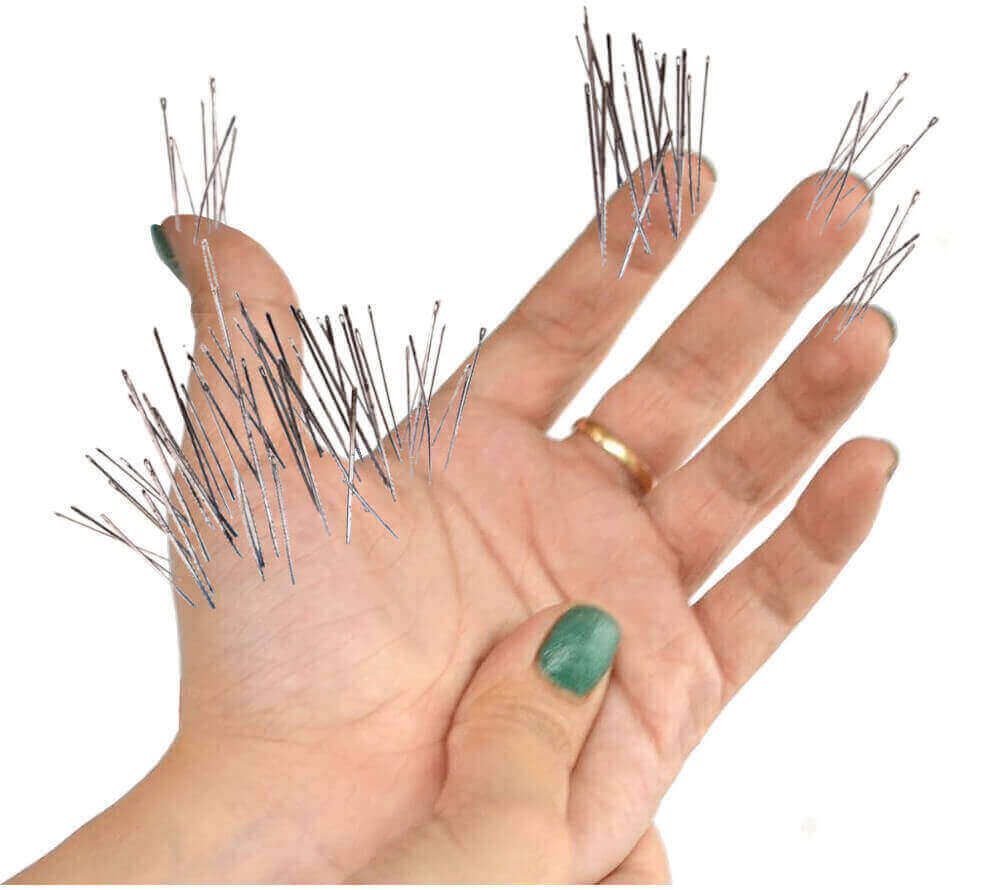
The ultimate guide to carpal tunnel symptoms explains how numbness, tingling, and pain develop from tendon swelling that compresses the median nerve, progressing from mild nighttime symptoms to severe hand weakness and loss of function.
This ultimate guide to carpal tunnel symptoms will help you understand exactly what your hands are trying to tell you—and why those signals matter.
Most people first notice mild numbness or tingling at night. But what starts as a small annoyance can quickly progress into persistent pain, weakness, and loss of hand function if ignored.
The key is recognizing symptoms early, understanding how they evolve, and knowing what each stage means for your treatment options. In this guide, you’ll learn how carpal tunnel symptoms develop, how they progress, and what you can do before they become permanent.
The ultimate guide to carpal tunnel symptoms
shows that early signs include nighttime numbness, tingling, and mild pain in the thumb, index, and middle fingers. As the condition progresses, symptoms worsen to include daytime pain, weakness, clumsiness, and eventually loss of hand function due to median nerve compression.
Find Out If You Have Carpal Tunnel — And How Severe It Is
Start with the symptom self-test, then take the severity quiz to better understand what your hand symptoms may mean.
People Also Ask
What are the first symptoms of carpal tunnel syndrome?
Early symptoms include tingling, numbness, or mild pain in the thumb, index, and middle fingers. These symptoms often appear at night or after repetitive hand use.
How do carpal tunnel symptoms progress over time?
Symptoms typically begin with occasional tingling and progress to persistent numbness, weakness, and loss of hand function if untreated.
What triggers carpal tunnel symptoms?
Triggers include repetitive hand movements, prolonged gripping, poor wrist positioning, and activities that increase pressure inside the wrist.
Can carpal tunnel symptoms go away without surgery?
Yes. Many cases improve with non-surgical treatments such as rest, night bracing, stretching, and myofascial release therapy.
How Carpal Tunnel Symptoms Develop
Carpal tunnel syndrome begins with a problem most people never consider:
tendon dysfunction inside the wrist.
Inside your wrist is a narrow passageway called the carpal tunnel. Running through it are flexor tendons and the median nerve. When these tendons become irritated, they begin to:
- Lose smooth movement (lubrication)
- Develop microscopic
adhesions
- Become inflamed and swollen
As swelling increases, pressure builds inside this confined space—eventually compressing the
median nerve.
👉 This pressure is what produces
all carpal tunnel symptoms.
What Carpal Tunnel Symptoms Feel Like (Mild or Early Stage)
In the beginning, symptoms are usually mild and easy to ignore.
Common early symptoms include:
- Numbness in the fingers
- Tingling (“pins and needles”)
- Mild pain or
burning sensation
- Itching or “puffy” feeling
- Shooting electric shocks
- Occasional hand weakness
- Finger clumsiness
These symptoms:
- Usually affect the
thumb,
index, and
middle fingers
- Never affect the little finger
(important diagnostic clue)
- Often occur
at night, waking you from sleep
This early stage can last 1–3 months, but it often progresses faster if ignored.
Moderate Stage Carpal Tunnel Symptoms
As the condition worsens, symptoms become more intense—and more disruptive.
What changes in the moderate stage:
- Symptoms occur
during the day, not just at night
- Pain becomes sharper or “crushing”
- Numbness lasts longer and spreads
- Hands feel weak or clumsy
- You may start
dropping objects
Many patients describe this stage as:
- “Maddening”
- “Unbearable”
- “Constant”
At this point, function begins to decline:
- Reduced grip strength
- Poor dexterity (buttoning shirts, picking up coins)
- Increased sensitivity—or loss of sensation
This stage typically lasts
3–9 months.
Severe & Advanced Carpal Tunnel Symptoms
When left untreated, carpal tunnel syndrome reaches its most dangerous stage.
Key signs of severe progression:
- Loss of temperature sensation
- Severe weakness in the hand
- Difficulty gripping or pinching
- Constant numbness
Advanced (end-stage) symptoms:
- Muscle wasting at the base of the thumb (thenar atrophy)
- Loss of thumb function
- Permanent nerve damage
Ironically, pain may decrease—but this is
not improvement.
It means the nerve is no longer able to send signals.
👉 At this stage, recovery becomes extremely difficult.
Don’t Guess About Hand Numbness or Tingling
Carpal tunnel can worsen over time if the median nerve stays compressed. Use these two quick checks to see whether your symptoms fit carpal tunnel — and how advanced they may be.
Why Carpal Tunnel Symptoms Get Worse Over Time
Carpal tunnel symptoms usually don’t stay the same—they
progress predictably.
That’s because the underlying cause (tendon swelling and adhesions) continues unless treated.
Over time:
- Pressure on the nerve increases
- Blood flow decreases
- Nerve damage accumulates
👉 The longer symptoms persist, the harder they are to reverse.
How to Treat Carpal Tunnel Symptoms (What Actually Works)
Most experts recommend starting with
non-surgical treatments first.
Common non-surgical treatments:
These approaches aim to:
- Reduce tendon inflammation
- Improve tendon movement
- Relieve pressure on the median nerve
👉 Early-stage symptoms often respond quickly to just one treatment.
👉 Moderate to severe symptoms usually require a combination.
When Surgery Is Considered
Surgery is typically reserved for:
- Severe symptoms
- Progressive weakness
- Cases unresponsive to conservative treatment
However:
That’s why most guidelines recommend
non-surgical therapy first.
Key Takeaways
- Carpal tunnel symptoms start mild but
progress over time
- Early signs often appear
at night
- Moderate symptoms affect
daily function
- Severe symptoms can cause
permanent damage
- Early treatment dramatically improves outcomes
Conclusion
This ultimate guide to carpal tunnel symptoms shows that what begins as mild numbness or tingling can evolve into serious, long-term hand dysfunction if ignored.
All symptoms stem from the same root cause:
tendon swelling that compresses the median nerve.
The good news is that when caught early, most people can reverse symptoms and restore normal hand function using the right combination of therapies.
The key is simple:
don’t ignore the warning signs.
About Dr. Zannakis