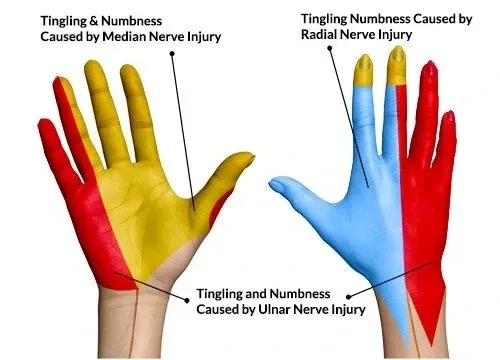
Hands go numb most often due to nerve compression, such as poor sleeping position, carpal tunnel syndrome, or diabetes-related nerve damage.
If your hands are going numb, it’s usually a sign of
nerve compression or irritation. While occasional numbness can happen from something simple—like sleeping in the wrong position—frequent or persistent numbness often points to an underlying condition.
In this guide, you’ll learn the
7 most common reasons your hands go numb, how to tell which one you have, and what you can do to fix it.
Hands go numb most often due to nerve compression or irritation, commonly from poor sleeping position, carpal tunnel syndrome, or diabetes-related nerve damage.
- Often caused by pressure on nerves supplying the hand
- Common triggers include sleeping position and repetitive hand use
- Carpal tunnel syndrome is a leading cause of persistent numbness
- Diabetes can cause nerve damage (neuropathy) leading to numbness
- The timing and location of numbness help identify the cause
Occasional numbness may be harmless, but frequent or worsening symptoms often signal an underlying condition. Identifying the cause early can help prevent long-term nerve damage and guide effective treatment.
Find Out If You Have Carpal Tunnel — And How Severe It Is
Start with the symptom self-test, then take the severity quiz to estimate how advanced your condition may be.
About Your Numbness
Before identifying the cause, it’s important to understand your symptoms. The
pattern of your numbness often reveals what’s behind it.
Ask yourself:
- Is the numbness constant or occasional?
- Does it affect the same fingers or move around?
- Is it worse at certain times, like at night or during activity?
- These answers act as a roadmap. They can quickly point to whether your numbness is caused by something temporary—like a poor sleeping position—or a more serious condition such as carpal tunnel syndrome.
7 Common Reasons
Except for having a
stroke, numb hands alone are usually not life threatening. In most cases, the cause is one of the following 7 conditions—ranging from temporary nerve compression to more serious nerve disorders.
From most to least common:
- Poor sleeping position
- Carpal tunnel syndrome
(Click here to take the self-test)
- Diabetes induced peripheral neuropathy
- Cubital tunnel syndrome
- Thoracic outlet syndrome
- Hand arm vibration syndrome
- Cervical radiculopathy
Less Common Reasons
Reason #1
Poor sleeping position
How to fix a poor sleeping position
- Avoid resting your head on your hand
- Your head’s weight can compress nerves for hours. Use a pillow between your head and hand if needed.
- Keep your wrist in a neutral position
- Wearing a
brace at night can prevent bending that compresses nerves.
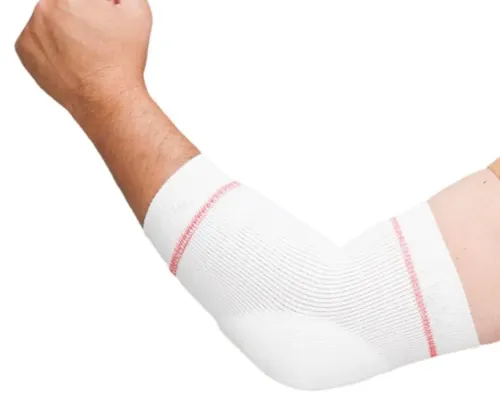
- Protect your elbows while sleeping
- Padding or repositioning can prevent ulnar nerve compression.
- Use a
sleep trainer if needed
- Devices or simple methods (like a tennis ball technique) can help retrain your sleeping position.
Reason #2
Carpal tunnel syndrome
You’re also at high risk of getting carpal tunnel syndrome if you:
How to fix it
The only effective way to relieve carpal tunnel symptoms is to decompress the median nerve.
1. Nonsurgical Decompression
👉 Combining therapies is often most effective.
Don’t Ignore Worsening Hand Symptoms
Persistent numbness, tingling, burning pain, or weakness can signal progressing median nerve compression. These two free tools can help you better understand your symptoms.
2. Steroid Injections
Steroid (corticosteroid)
injections are commonly used to treat carpal tunnel syndrome because they
reduce inflammation in the tendons, which decreases pressure on the median nerve and temporarily relieves symptoms.
However, their effectiveness is limited. They work in only about
45% of cases%
and when they do, relief typically lasts
just 3–6 months. In fact, over
60% of patients require repeat injections.
Because of potential side effects, steroid injections can only be used a limited number of times. For this reason, they are considered a
short-term or temporary solution, not a long-term fix.
3. Surgical Decompression
Carpal tunnel release surgery cuts the ligament compressing the nerve.
Surgery is typically reserved for
advanced or persistent cases.
Reason #3
Diabetes-induced peripheral neuropathy
How to fix it
While diabetic neuropathy cannot be reversed, it can be managed by:
Common Reason #4
Cubital tunnel syndrome
How to fix it
Exercises
Stretching and strengthening exercises can relieve pressure and restore function within
6–8 weeks.
Surgery
If symptoms persist, surgery may be required to release the ulnar nerve. Like carpal tunnel release surgery,
cubital
tunnel release surgery can employ the open or endoscopic techniques, each with their own advantages and disadvantages.
Common Reason #5
Thoracic outlet syndrome
How to fix it
Common Reason #6
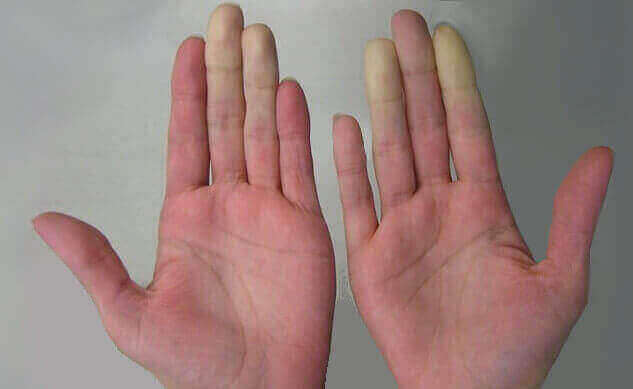
Hand arm vibration syndrome
How to fix it
Hand arm vibration syndrome a chronic and progressive disorder which takes years of vibrating tool use to fully develop. To keep it from occurring:
⚠️ Advanced HAVS is
not reversible,
making prevention critical.
Common Reason #7
Cervical radiculopathy
How to fix it
For most people, cervical radiculopathy will respond quite well to
conservative treatment. That means:
Most cases improve without surgery.
Summary
Hands going numb are most often caused by nerve compression, with poor sleeping position, carpal tunnel syndrome, and diabetes being the most common causes. Some causes are temporary and easily fixed, while others require ongoing treatment or medical care. Identifying the correct cause is the key to choosing the right solution.
FAQs
Can you have more than one cause of numb hands?
Yes. It’s possible to have multiple conditions at the same time, and one condition can make another worse.
Who decides the type of carpal tunnel surgery?
You and your doctor discuss options, but the surgeon typically recommends the procedure based on experience.
Can hand arm vibration syndrome be reversed?
No. Once advanced, it cannot be reversed—only prevented from worsening.
About Dr. Zannakis