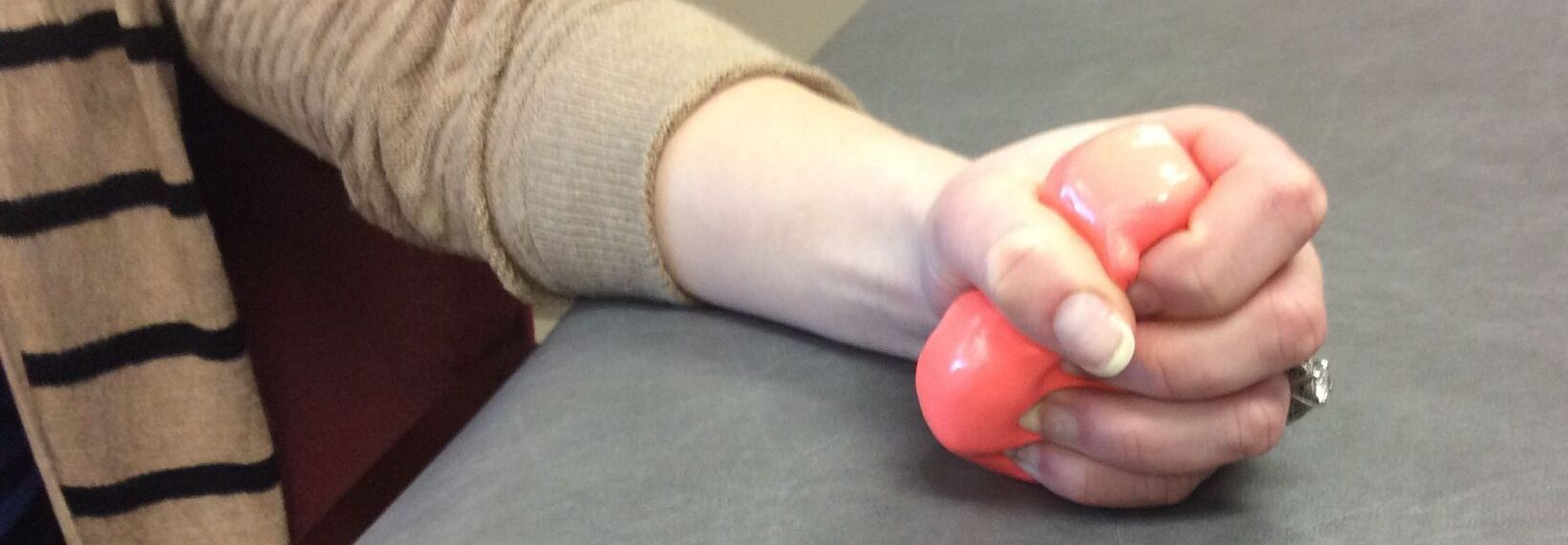
Carpal tunnel after surgery usually improves gradually over weeks to months. Early recovery focuses on controlling pain, protecting the incision, restoring movement, and rebuilding hand strength through rehabilitation.
Carpal tunnel after surgery feels very different than before surgery. Before the operation, most patients struggle with numbness, tingling, burning, weakness, or severe nighttime pain caused by median nerve compression.
After surgery, many of those symptoms begin improving. However, surgical pain, swelling, stiffness, and weakness temporarily replace them during recovery. However, surgical pain, swelling, stiffness, and weakness temporarily replace them during the recovery process.
Fortunately, understanding the recovery process may help reduce anxiety and improve long-term recovery.
Carpal tunnel after surgery commonly involves:
- post-surgical pain and swelling
- temporary stiffness and weakness
- bandages and wrist bracing
- hand elevation and icing
- gradual rehabilitation exercises
- returning to work slowly
- scar management and therapy
- monitoring for complications
Most patients improve gradually over weeks or months, depending on the surgical technique, nerve damage, rehabilitation, and overall healing ability.
Considering Carpal Tunnel Surgery?
Before surgery, it helps to understand how advanced your symptoms actually are and whether conservative treatment options were fully explored.
Check Your Symptoms
Test Your Severity
People Also Ask
How long does pain last after carpal tunnel surgery?
Most surgical pain improves substantially within several days, although tenderness and weakness may persist much longer.
How long before symptoms improve after surgery?
Some patients improve within days or weeks, while severe nerve compression may require several months for recovery.
Why does my hand still feel numb after surgery?
Persistent numbness may occur because severely compressed nerves often heal slowly after surgery.
Can symptoms return after surgery?
Yes. Some patients experience persistent or recurrent symptoms months or years after surgery.
Carpal Tunnel After Surgery: The Recovery Room
Immediately after surgery, many patients feel relieved that the operation is finally over.
Unlike the anxiety patients often feel before surgery, the recovery room is usually calmer and more relaxed. Many patients remain temporarily numb because
anesthesia has not fully worn off yet.
The most comfortable post-operative patients often receive regional anesthesia or a nerve block rather than full general anesthesia.
With regional anesthesia:
- the hand remains numb,
- pain is delayed temporarily,
- and nausea is often reduced.
Many patients also receive mild sedation to help them relax during surgery.
Carpal Tunnel After Surgery: Procedures
Once surgery is completed, the surgeon places bandages over the incision to help protect the wound and reduce infection risk.
Patients remain in the recovery room while nurses monitor:
- blood pressure,
- breathing,
- bleeding,
- pain levels,
- and reactions to anesthesia.
Once patients are stable enough to walk safely and their vital signs remain normal, they are discharged home with instructions and a responsible adult.
Carpal Tunnel After Surgery: Recovery At Home
Many patients expect numbness and pain to disappear immediately after surgery. However, the first several days at home are often uncomfortable because surgical pain gradually increases as anesthesia wears off.
Pain medication usually becomes necessary during this period.
Patients are commonly instructed to:
- keep the hand elevated,
- sleep with the hand elevated on pillows,
- protect the incision,
- avoid bumping the hand,
- and keep bandages dry.
Elevation helps reduce:
- swelling,
- throbbing,
- pain,
- and stiffness.
Keeping the bandages dry is extremely important because moisture increases infection risk.
Important Reminder
Accidentally ripping stitches by bumping the hand is very common during the first several days after surgery. Protecting the incision carefully may prevent unnecessary pain and delayed healing.
As Pain Begins To Improve
For many patients, surgical pain improves substantially within approximately 2-4 days.
As pain decreases, patients often transition from prescription pain medication to over-the-counter medications such as Tylenol or Advil.
Gentle finger movement and basic exercises are commonly encouraged during this stage to reduce stiffness and prevent tendon adhesions.
However, overusing the hand too aggressively may worsen swelling and delay healing.
Returning To Work
Return-to-work timing varies greatly depending on:
Some patients undergoing endoscopic surgery may return to lighter work within 1-2 weeks if hand demands remain minimal.
However, patients who undergo open surgery or perform repetitive manual labor often require
much longer recovery before returning safely to work.
Removing Bandages & Bracing
Many patients return to the surgeon approximately 10 days after surgery for stitch and bandage removal.
Bandages are often replaced with a splint or brace designed to protect the wrist and surgical site during healing.
Depending on the surgical technique:
- endoscopic surgery often requires shorter bracing,
- while open surgery commonly requires longer protection.
Some patients continue nighttime bracing for several additional weeks or months after surgery.
Once the incision heals adequately, formal
hand therapy and rehabilitation often begin.
Important Reminder
Severe nerve compression before surgery may require many months for numbness and strength to improve fully.
Are Your Symptoms Gone?
When surgery is successful, numbness, tingling, burning, and pain gradually improve over time.
Some patients improve rapidly, while others recover much more slowly depending on:
- nerve damage severity,
- symptom duration before surgery,
- rehabilitation quality,
- and individual healing ability.
Grip strength often recovers more slowly than numbness or pain relief. Unfortunately, some patients
continue experiencing symptoms long after surgery or eventually experience recurrent symptoms.
Long-term patient satisfaction after surgery is
lower than many patients expect.
Hand Rehabilitation & Therapy
Hand rehabilitation after surgery may continue for months.
The goal of therapy is to restore:
- strength,
- dexterity,
- mobility,
- tendon gliding,
- and grip function.
Recovery speed depends on many factors including:
- surgical technique,
- age,
- smoking,
- chronic illness,
- overall health,
- and commitment to rehabilitation.
Patients who participate actively in therapy generally experience
better long-term results.
Effect Of Complications
Any surgical complication may prolong recovery substantially. Possible
complications include:
- infection,
- abnormal bleeding,
- nerve injury,
- tendon injury,
- prolonged weakness,
- excessive pain,
- scar tenderness,
- incomplete symptom relief,
- and
return of symptoms.
The more severe the complication, the longer and more difficult recovery usually becomes.
Summary
Carpal tunnel after surgery usually improves gradually over weeks or months depending on nerve damage, rehabilitation, surgical technique, and overall healing ability.
Early recovery focuses on:
- controlling pain,
- protecting the incision,
- reducing swelling,
- and restoring movement.
Longer-term recovery focuses on rehabilitation, strengthening, dexterity, and restoring hand function.
Although many patients improve substantially, some continue experiencing symptoms long after surgery.
Key Takeaways
- Surgical pain commonly worsens temporarily as anesthesia wears off.
- Elevating the hand helps reduce swelling and throbbing.
- Keeping bandages dry is extremely important after surgery.
- Gentle movement usually helps reduce stiffness and adhesions.
- Open surgery generally causes longer recovery than endoscopic surgery.
- Hand therapy often improves long-term recovery and strength.
- Surgical complications may significantly prolong healing.
About Dr. Zannakis