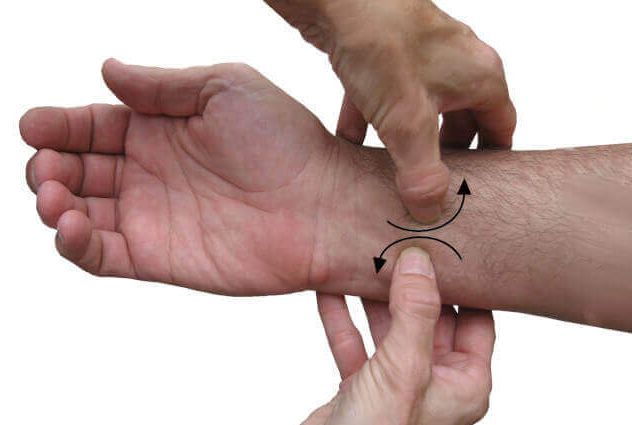
How to treat carpal tunnel syndrome depends largely on symptom severity. Most patients improve using combinations of night bracing, stretching exercises, rest, and myofascial release massage.
Knowing how to treat carpal tunnel syndrome properly is one of the most important factors determining whether symptoms improve or continue worsening over time.
Many people assume there is one single treatment that works best for carpal tunnel syndrome. In reality, successful treatment usually requires combining several therapies consistently over many weeks.
Fortunately, many patients improve without surgery when conservative treatments are started early and used consistently.
How do you treat carpal tunnel syndrome?
Carpal tunnel syndrome is commonly treated using combinations of night bracing, stretching exercises, rest, activity modification, and myofascial release massage. Severe symptoms usually require more aggressive and consistent treatment.
✋ Could Carpal Tunnel Syndrome Be Causing Your Symptoms?
Frequent numbness, tingling, burning, weakness, or nighttime hand pain may signal worsening median nerve compression.
Check Your Symptoms
Test Your Severity
People Also Ask
What is the best way to treat carpal tunnel syndrome?
Most experts recommend combining several treatments including nighttime bracing, stretching exercises, rest, ergonomic changes, and massage therapy rather than relying on only one treatment alone.
Can carpal tunnel syndrome improve without surgery?
Many mild and moderate cases improve without surgery when conservative treatments are used consistently and early enough.
Do wrist braces really help carpal tunnel syndrome?
Night wrist braces may help reduce pressure on the median nerve by keeping the wrist in a neutral position during sleep.
How long does it take for carpal tunnel treatment to work?
Many patients begin noticing improvement within several weeks, although severe symptoms may require much longer treatment.
What Is B.R.E.M. Therapy?
One of the most effective ways to treat carpal tunnel syndrome is by combining several therapies together instead of relying on only one treatment.
A commonly used approach is called
B.R.E.M. which stands for:
- Brace,
- Rest,
- Exercise,
- Massage.
Together, these therapies aim to:
In general:
- mild symptoms require less aggressive treatment,
- while
severe symptoms require much more consistent and intensive therapy.
One important thing to understand is that carpal tunnel syndrome usually develops slowly over months or years. Because of this, improvement also takes time and consistency.
Best Treatments By Symptom Severity
| Severity |
Brace |
Rest |
Exercise |
Massage |
| Mild |
Night only |
Mini-breaks |
3-4x daily |
Optional |
| Moderate |
Night only |
Hourly breaks |
Hourly |
Daily |
| Severe |
Strict nightly |
Avoid strain |
Every 30-60 min |
Required |
Mild Symptoms
Brace:
Night only
Rest:
Mini-breaks
Exercise:
3-4x daily
Massage:
Optional
Moderate Symptoms
Brace:
Night only
Rest:
Hourly breaks
Exercise:
Hourly
Massage:
Daily
Severe Symptoms
Brace:
Strict nightly
Rest:
Avoid strain
Exercise:
Every 30-60 min
Massage:
Required
Treating Mild Symptoms
Mild carpal tunnel syndrome often responds very well to conservative treatment when therapy begins early.
Recommended treatments for mild symptoms commonly include:
Night bracing helps prevent the wrist from bending excessively during sleep, reducing pressure on the median nerve.
Doctors generally recommend avoiding restrictive daytime bracing because immobilizing the wrist during activity may actually increase stress inside the wrist joint.
Stretching exercises are especially important because they help improve
tendon mobility and circulation inside the carpal tunnel.
Many patients with mild symptoms improve significantly when exercises are performed:
- 3-4 times daily,
- consistently,
- over several weeks.
Treating Moderate Symptoms
Moderate carpal tunnel syndrome usually requires
more aggressive and consistent treatment than mild symptoms.
At this stage, symptoms often begin interfering with:
Treatment for moderate symptoms commonly includes:
- nighttime bracing,
- hourly stretching exercises,
- activity modification,
- regular mini-breaks,
- and daily myofascial release massage.
Massage therapy becomes increasingly important at this stage because tendon swelling and restrictions are usually more advanced.
For best results, moderate symptoms often require:
- morning and evening treatment,
- consistent stretching,
- and aggressive reduction of repetitive strain.
Severe symptoms usually indicate more advanced nerve compression and require much more aggressive treatment.
Treating Severe Symptoms
Severe carpal tunnel syndrome requires the
most aggressive and consistent treatment approach.
At this stage, symptoms may include:
- constant numbness,
- burning,
- pain,
- weakness,
- clumsiness,
- electric shocks,
- nighttime waking,
- and reduced hand function.
Treatment often requires:
- strict nighttime bracing,
- frequent stretching exercises,
- aggressive activity modification,
- and professionally applied or highly effective
myofascial release massage.
During the day for treating severe symptoms, many experts recommend stretching exercises approximately every:
Patients with severe symptoms may also need to:
- temporarily reduce stressful hand activity,
- modify work duties,
- or avoid repetitive wrist strain entirely.
Because severe symptoms carry higher risk of permanent nerve damage, early and aggressive treatment becomes extremely important.
Important Reminders
Successful treatment of carpal tunnel syndrome usually requires patience and consistency.
Many patients fail treatment because they:
- stop therapy too early,
- use only one treatment,
- wear the wrong brace,
- or continue repetitive strain without modification.
Most conservative treatments work best when:
- combined together,
- performed daily,
- and continued for several weeks.
Important safety reminders include:
Severe symptoms that continue worsening should be medically evaluated because long-term nerve compression may eventually cause permanent nerve damage.
Summary
How you treat carpal tunnel syndrome depends greatly on symptom severity. Mild symptoms may improve with nighttime bracing and stretching, while severe symptoms usually require aggressive combinations of therapies.
Many experts recommend combining:
- bracing,
- rest,
- stretching exercises,
- massage therapy,
- and activity modification
to reduce pressure on the median nerve and restore hand function.
Early treatment generally produces the best outcomes and may help many patients avoid surgery altogether.
Key Takeaways
- Carpal tunnel treatment depends heavily on symptom severity.
- Combining multiple treatments often works better than relying on only one therapy.
- Night bracing may help reduce pressure on the median nerve.
- Stretching exercises improve tendon mobility and circulation.
- Myofascial release massage may help reduce tendon restrictions.
- Severe symptoms require aggressive and consistent treatment.
- Early treatment may help prevent permanent nerve damage.
About Dr. Zannakis