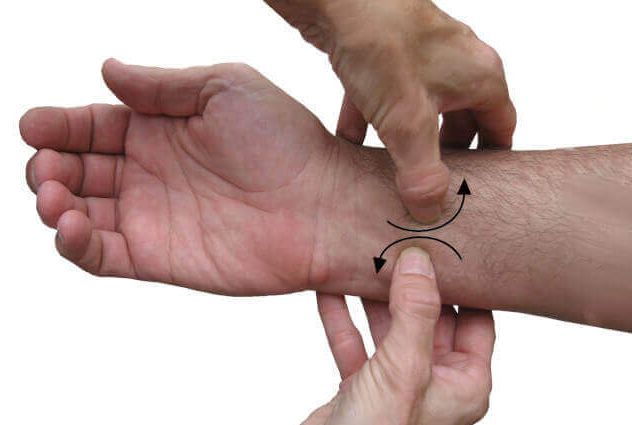
Help with carpal tunnel begins by reducing pressure on the median nerve and allowing inflamed tendons to heal. The most effective conservative treatments combine night bracing, activity modification, stretching exercises, and myofascial release massage performed consistently over several weeks.
If you're looking for help with carpal tunnel syndrome, you probably want one thing: relief from the numbness, tingling, pain, and weakness affecting your hand.
The good news is that many people improve without surgery. The most effective approach is not relying on a single treatment, but combining several proven conservative therapies that work together to reduce pressure inside the carpal tunnel.
What is the best help for carpal tunnel syndrome?
The best help for carpal tunnel syndrome usually combines night bracing, activity modification, stretching exercises, and myofascial release massage. These treatments work together to reduce tendon inflammation, relieve pressure on the median nerve, and improve symptoms without surgery in many patients.
People Also Ask
- What is the fastest way to get help with carpal tunnel?
- Can carpal tunnel improve without surgery?
- Does wearing a wrist brace really help?
- What treatment works best for severe carpal tunnel syndrome?
The Goal Of Treatment
All effective treatments for carpal tunnel syndrome share one objective: reducing pressure on the
median nerve.
That pressure develops because the flexor tendons inside the carpal tunnel become irritated and swollen. As swelling increases, the space available for the median nerve decreases, leading to numbness, tingling, pain, and weakness.
The most successful conservative treatments focus on reducing this swelling while improving tendon movement and promoting healing.
Rather than relying on a single therapy, many specialists recommend combining several approaches that complement one another.
They are:
- Night Bracing
- Rest
- Stretching Exercises
- Myofascial Massage
Together, these four steps form the foundation of conservative care for many patients.
Consistency Matters More Than Speed
Carpal tunnel syndrome usually develops over months or years. While many patients begin noticing improvement within several weeks, lasting relief typically requires performing all four treatment steps consistently every day.
Step 1: Wear A Night Brace
Night bracing is one of the simplest and most effective ways to
get help with carpal tunnel syndrome.
Many people unknowingly sleep with their wrists bent. This increases pressure inside the carpal tunnel and often explains why symptoms become worse at night or first thing in the morning.
A
properly designed night brace keeps your wrist in a neutral position while you sleep, reducing pressure on the median nerve and giving irritated tissues time to recover.
For the best results:
- wear the brace only while sleeping
- keep the wrist in a neutral position
- wear it every night
- continue using it until symptoms have resolved
Not all braces are equally effective.
A brace designed specifically for carpal tunnel syndrome should keep the wrist straight without placing pressure directly over the carpal tunnel.
Many pharmacy wrist braces contain a rigid metal support (palmar stay) on the palm side of the wrist. If this support presses directly over the carpal tunnel, it can actually increase pressure on the median nerve. If you're using a generic brace, remove the palmar stay if possible or choose a brace specifically designed for carpal tunnel syndrome.
Equally important, avoid wearing a wrist brace while working. A brace can restrict normal wrist movement, causing you to fight against it while performing tasks. That added muscle effort may actually increase stress on the wrist.
Night Only
For most patients, wrist braces are intended for sleeping—not for work. Wearing a brace during repetitive daytime activities may increase muscle fatigue and place additional stress on the wrist.
Step 2: Rest & Activity Modification
Rest does not mean avoiding all use of your hand. Instead, it means reducing the activities that repeatedly irritate the flexor tendons and increase pressure inside the carpal tunnel.
Many everyday activities can aggravate symptoms, including:
- prolonged keyboard use
- repetitive gripping
- forceful pinching
- twisting with tools
- sustained wrist bending
- vibrating hand tools
- repetitive gaming or texting
The goal is to reduce tendon irritation while allowing the wrist to continue moving normally.
Helpful strategies include:
- taking short breaks every 30-60 minutes
- alternating hands whenever possible
- improving workstation ergonomics
- changing hand position during repetitive tasks
- using larger-handled tools when available
Many small ergonomic adjustments
repeated throughout the day can significantly reduce stress on the wrist over time—often more than taking one long break.
Step 3: Stretching Exercises
Targeted
stretching exercises are one of the most effective conservative treatments for improving tendon mobility and reducing pressure inside the carpal tunnel.
When flexor tendons glide smoothly, they create less friction and place less pressure on the median nerve. Many therapists recommend performing several simple stretches throughout the day rather than completing one long exercise session.
The four core stretches commonly recommended include:
- Prayer Stretch
- Stop Stretch
- Finger Interlace Stretch
- Thumb Stretch
These exercises help:
- improve tendon gliding
- reduce stiffness
- increase flexibility
- improve circulation
- reduce pressure inside the carpal tunnel
For best results, perform these stretches every hour during repetitive hand activities.
Short Sessions Work Best
Stretching for one or two minutes several times each day is generally more effective than performing one long stretching session and then stopping for the rest of the day.
Step 4: Myofascial Release Massage
The final approach to getting help with carpal tunnel is
myofascial release massage. Unlike a relaxing spa massage, this technique is designed to improve the movement of the flexor tendons and surrounding connective tissue.
As tendons repeatedly move through the wrist, they can develop tiny adhesions that increase friction and contribute to inflammation. Myofascial release massage helps loosen these adhesions so the tendons glide more freely.
Potential benefits include:
- reducing tendon adhesions
- improving tendon mobility
- decreasing swelling
- increasing circulation
- reducing pressure on the median nerve
- improving flexibility of the wrist and forearm
Improved circulation also delivers more oxygen and nutrients to healing tissues, supporting the body's natural repair process.
Because tendon healing takes time, massage should be performed consistently for several weeks. Many patients find that daily treatment produces better results than occasional sessions.
Professional myofascial therapy can be very effective, but daily office visits are impractical for most patients. For this reason, many patients choose
home-based treatment methods that allow them to perform therapy every day.
Each Step Supports The Others
Night bracing, activity modification, stretching, and myofascial release massage work best when used together. Relying on only one treatment usually produces slower and less complete improvement than combining all four approaches.
What Results Can You Expect?
Most patients begin noticing gradual improvement rather than an overnight change.
Early improvements often include:
- fewer nighttime awakenings
- less tingling
- reduced hand pain
- less morning stiffness
- improved comfort during daily activities
Most patients notice these changes gradually over several weeks rather than all at once.
As healing continues, many patients also notice:
- stronger grip strength
- improved dexterity
- fewer episodes of numbness
- less hand fatigue
- better overall hand function
Recovery time depends on several factors, including how severe your symptoms are, how long you've had them, and how consistently you follow your treatment plan.
Many people with mild carpal tunnel syndrome begin noticing improvement within
4-6 weeks. More advanced cases often require
6-8 weeks or longer before significant improvement occurs.
The earlier treatment begins, the better. Patients who address symptoms in the mild stage generally recover faster and more completely than those who wait until nerve damage has progressed.
It's also important to have realistic expectations. Carpal tunnel syndrome rarely disappears overnight. Most patients experience gradual, steady improvement as inflammation decreases and the median nerve recovers.
Perhaps the single most important factor in long-term success is consistency. Patients who perform all four therapies every day typically achieve better results than those who skip treatments or use them only occasionally.
Still Looking For Help With Carpal Tunnel?
Knowing how severe your symptoms are can help you choose the most appropriate treatment before considering injections or surgery.
Check Your Symptoms
Test Your Severity
Summary
Finding help with carpal tunnel syndrome usually requires more than a single treatment. The best results often come from combining several conservative therapies that reduce pressure on the median nerve and allow irritated tissues to heal.
The four therapy components are
Bracing, Rest, Exercise, and Massage. Together, they
address the major factors that contribute to carpal tunnel syndrome. When performed consistently, these treatments can significantly reduce pain, numbness, tingling, and weakness while improving hand function.
Although recovery takes time, many patients experience meaningful improvement within several weeks and continue progressing with consistent daily therapy.
Key Takeaways
- Daily consistency is one of the strongest predictors of long-term success.
- Help with carpal tunnel syndrome usually requires a combination of treatments rather than a single remedy.
- The four components of therapy are Bracing, Rest, Exercise, and Massage.
- Night bracing helps keep the wrist in a neutral position while sleeping.
- Activity modification reduces repetitive stress on irritated tendons.
- Stretching exercises improve tendon mobility and flexibility.
- Myofascial release massage helps reduce adhesions and improve circulation.
- Mild cases often improve within 4-6 weeks, while more severe cases may require longer treatment.
About Dr. Zannakis