Carpal tunnel home treatment uses lifestyle changes, ergonomic adjustments, and targeted therapy to reduce tendon stress and relieve pressure on the median nerve.
Carpal tunnel syndrome doesn’t usually start overnight—and it rarely improves on its own. In most cases, symptoms worsen because of
repetitive strain, poor wrist positioning, and daily habits that increase pressure inside the wrist.
The good news is that effective relief doesn’t always require surgery.
The most successful approach is a
structured carpal tunnel home treatment plan—one that focuses on how you use your hands throughout the day. When done correctly, this approach reduces tendon inflammation, improves movement, and relieves pressure on the median nerve.
Carpal tunnel home treatment works by reducing tendon stress and relieving pressure on the median nerve through simple lifestyle changes and targeted therapy.
- Improve your environment (workstation, hand positioning)
- Change daily habits that strain your wrists
- Use targeted therapies like bracing, stretching, and massage
- Reduces inflammation and improves tendon movement
- Can relieve symptoms effectively without surgery
The most effective carpal tunnel home treatment combines these three strategies to restore normal wrist mechanics, reduce swelling, and eliminate pressure on the median nerve—often leading to significant relief within weeks.
Find Out If Your Symptoms Are Really Carpal Tunnel
Many hand problems mimic carpal tunnel syndrome. Take our free symptom self-test and severity quiz to better understand what may be causing your numbness, tingling, pain, or weakness.
3 Carpal Tunnel Home Treatment Strategies That Work
These 3 lifestyle changes work together to reduce tendon stress, improve wrist mechanics, and restore normal function over time.
1. Environmental Adjustments (Work, Home, and Activities)
The
National Institutes of Health says your environment plays a major role in either worsening or relieving your symptoms. Small changes can significantly reduce stress on your wrist throughout the day. As a result, symptoms begin to resolve.
At Work
Pay attention to how and when your hands are being stressed at work. Then make the following changes to your work environment.
- Use a
desk setup, not a couch or recliner
- Keep wrists
straight and parallel to the floor, not bent
- Adjust chair height so your
forearms stay level
- Keep your
head upright—avoid looking down
- Use a
vertical mouse to reduce forearm twisting
- Choose an
ergonomic or
split keyboard (keep it flat, not tilted)
- Try
voice-to-text software to reduce typing strain
- Use
soft, thick-grip pens and type with light pressure
At Home
Many daily tasks can
strain your wrists without you realizing it.
- Use
lever-style handles instead of round knobs
- Switch to an
electric can opener
- Use a
rubber strap wrench for jars
- Install
lever or touchless faucets
- Use a
dishwasher instead of hand washing
- Choose
tools with thick, padded grips
- Add
silicone padding to pot and pan handles
- Use
large-handle mugs and cups
- Carry groceries with
shoulder straps, not your hands
Driving tips:
- Wear padded
driving gloves
- Keep hands at
9 and 3 o’clock
- Take breaks to
shake out your hands
At Play
Recreational activities can quietly aggravate symptoms.
- Wear
gel-padded gloves when biking
- Use
wrist straps when weightlifting
- Avoid gripping weights tightly—let the strap hold the load
- Do push-ups using
push-up handles to keep wrists neutral
2. Physical Habits and Lifestyle Changes
Your daily habits determine whether your condition improves—or continues to worsen.
Key habits to adopt:
- Take
frequent breaks (1 minute every 15–20 minutes)
- Avoid:
- Tight gripping
- Repetitive grip-and-release motions
- Vibrating tools
- Heavy lifting
- Bending your wrist excessively
Sleep and Recovery
Nighttime is when symptoms often worsen—but also when healing can happen.
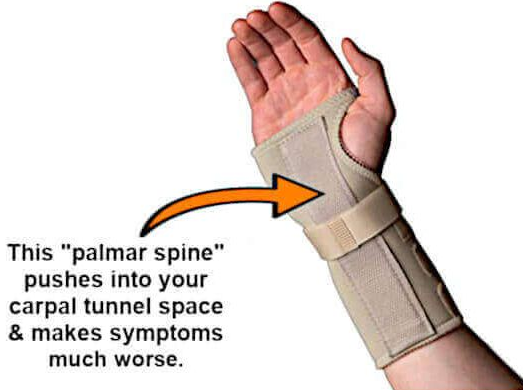
- Wear a
proper carpal tunnel wrist splint at night
(Most pharmacy braces are NOT designed correctly for carpal tunnel) - Warm your hands for 10 minutes before sleep
- Sleep on your
side with your hand supported against your body
Temperature Matters
- Keep hands
warm in cold environments
- Use
fingerless gloves when needed
- Cold muscles and tendons are
more prone to irritation
3. Targeted Therapy for Faster Relief
Lifestyle changes reduce strain—but targeted therapy helps
actively reverse the problem.
Daily Therapy Routine
Pain Management (Short-Term Only)
- NSAIDs (like ibuprofen) may help reduce pain
- However, they do not fix the root problem
- Avoid long-term reliance
Why This Carpal Tunnel Home Treatment Works
Each of these strategies may only provide small improvements on their own.
But together, they:
- Reduce
tendon swelling
- Improve fluid movement in the wrist
- Restore smooth tendon gliding
- Relieve pressure on the median nerve
That’s why a
combined approach consistently delivers better results than any single treatment alone.
Find Out If You Have Carpal Tunnel — And How Severe It Is
Step 1 helps identify whether your symptoms match carpal tunnel syndrome. Step 2 estimates how advanced your condition may be.
Key Takeaway
The most effective carpal tunnel home treatment isn’t one single fix—it’s a system of daily changes.
By improving your environment, correcting your habits, and applying targeted therapy, you can significantly reduce symptoms—and in many cases, avoid more aggressive treatments altogether.
Frequently Asked Questions
What is the best carpal tunnel home treatment?
The best carpal tunnel home treatment uses a combination of ergonomic changes, better daily habits, and targeted therapy. That means reducing wrist strain at work and home, avoiding aggravating movements, wearing a proper night splint, and using massage or stretching exercises to relieve pressure on the median nerve.
Can carpal tunnel syndrome be treated at home without surgery?
Yes, many people can improve carpal tunnel symptoms at home, especially when treatment begins early. A good home program focuses on reducing tendon stress, improving wrist position, using proper splinting at night, and doing targeted therapy consistently.
What lifestyle changes help relieve carpal tunnel symptoms fastest?
The most helpful lifestyle changes are taking regular rest breaks, keeping your wrists in a neutral position, avoiding tight gripping and repetitive strain, keeping your hands warm, and improving how you sleep. These changes reduce irritation inside the wrist and can make other treatments work better.
Do carpal tunnel exercises really help?
Yes, the right exercises can help by improving tendon gliding, reducing stiffness, and easing pressure on the median nerve. But exercises work best when combined with other carpal tunnel home treatment strategies like ergonomic changes, massage, and nighttime wrist support.
About Dr. Zannakis