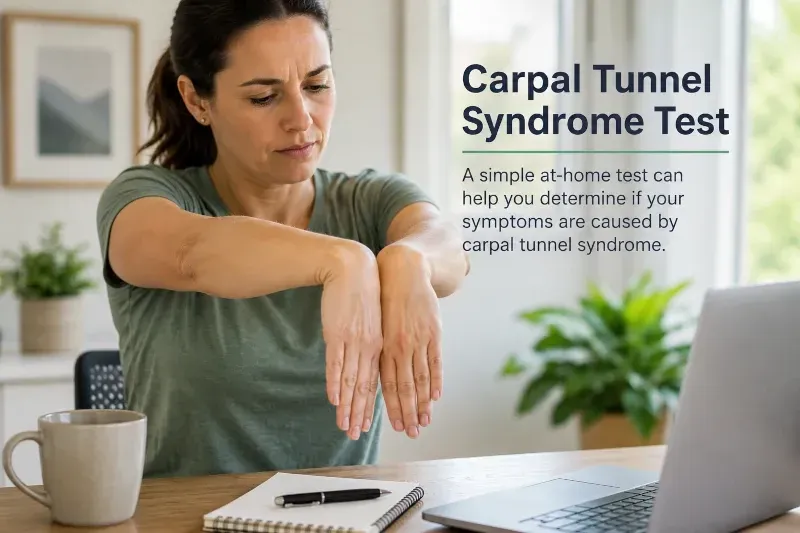
A carpal tunnel syndrome test can help you tell if your hand numbness, tingling, or pain is caused by carpal tunnel syndrome or wrist tendonitis. Simple self-tests like the Phalen, Tinel, and Durkan maneuvers can often identify median nerve compression at home.
If your hands tingle, burn, feel numb, or hurt when you grip objects, type, or sleep, you may be wondering whether you have carpal tunnel syndrome. The problem is that several hand conditions — especially wrist tendonitis — can cause very similar symptoms.
That’s why performing a simple carpal tunnel syndrome test at home can be so helpful. These quick self-tests are designed to reproduce pressure on the median nerve inside the wrist. If they trigger numbness, tingling, pain, or electric shock sensations, there’s a good chance you may have carpal tunnel syndrome rather than tendonitis.
The good news is that these tests take only a few minutes, require no equipment, and can help you decide what to do next before symptoms become more severe.
A carpal tunnel syndrome test helps determine whether your hand pain, numbness, tingling, or weakness is caused by median nerve compression inside the wrist. The most common at-home self-tests are the Phalen test, Tinel test, and Durkan compression test. If these tests reproduce your symptoms, you may have carpal tunnel syndrome rather than wrist tendonitis.
People Also Ask
What is the best carpal tunnel syndrome test at home?
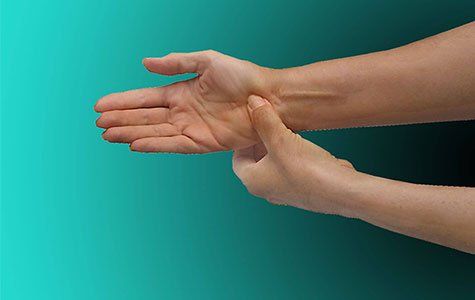
The Phalen, Tinel, and Durkan tests are the most common at-home carpal tunnel syndrome tests. The Durkan compression test is often considered the most accurate because it directly compresses the median nerve inside the wrist.
Can you diagnose carpal tunnel syndrome yourself?
At-home self-tests can strongly suggest carpal tunnel syndrome, especially if they reproduce numbness, tingling, burning, or weakness. However, only a medical professional can officially diagnose the condition.
What does a positive Phalen test mean?
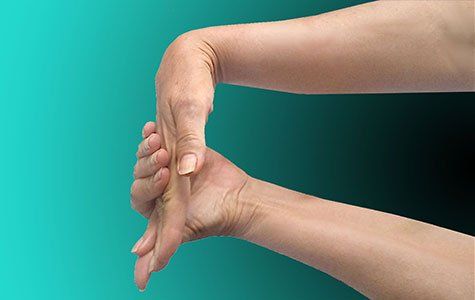
A positive Phalen test means bending the wrist reproduces symptoms like tingling, numbness, pain, or burning sensations. This usually suggests compression of the median nerve inside the carpal tunnel.
How can you tell the difference between carpal tunnel and tendonitis?
Carpal tunnel syndrome usually causes numbness, tingling, nighttime symptoms, and electric shock sensations. Tendonitis more commonly causes localized aching and soreness without major numbness.
What should you do if you test positive for carpal tunnel syndrome?
If your symptoms are reproduced during self-testing, begin conservative treatment early with night bracing, stretching, activity modification, heat therapy, and myofascial release massage. Persistent symptoms should be evaluated by a professional.
What Is a Carpal Tunnel Syndrome Test?
A carpal tunnel syndrome test is a simple maneuver designed to place pressure on the median nerve inside your wrist. If that pressure reproduces symptoms like
pain,
numbness, tingling,
weakness,
burning, or
electric shock sensations, then carpal tunnel syndrome becomes much more likely.
These self-tests are especially useful because
wrist tendonitis and carpal tunnel syndrome often feel very similar. Both conditions can cause aching, pain, weakness, and discomfort in the hand or forearm. But the underlying problem is very different — and so is the proper treatment.
Why Testing Yourself at Home Matters
Many people ignore
early symptoms until the numbness becomes constant or hand weakness develops. But carpal tunnel syndrome often worsens gradually over time, especially if
repetitive hand activity continues.
Testing yourself early can help you:
- Identify symptoms before nerve damage becomes severe
- Distinguish carpal tunnel syndrome from tendonitis
- Begin conservative treatment sooner
- Prevent worsening numbness and weakness
- Avoid unnecessary delays in care
The earlier you recognize median nerve compression, the easier it usually is to treat successfully.
Each of the following self-tests increases pressure on the median nerve in a slightly different way.
3 At-Home Carpal Tunnel Syndrome Tests
These are the most common and reliable self-tests for carpal tunnel syndrome. If any of them reproduce your symptoms, there is a good chance the median nerve inside your wrist is irritated or compressed.
1. Phalen Test
2. Tinel Test
3. Durkan Compression Test
Important Note
These at-home self-tests do not officially diagnose carpal tunnel syndrome. They simply help identify whether median nerve compression is likely. Only a qualified medical professional can make a formal diagnosis.
How to Tell the Difference Between Carpal Tunnel and Tendonitis
Think You Tested Positive?
If these self-tests reproduce numbness, tingling, burning, or hand weakness, you may have carpal tunnel syndrome. Use these two free tools to check your symptoms and severity.
What To Do If You Test Positive
If your self-tests suggest carpal tunnel syndrome, don’t ignore the symptoms. In many people, the condition gradually worsens over several months if untreated.
The good news is that conservative treatment is often very effective, especially when started early. Helpful non-surgical options include:
- Night bracing
- Stretching exercises
- Activity modification
- Heat therapy
- Myofascial release massage
- CarpalRx therapy
These treatments help reduce pressure inside the wrist and improve median nerve function naturally.
When To See a Doctor
You should seek professional evaluation if your symptoms:
- Wake you up repeatedly at night
- Become constant instead of occasional
- Cause you to drop objects
- Lead to thumb weakness or clumsiness
- Continue worsening over several weeks
- Cause visible thumb muscle shrinkage
These symptoms may indicate more advanced median nerve compression that requires prompt treatment. The earlier carpal tunnel syndrome is addressed, the better the chances of avoiding permanent nerve damage and surgery.
Summary
A carpal tunnel syndrome test can help you determine whether your hand symptoms are caused by median nerve compression or wrist tendonitis. Simple at-home tests like the Phalen, Tinel, and Durkan maneuvers often reproduce the numbness, tingling, pain, and burning sensations typical of carpal tunnel syndrome.
The earlier you identify the problem, the easier it usually is to treat successfully.
Early treatment often prevents worsening nerve damage and can help many people avoid surgery altogether.
Still Not Sure If You Have Carpal Tunnel?
If these self-tests reproduced numbness, tingling, burning, or wrist pain, use these free tools to check your symptoms and severity in more detail.
Key Takeaways
- These self-tests can help identify whether your symptoms are caused by median nerve compression or wrist tendonitis.
- The Phalen, Tinel, and Durkan tests are simple at-home self-tests commonly used for carpal tunnel syndrome.
- Positive tests often reproduce numbness, tingling, burning, pain, or electric shock sensations in the hand.
- Early testing and treatment can help prevent worsening nerve compression and long-term hand weakness.
- Conservative treatments like night bracing, stretching, myofascial release massage, and
CarpalRx therapy may help relieve symptoms naturally without surgery.
About Dr. Zannakis