Finger Numbness Is Usually Treatable
Most finger numbness is caused by pressure on a nerve in the wrist, elbow, or arm.
Common causes include carpal tunnel syndrome, cubital tunnel syndrome, and sleeping with your wrist or elbow bent. Treatment may include night bracing, stretching, massage, rest, activity changes, and correcting your sleeping position. Sudden numbness accompanied by weakness, facial drooping, confusion, or difficulty speaking requires immediate emergency medical care.
Finger numbness can be unsettling, especially when it keeps returning, wakes you at night, or interferes with gripping and fine hand movements. Fortunately, recurring numbness does not automatically mean that the nerve is permanently damaged.
In many cases, the nerve is being compressed by swelling, posture, repetitive hand use, or an awkward sleeping position. Relieving that pressure early can reduce numbness and help prevent weakness or lasting loss of sensation.
The first step is determining which fingers are affected. That pattern can help identify the involved nerve and guide you toward the correct treatment.
How Can You Relieve Finger Numbness?
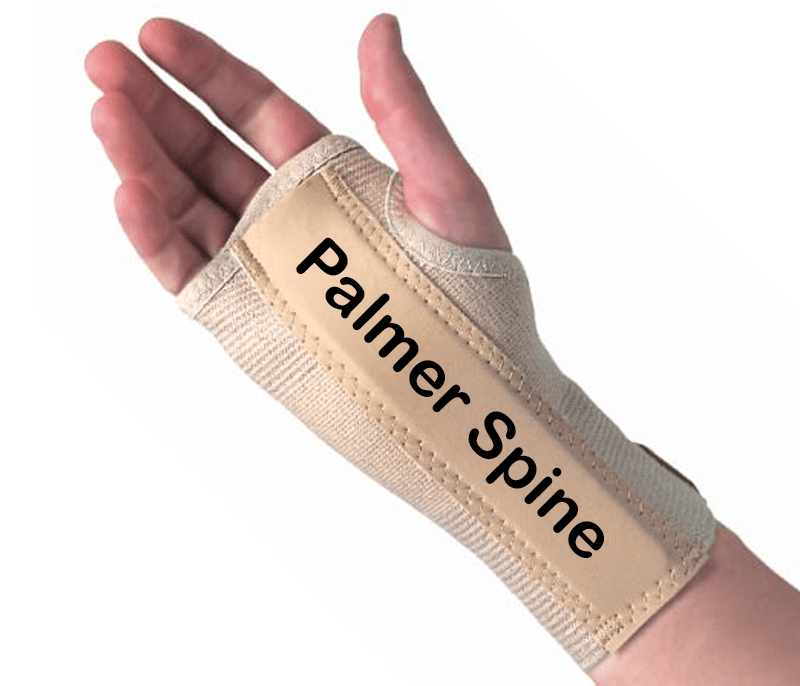
To relieve finger numbness, identify which fingers are affected, avoid activities or positions that compress the nerve, and use the treatment appropriate for the cause. Carpal tunnel symptoms may improve with nighttime wrist bracing, stretching, rest, and wrist massage. Cubital tunnel symptoms often respond to keeping the elbow straighter, avoiding pressure on it, and performing ulnar nerve-gliding exercises. Numbness caused by sleeping position may improve by changing sleep posture and protecting the wrist or elbow overnight.
Step 1: Identify Which Fingers Are Numb
The first step in treating
finger numbness is determining
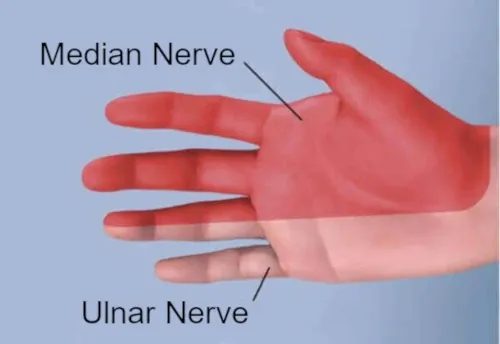
which fingers are affected. Different nerves supply sensation to different parts of your hand, so the location of your numbness often reveals the underlying cause.
Fortunately,
three conditions account for the vast majority of cases:
- Carpal tunnel syndrome (median nerve compression at the wrist)
- Cubital tunnel syndrome (ulnar nerve compression at the elbow)
- Sleeping position that temporarily compresses one of these nerves overnight
Once you identify the likely cause, choosing the right treatment becomes much easier.
Which fingers are numb?
- Thumb, index finger, middle finger, and half of the ring finger Most often indicates
carpal tunnel syndrome, where the median nerve is compressed at the wrist.
- Ring finger and pinky finger Most often indicates
cubital tunnel syndrome, where the ulnar nerve becomes compressed at the elbow.
- Entire hand Often results from sleeping in a position that temporarily compresses one or more nerves. If the numbness disappears within a few minutes after changing position, it's usually harmless. Constant or recurring symptoms should be evaluated.
Knowing this pattern helps you focus on the most effective treatment instead of relying on trial and error.
How to Tell What's Causing Your Finger Numbness
Use this quick guide to identify the most likely cause of your finger numbness before reviewing the treatment recommendations below.
| Feature |
Carpal Tunnel Syndrome |
Cubital Tunnel Syndrome |
Sleeping Position |
| Numb fingers |
Thumb, index, middle, and part of the ring finger |
Ring finger and pinky |
Varies; may affect several fingers or the whole hand |
| Compressed nerve |
Median nerve |
Ulnar nerve |
Median nerve, ulnar nerve, or both |
| Compression site |
Wrist |
Elbow |
Wrist, elbow, arm, or shoulder during sleep |
| When it commonly occurs |
At night or during repetitive hand activity |
When the elbow stays bent or rests on a hard surface |
Upon waking; often improves after changing position |
| Typical first treatment |
Night wrist brace, stretching, rest, and massage |
Keep the elbow straighter, avoid pressure, and perform nerve glides |
Change sleeping position and protect the wrist or elbow |
If your symptoms most closely match one of these conditions, start with the treatment recommendations below. If you're still unsure, the free self-test can help identify whether carpal tunnel syndrome is the most likely cause.
Carpal Tunnel Syndrome
Numb fingers:
Thumb, index, middle, and part of the ring finger
Nerve:
Median nerve
Compression site:
Wrist
Common timing:
At night or during repetitive hand activity
First treatment:
Night wrist brace, stretching, rest, and massage
Cubital Tunnel Syndrome
Numb fingers:
Ring finger and pinky
Nerve:
Ulnar nerve
Compression site:
Elbow
Common timing:
When the elbow stays bent or rests on a hard surface
First treatment:
Keep the elbow straighter, avoid pressure, and perform nerve glides
Sleeping Position
Numb fingers:
Varies; may affect several fingers or the whole hand
Nerve:
Median nerve, ulnar nerve, or both
Compression site:
Wrist, elbow, arm, or shoulder during sleep
Common timing:
Upon waking; often improves after changing position
First treatment:
Change sleeping position and protect the wrist or elbow
Think Your Finger Numbness Is Carpal Tunnel?
Persistent numbness in the thumb, index, or middle finger is commonly caused by carpal tunnel syndrome. Take these free tests to learn whether your symptoms match—and how severe they may be.
Check Your Symptoms
Test Your Severity
Treat Finger Numbness Caused by Carpal Tunnel Syndrome
Carpal tunnel syndrome is the most common cause of persistent finger numbness. It affects an estimated 8 million Americans each year and develops when the
median nerve becomes compressed as it passes through the narrow carpal tunnel in the wrist.
As pressure builds around the nerve, it produces numbness, tingling, burning pain, weakness, or electric shock-like sensations. Symptoms usually begin gradually and often become worse at night.
You may also notice:
- Dropping objects unexpectedly
- Difficulty buttoning clothing or picking up small objects
- Hand weakness
- Pain that travels into the forearm
- Nighttime symptoms that wake you from sleep
Without treatment, prolonged nerve compression can eventually weaken the thumb muscles and reduce grip strength.
Fortunately,
most mild and moderate cases improve without surgery when treated early using nighttime bracing, stretching exercises, massage, activity modification, and adequate rest.
1. Night Bracing
2. Rest Your Hands
3. Stretching Exercises
4. Myofascial Release Massage
Treat Carpal Tunnel Early
Persistent finger numbness is one of the earliest signs of carpal tunnel syndrome. Beginning treatment while symptoms are still mild gives you the best chance of avoiding permanent nerve damage and surgery.
Treat Finger Numbness Caused by Cubital Tunnel Syndrome
Cubital tunnel syndrome is the
second most common cause of finger numbness. It occurs when the
ulnar nerve becomes compressed as it passes behind the inside of your elbow, commonly known as the "funny bone."
Unlike carpal tunnel syndrome, cubital tunnel syndrome primarily affects the
ring finger and pinky finger. Symptoms often worsen when the elbow remains bent for long periods, such as while talking on the phone, driving, reading, or sleeping.
Fortunately, most cases improve without surgery when treated early. The following four approaches are usually effective at relieving pressure on the ulnar nerve and restoring normal sensation.
1. Adjust Your Sleeping Position
2. Use Anti-Inflammatory Medication
3. Perform Ulnar Nerve Gliding Exercises
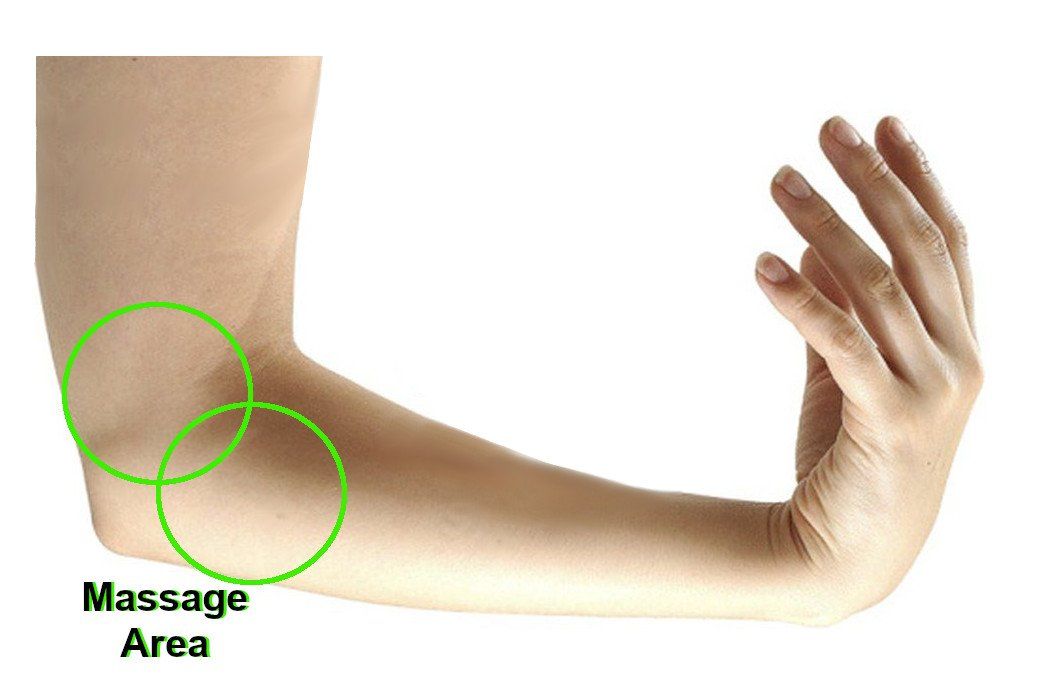
4. Massage Around the Elbow
Good News
Most cases of cubital tunnel syndrome improve without surgery when treated early. Simply avoiding prolonged elbow bending and performing regular nerve-gliding exercises are often enough to eliminate finger numbness within several weeks.
Treat Finger Numbness Caused by Your Sleeping Position
Believe it or not,
your sleeping position is one of the most common causes of waking up with finger numbness.
When you sleep with your wrist sharply bent, your elbow tucked underneath you, or your head resting on your arm, you can temporarily compress the median or ulnar nerve. The result is numbness or tingling that usually improves within a few minutes after you wake up and move around.
If the problem occurs night after night, however, those repeated episodes of nerve compression can eventually contribute to chronic symptoms.
Fortunately, a few simple changes can often eliminate nighttime finger numbness completely.
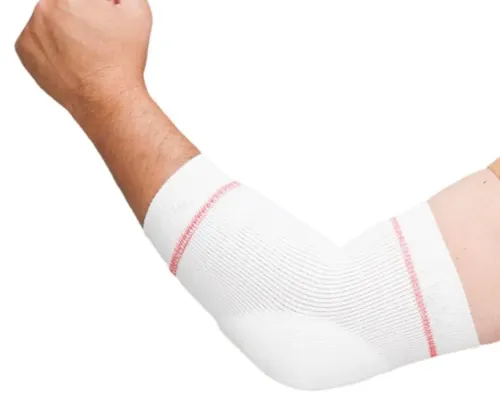
1. Protect Your Elbow
2. Wear a Night Wrist Brace
3. Retrain Your Sleeping Position
Don't Ignore Persistent Finger Numbness
If your finger numbness lasts longer than two weeks, wakes you frequently at night, or is accompanied by hand weakness or dropping objects, don't assume it will resolve on its own. Early treatment offers the best chance of preventing nerve damage.
Still Experiencing Finger Numbness?
If your symptoms keep returning despite home treatment, a professional evaluation can identify the cause and help you avoid permanent nerve damage.
Check Your Symptoms
Test Your Severity
When Finger Numbness Is a Medical Emergency
Although most cases of
finger numbness result from nerve compression and are not dangerous,
sudden numbness can occasionally signal a serious medical condition, such as a stroke.
Call 911 or seek emergency medical care immediately if finger numbness:
- Develops suddenly without an obvious cause
- Affects one entire side of your body
- Occurs with facial drooping
- Is accompanied by weakness in your arm or leg
- Causes difficulty speaking or understanding speech
- Is associated with confusion, loss of balance, or severe dizziness
- Appears after a significant neck or head injury
These symptoms require immediate medical evaluation because treatment for stroke is most effective when started as quickly as possible.
Even if your symptoms are not an emergency, you should schedule an appointment with your healthcare provider if:
- Numbness lasts longer than two weeks.
- Symptoms continue getting worse.
- Your hand becomes weak.
- You begin dropping objects.
- Home treatment provides little or no improvement.
Early diagnosis often prevents permanent nerve injury.
Summary
Most cases of
finger numbness are caused by compression of the
median nerve at the wrist (carpal tunnel syndrome), the
ulnar nerve at the elbow (cubital tunnel syndrome), or temporary nerve pressure from your sleeping position. The encouraging news is that these conditions usually respond well to conservative treatment when addressed early.
Night bracing, stretching exercises, massage, activity modification, and improving your sleeping posture can often relieve symptoms and prevent permanent nerve damage. The key is identifying the correct cause so you can choose the most effective treatment.
The sooner you identify the cause of your finger numbness, the easier it is to stop the problem before permanent nerve damage develops. If your symptoms persist despite home treatment, don't wait—seek a professional evaluation.
Frequently Asked Questions
Can finger numbness go away on its own?
Yes. Mild numbness caused by temporary nerve compression often resolves after changing positions or resting your hand. However, recurring or persistent numbness usually indicates an underlying problem that should be treated.
Can I have both carpal tunnel syndrome and cubital tunnel syndrome?
Yes. Some people have compression of both the median and ulnar nerves at the same time. This can produce numbness involving nearly all of the fingers and may require treating both conditions simultaneously.
How long does it take for finger numbness to improve?
It depends on the cause and severity. Mild nerve compression may improve within days, while moderate cases often require
4–6 weeks of consistent treatment. Severe nerve compression may take several months and occasionally requires surgery.
Can finger numbness become permanent?
Yes. If the underlying nerve compression remains untreated for months or years, permanent nerve damage and muscle weakness can develop. That's why persistent finger numbness should never be ignored.
About Dr. Maik Zannakis
Sources