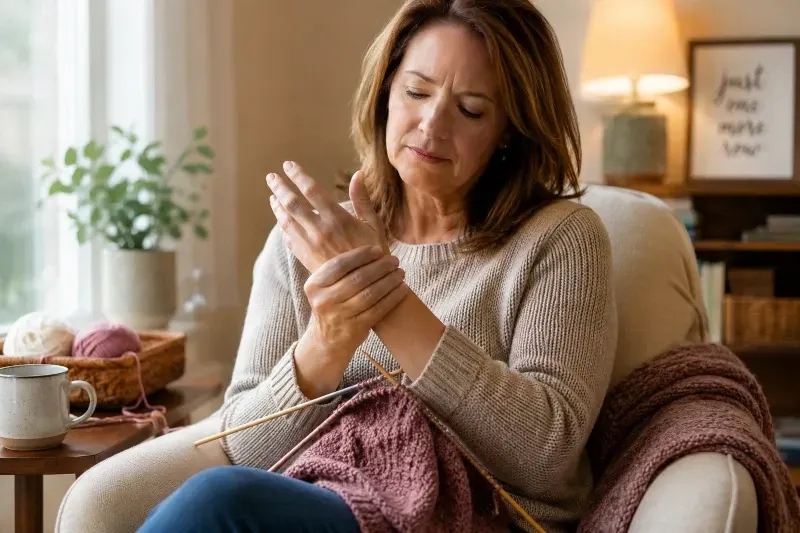
Knitting hand pain is usually caused by repetitive stress on the tendons, joints, and nerves of the fingers and wrist. Frequent breaks, stretching exercises, bracing, rest, and myofascial massage can help reduce pain and prevent tendonitis or carpal tunnel syndrome.
Knitting is relaxing, creative, and deeply rewarding — but for many people, it also comes with aching fingers, sore wrists, stiffness, or numbness. That’s because knitting hand pain is extremely common among people who spend long periods performing repetitive hand movements.
The small, repetitive motions required for knitting place constant stress on the tendons, joints, and nerves of the fingers and wrist. Over time, this repetitive strain may lead to tendonitis, nerve irritation, or even carpal tunnel syndrome.
The good news is that knitting hand pain is often preventable and treatable when addressed early. Simple stretches, rest breaks, hand exercises, proper bracing, and myofascial massage may help reduce inflammation, improve circulation, and keep your hands healthy so you can continue knitting comfortably.
Knitting hand pain is commonly caused by repetitive stress on the tendons and nerves of the fingers and wrist. Frequent breaks, stretching exercises, rest, wrist bracing, and myofascial massage can help relieve pain and prevent tendonitis or carpal tunnel syndrome from worsening.
✋
Do Your Hands Tingle or Burn While Knitting?
Hours of repetitive knitting can strain the tendons and nerves in your hands, leading to numbness, tingling, burning, or wrist pain. If these symptoms sound familiar, these free tools may help you better understand what’s happening.
People Also Ask
Why does knitting cause hand pain?
Knitting requires repetitive finger and wrist movements that place stress on tendons, joints, and nerves. Over time, repetitive strain may lead to tendonitis, inflammation, stiffness, or carpal tunnel syndrome.
Can knitting cause carpal tunnel syndrome?
Knitting itself does not directly cause carpal tunnel syndrome, but repetitive hand activity may aggravate tendon inflammation inside the wrist, which can increase pressure on the median nerve.
How do you stop hand pain from knitting?
Frequent breaks, stretching exercises, wrist bracing, good posture, hand massage, and limiting marathon knitting sessions may help reduce knitting hand pain and repetitive strain.
Should I stop knitting if my hands hurt?
If pain becomes severe, persistent, or associated with numbness or weakness, temporarily reducing or stopping knitting may help prevent symptoms from worsening while the tissues recover.
How Knitting Causes Hand Pain
Knitting hand pain is usually caused by repetitive stress on the tendons and soft tissues of the fingers, hand, and wrist.
The human hand simply was not designed for small repetitive movements performed continuously for hours at a time. As knitting movements repeat over and over, microscopic stress develops inside the tendons and surrounding tissues. Over time, this may lead to:
- Tendon irritation
- Swelling
- Stiffness
- Finger pain
- Wrist pain
- Nerve irritation
Many knitters ignore these symptoms initially because they develop slowly. Unfortunately, repetitive strain injuries often worsen gradually over time if not addressed early.
Tendonitis vs. Carpal Tunnel Syndrome
Knitting hand pain is most commonly caused by either tendonitis or carpal tunnel syndrome. While the two conditions are related, their symptoms are slightly different.
Tendonitis
Tendonitis symptoms may include:
- Localized tenderness
- Aching pain
- Finger stiffness
- Pain when pressing certain areas
- Soreness during activity
Symptoms can occur anywhere from the fingers to the forearm.
Carpal Tunnel Syndrome
Carpal tunnel symptoms often include:
Symptoms usually begin at night and gradually appear during daytime activities as the condition worsens.
The Microscopic “Rip-and-Repair” Process
According to the
National Institutes of Health, repetitive strain injuries involve tiny microscopic damage occurring inside the tendons.
As the body repeatedly repairs these tiny injuries:
- Scar-like adhesions may form
- Tendons become less flexible
- Inflammation develops
- Swelling increases
- Pain worsens over time
When swelling occurs inside the carpal tunnel space, the inflamed tendons may begin pressing against the nearby median nerve. That nerve compression is what produces many classic carpal tunnel symptoms like numbness, tingling, burning, and weakness.
Important Note
Knitting through persistent pain is one of the biggest reasons repetitive strain injuries become chronic. Early treatment and prevention are much easier than treating advanced symptoms later.
Why You Shouldn’t Ignore Knitting Hand Pain
Repetitive strain injuries usually develop slowly over months or years. By the time symptoms become noticeable, inflammation and tissue irritation may already be fairly advanced.
You should pay close attention if you experience:
Early intervention often prevents symptoms from progressing into more severe tendonitis or carpal tunnel syndrome.
Fortunately, several conservative treatments may help calm inflammation and protect your hands from worsening repetitive strain.
What To Do for Knitting Hand Pain
Several conservative treatments may help relieve knitting hand pain and repetitive strain symptoms.
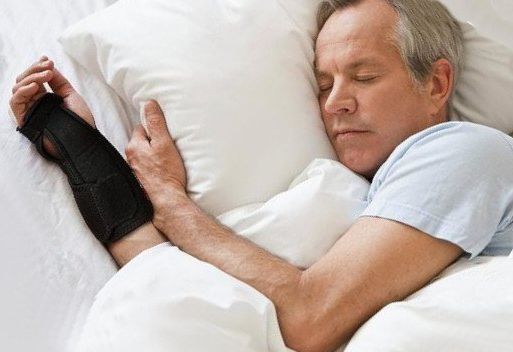
Brace at night
Rest your hand
Exercise your fingers & hand
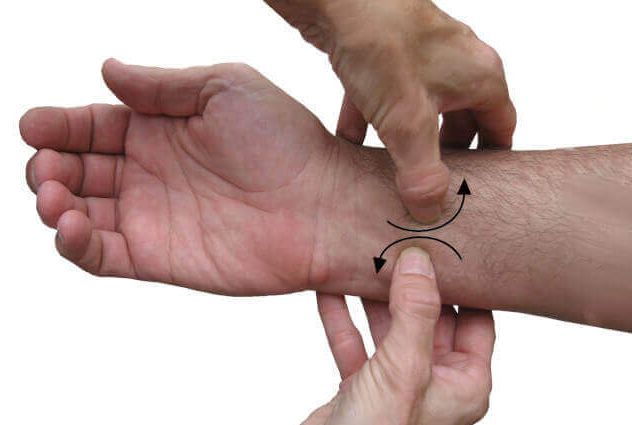
Myofascial massage
Still Having Tingling or Numbness While Knitting?
If knitting causes burning, numbness, tingling, weakness, or wrist pain, repetitive strain may already be affecting your tendons and median nerve.
How To Prevent Knitting Hand Pain
Preventing knitting hand pain is much easier than treating chronic repetitive strain injuries later.
Helpful prevention strategies include:
- Taking frequent stretch breaks
- Avoiding marathon knitting sessions
- Warming up your hands before knitting
- Stretching your fingers, wrists, shoulders, and forearms
- Maintaining good posture
- Avoiding prolonged wrist bending positions
Using relaxed needle grips and supporting your forearms while knitting may also reduce stress on the wrists and fingers.
Even small changes in your knitting routine may dramatically reduce long-term stress on your hands and wrists.
Summary
Knitting hand pain is extremely common because repetitive knitting motions place continuous stress on the tendons, joints, and nerves of the hands and wrists. Over time, this repetitive strain may lead to tendonitis, inflammation, stiffness, or carpal tunnel syndrome.
Fortunately, early treatment and prevention strategies like stretching exercises, rest breaks, wrist bracing, posture correction, and myofascial massage may significantly reduce symptoms and help protect long-term hand health.
Key Takeaways
- Knitting hand pain is commonly caused by repetitive stress on tendons and nerves.
- Tendonitis and carpal tunnel syndrome are two of the most common knitting-related hand conditions.
- Early symptoms may include stiffness, aching, tingling, numbness, burning, or weakness.
- Frequent breaks, stretching, bracing, and massage may help reduce symptoms and inflammation.
- Preventing repetitive strain injuries early is much easier than treating advanced symptoms later.
About Dr. Zannakis