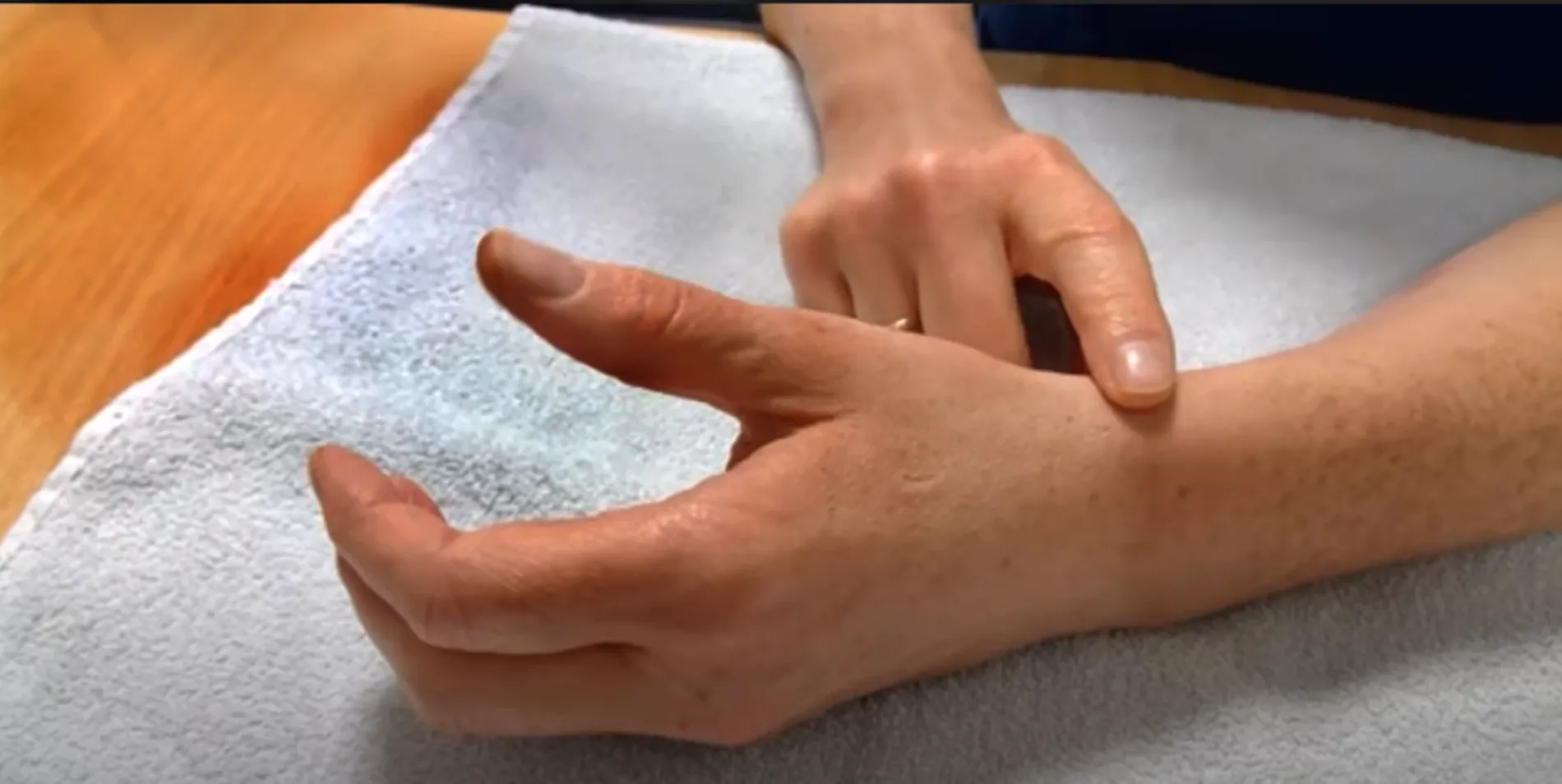
Where carpal tunnel pain hurts most is usually the thumb, index finger, middle finger, and thumb-side palm. Symptoms may also include numbness, tingling, burning, weakness, or pain that radiates into the wrist or forearm.
If you’re wondering where carpal tunnel pain hurts most, the answer is surprisingly consistent from person to person.
Most sufferers feel symptoms in the thumb-side of the hand — especially the thumb, index finger, middle finger, and nearby palm. Pain may feel burning, throbbing, sharp, electric-like, or deeply aching. Many people also experience numbness and tingling in the same areas.
Understanding where carpal tunnel pain hurts most — and which fingers are affected — can help distinguish carpal tunnel syndrome from tendonitis, arthritis, or other hand conditions. Recognizing these patterns early may also help prevent permanent nerve damage.
Find Out If You Have Carpal Tunnel — And How Severe It Is
Step 1 helps confirm whether your symptoms match carpal tunnel syndrome. Step 2 measures how advanced your condition may be.
Carpal tunnel pain usually hurts most in the thumb, index finger, middle finger, and thumb-side palm. The pinky finger is typically spared because it is controlled by a different nerve. As symptoms worsen, pain may radiate into the wrist, forearm, elbow, or arm.
People Also Ask
Where does carpal tunnel hurt the most?
Carpal tunnel usually hurts most in the thumb, index finger, middle finger, and thumb-side palm.
Can carpal tunnel pain shoot up the arm?
Yes. Carpal tunnel pain can radiate into the wrist, forearm, elbow, and sometimes the shoulder.
Does carpal tunnel affect the pinky finger?
No. The pinky finger is usually spared because it is supplied by the ulnar nerve instead of the median nerve.
What does severe carpal tunnel pain feel like?
Severe carpal tunnel pain may feel burning, crushing, electric-like, throbbing, or constant.
When is carpal tunnel pain usually worst?
Symptoms are commonly worst at night or while the hand is resting.
Where Carpal Tunnel Pain Hurts Most
For most sufferers, the area where carpal tunnel pain hurts most is:
- the thumb
- index finger
- middle finger
- thumb-side palm
Some people also feel symptoms in the ring finger, wrist, or forearm.
One important clue is that the pinky finger is usually NOT affected because it is controlled by the ulnar nerve rather than the median nerve.
As symptoms worsen, pain may:
- spread into the wrist
- radiate up the arm
- shoot toward the elbow
- feel like an electric shock
Understanding why carpal tunnel pain occurs can help explain why symptoms follow such a predictable pattern in the hand and fingers.
What Carpal Tunnel Pain Means
Carpal tunnel syndrome happens when
swollen flexor tendons compress the median nerve inside the wrist. According to the
National Institutes of Health, median nerve compression inside the carpal tunnel is the defining mechanism behind carpal tunnel syndrome.
The median nerve controls sensation in much of the hand and fingers. When pressure builds inside the carpal tunnel, the nerve becomes irritated and sends abnormal signals to the brain.
That irritation produces:
Without treatment, the nerve damage can worsen over time.
Different Types of Carpal Tunnel Pain
Carpal tunnel pain can feel very different from person to person. Common descriptions include:
- dull or sharp
- aching, pounding, throbbing
- deep or burning
- shooting
- electric-like
- grinding or gnawing
Some people experience intermittent discomfort while others feel constant pain throughout the day. Some patients feel more than one type of pain at the same time.
The 4 Stages of Carpal Tunnel Syndrome
Mild Stage
Symptoms usually occur only:
- at night
- while resting
- during sleep
Many people wake up needing to shake out their hand or rub their fingers.
Moderate Stage
Symptoms begin occurring during the day and may include:
- dropping objects
- grip weakness
- finger clumsiness
- difficulty buttoning clothes
Severe Stage
Pain becomes:
- constant
- intense
- burning
- crushing
- exhausting
Many patients describe severe symptoms as unbearable.
End Stage
In end-stage carpal tunnel syndrome:
- the median nerve begins to die
- thumb muscles waste away
- grip strength declines severely
- claw-hand deformity may develop
Ironically, pain may lessen during this stage because the nerve is no longer functioning normally. At this stage, some nerve damage may become permanent.
Who Gets Carpal Tunnel Syndrome?
Anybody can develop carpal tunnel syndrome, but risk is highest in people who perform repetitive hand-intensive activities.
Higher-risk occupations include:
Conditions that may also increase risk include:
Best Ways To Relieve Carpal Tunnel Pain
The
American Academy of Orthopaedic Surgeons recommends trying nonsurgical treatments before considering carpal tunnel release surgery.
Some treatments only provide temporary symptom relief, while others address the underlying cause of median nerve compression.
| Treatment |
Main Benefit |
Best For |
Relief Type |
| NSAIDs |
Temporarily reduces inflammation and pain |
Short-term pain flare-ups |
Temporary |
| Steroid Injections
|
May reduce inflammation inside the wrist |
Moderate pain or swelling |
Temporary |
| Ointments
|
May soothe surface-level discomfort |
Mild, short-term symptom relief |
Temporary |
| Ice or Heat
|
Temporarily reduces discomfort and stiffness |
Symptom flare-ups |
Temporary |
| Acupuncture
|
May reduce pain sensitivity |
Pain-dominant symptoms |
Temporary |
| Ultrasound Therapy
|
Uses heat to improve tissue circulation |
Inflamed or irritated wrist tissues |
Temporary |
| Yoga |
Improves flexibility and soft-tissue balance |
Upper body tension and wrist restriction |
Temporary to long-term |
| Night Bracing |
Keeps the wrist neutral during sleep |
Nighttime pain, numbness, tingling |
Long-term |
| Rest / Activity Modification |
Reduces repetitive tendon stress |
Overuse-related symptoms |
Long-term |
| Stretching Exercises |
Improves tendon movement and flexibility |
Mild to moderate symptoms |
Long-term |
| Myofascial Release Massage |
Breaks adhesions and reduces pressure inside the wrist |
Persistent or advanced symptoms |
Long-term |
NSAIDs
Benefit:
Temporary inflammation relief
Relief:
Temporary
Ointments
Benefit:
Surface-level comfort
Relief:
Temporary
Acupuncture
Benefit:
May reduce pain sensitivity
Relief:
Temporary
Yoga
Benefit:
Improves flexibility
Relief:
Temporary to long-term
Night Bracing
Benefit:
Keeps wrist neutral
Relief:
Long-term
Rest / Activity Changes
Benefit:
Reduces tendon stress
Relief:
Long-term
Stretching Exercises
Benefit:
Improves tendon movement
Relief:
Long-term
Myofascial Release Massage ⭐
Benefit:
Reduces wrist pressure
Relief:
Long-term
⚠ Beware Of Wrist Braces With A Palmar Spine
Many drugstore wrist braces contain a rigid metal spine on the palm side of the brace. This design can actually increase pressure inside the carpal tunnel and worsen symptoms overnight.
When To See A Doctor
You should not ignore persistent hand pain, numbness, or tingling — especially if symptoms are becoming
more frequent or severe.
Consider seeing a doctor if you experience:
- constant numbness
- dropping objects frequently
- thumb weakness
- loss of grip strength
- difficulty handling small objects
- symptoms lasting more than several weeks
- worsening symptoms despite rest or bracing
Early diagnosis and treatment offer the best chance of avoiding permanent nerve damage.
Summary
Where carpal tunnel pain hurts most is usually the thumb, index finger, middle finger, and thumb-side palm. Symptoms may include numbness, tingling, burning, weakness, or shooting pain that radiates into the wrist or arm.
Carpal tunnel syndrome is progressive, meaning symptoms worsen over time without treatment. Fortunately, early conservative treatment can often relieve symptoms and prevent permanent nerve damage.
Key Takeaways
- Carpal tunnel pain usually hurts most in the thumb-side of the hand
- The pinky finger is typically spared
- Symptoms often worsen at night
- Pain may feel burning, electric-like, aching, or shooting
- Severe cases may cause weakness and dropping objects
- Night bracing, stretching, and myofascial release are among the most effective nonsurgical treatments
- Early treatment offers the best chance of recovery
About Dr. Zannakis