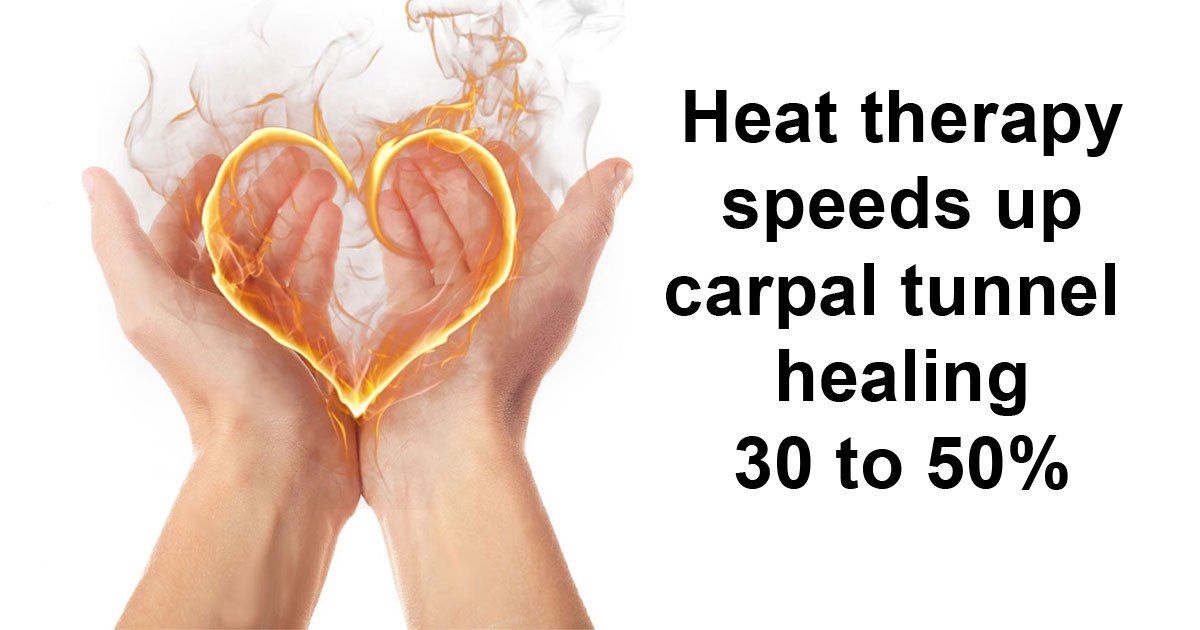
For carpal tunnel, ice helps reduce short-term pain and flare-ups, while heat improves blood flow and supports long-term healing of irritated tendons.
If you have carpal tunnel syndrome, you’ve probably wondered whether to use ice or heat for relief. Both can feel helpful—but they work in completely different ways. Knowing when to use ice vs heat for carpal tunnel can make a big difference in how quickly your symptoms improve.
Ice or Heat for Carpal Tunnel?
Ice and heat help carpal tunnel in different ways. Ice is best for temporary pain relief during flare-ups because it numbs discomfort and may reduce swelling briefly. Heat is better for chronic carpal tunnel because it improves blood flow, relaxes tight tissues, and supports tendon healing.
- Use ice
for short-term pain or flare-ups.
- Use heat
for stiffness, aching, and long-term healing.
- Ice does not treat the root cause
of carpal tunnel syndrome.
- Heat supports recovery
by improving circulation and tissue flexibility.
People Also Ask
Is ice or heat better for carpal tunnel?
Heat is better for long-term relief because it improves circulation and helps tissues heal. Ice is useful only for temporary pain relief.
Can ice make carpal tunnel worse?
Ice usually doesn’t worsen carpal tunnel, but relying on it too much can delay proper treatment since it only numbs pain temporarily.
How long should I use heat for carpal tunnel?
Use gentle heat for about 15 minutes at a time, especially before sleep or before stretching exercises.
Does contrast therapy help carpal tunnel?
Contrast therapy may feel soothing, but it does not address the underlying cause of carpal tunnel syndrome.
Find Out If You Have Carpal Tunnel — And How Severe It Is
Start with the symptom self-test to see if your symptoms match carpal tunnel syndrome.
If they do, take the severity quiz to estimate how advanced your condition may be.
Ice vs Heat for Carpal Tunnel
The
ice vs heat for carpal tunnel question comes down to understanding what each therapy actually does.
Ice works by cooling the tissues. This numbs pain and may temporarily reduce
swelling. That’s why it can feel good during a flare-up.
Heat works differently. It
increases blood flow, relaxes tight muscles and tendons, and improves tissue flexibility. These effects support healing over time.
The key difference is simple:
- Ice = temporary relief
- Heat = long-term support
When to Use Ice
Ice is best when your symptoms suddenly flare up and feel painful or irritated.
Use ice if you have:
- Sudden increases in pain
- A
burning or throbbing sensation
- Temporary swelling
- Overuse after activity
You can use:
- Ice packs
- Cold gel packs
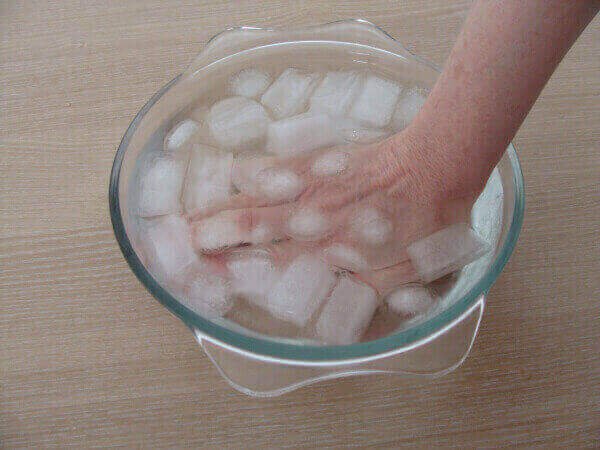
- A brief ice bath
Ice works quickly, but the relief usually doesn’t last long. Once your hand warms up, symptoms often return.
When to Use Heat
Heat is usually better for ongoing
carpal tunnel symptoms.
Use heat if you have:
- Stiffness
- Aching
- Tightness in your wrist or forearm
- Chronic symptoms that come and go
Heat helps by:
- Increasing circulation
- Relaxing tight tissues
- Improving tendon movement
- Preparing the hand for stretching or therapy
Apply heat for about 15 minutes at a time, especially before bed.
Contrast Therapy?
Some people alternate between cold and warm water. This is called
contrast therapy.
It may feel soothing because it combines the numbing effect of cold with the relaxing effect of heat. However, it does not fix the underlying problem.
If it helps you feel better, it’s fine to use—but it should not replace more effective treatment.
Best Heat Options
To get the most benefit, heat should cover the entire hand and wrist.
Good options include:
- Warm towels
- Heating pads
- Heat mitts
- Warm water soaking
A heat mitt is often the easiest because it surrounds the hand completely. A heating pad can also work if wrapped around the wrist and hand.
The goal is gentle, consistent warmth—not excessive heat.
Why Ice or Heat Alone Isn’t Enough
Ice and heat can help symptoms, but they don’t fully treat carpal tunnel syndrome.
The root problem is usually inflamed, irritated tendons that increase pressure inside the wrist and compress the median nerve.
To truly improve symptoms, most people need:
One of the most effective approaches is
myofascial release massage, which helps break up adhesions and reduce fluid buildup around the tendons.
Heat supports this process—but it’s not a complete solution on its own.
Summary
For
ice heat carpal tunnel relief, both therapies have a role. Ice is helpful for short-term pain relief during flare-ups. Heat is better for long-term improvement because it supports circulation, reduces stiffness, and helps tissues heal.
For lasting results, heat should be combined with proper carpal tunnel treatment—not used alone.
About Dr. Zannakis