

Bracing your wrist at night:
- Keeps wrist in neutral position
- Prevents nerve compression during sleep
- Must be a certified carpal tunnel brace(no palm pressure)
⚠️ Avoid daytime bracing—it increases tendon stress
CarpalRx - Carpal Pain Solutions
2609 S. Federal Highway
No. 1147 Fort Pierce, FL 34982
From Dr. Z - Carpal tunnel syndrome specialist
Hand pain from horse riding is caused by prolonged gripping of reins, which inflames tendons and can lead to carpal tunnel syndrome if not treated early.
If you ride horses regularly, chances are you’ve felt it—that aching, burning, or numb sensation in your hands.
Hand pain from horse riding is extremely common among equestrians. For some, it’s occasional. For others, it becomes a constant problem that affects performance, comfort, and even daily life.
The good news? It’s not something you have to live with.
Understanding why it happens—and more importantly, what it means—is the key to stopping it before it gets worse.
The key to relief is reducing tendon strain and pressure on the median nerve. Early treatment—such as rest, stretching, proper technique, and myofascial release—can prevent progression and restore normal hand function.
Hand pain from horse riding is usually caused by prolonged gripping of reins, which strains and inflames the flexor tendons. Over time, this can lead to soreness, stiffness, and reduced hand function.
Yes. Repetitive and forceful gripping during horse riding can inflame tendons inside the wrist and increase pressure on the median nerve. If numbness, tingling, burning, or nighttime symptoms develop, carpal tunnel syndrome may be the cause.
The best approach is to rest your hands, reduce prolonged gripping, do stretching exercises, and use a proper nighttime wrist brace if carpal tunnel symptoms are present. Myofascial release massage can also help reduce tendon inflammation and nerve pressure.
You should take it seriously if symptoms wake you at night, numbness becomes frequent, weakness develops, or pain spreads and worsens. The page notes that carpal tunnel syndrome is progressive if ignored.
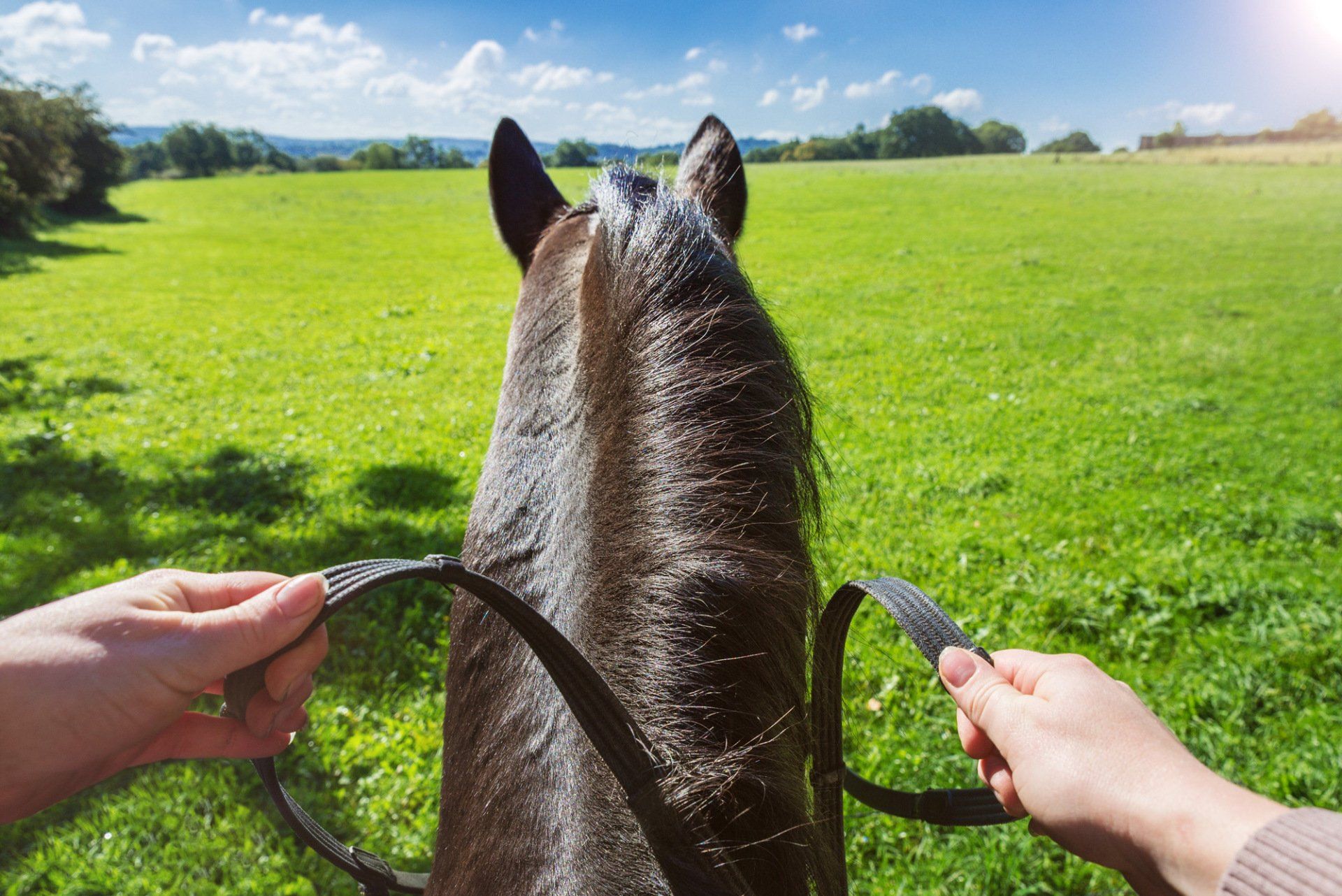
Horse riding places unique stress on your hands.
Controlling a large animal—often over 1,000 pounds—requires:
This type of gripping is not natural for human physiology and biomechanics.
Your flexor tendons are designed for short, intermittent movements—not constant tension. When you grip for extended periods:
Over time, this leads to pain, stiffness, and reduced hand function.
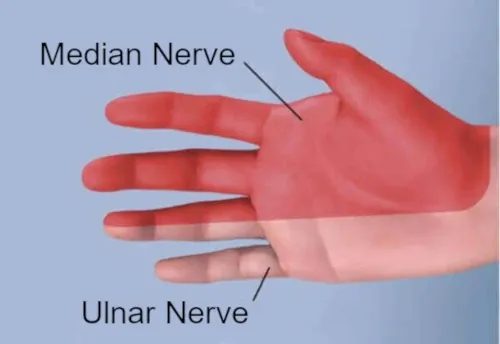
Not all hand pain is the same—and this distinction is critical.
Carpal Tunnel Syndrome occurs when swelling moves into the wrist and compresses the median nerve. This changes everything.
Instead of just pain, you may experience:
A key sign:
👉
Symptoms often start
at night, not during activity
Also important:
If symptoms persist or worsen, it’s no longer “just sore hands.”

Inside your wrist is a narrow passageway called the carpal tunnel.
It contains:
When tendons are overused, they form restrictions and adhesions. This causes them to inflame and swell. As a result:
This is what causes the classic symptoms of carpal tunnel syndrome—pain, numbness, and tingling.
Why Equestrians Are at Higher Risk
Hand pain from horse riding is a form of repetitive strain injury (RSI).
The biggest risk factors include:
This is the same mechanism seen in:
But equestrians often experience more sustained grip stress, making the risk even higher.

Carpal tunnel syndrome occurs in about 5% of the US population, with about 250,000 new cases per year. Therefore, pay attention if you notice:
These are early indicators that your condition may be progressing beyond simple overuse.
The most successful approach combines four treatments:
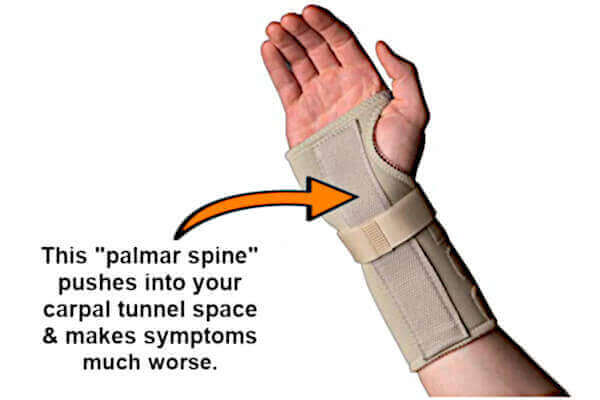
Bracing your wrist at night:
⚠️ Avoid daytime bracing—it increases tendon stress
Rest and activity modification can take many forms:

Targeted finger and hand stretching (described in detail here):
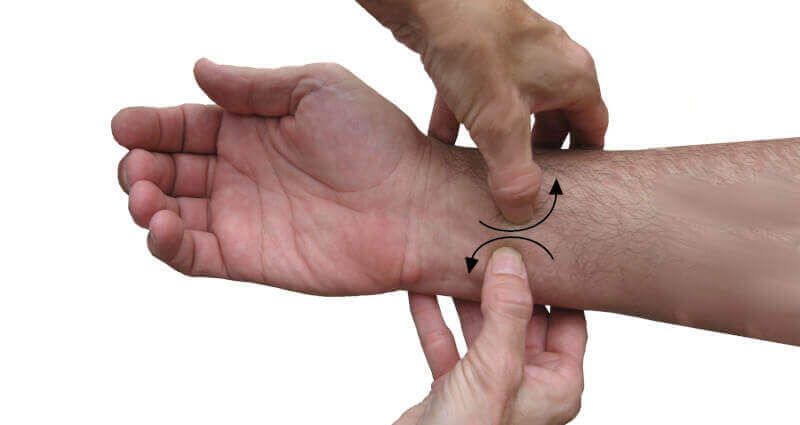
This is the key differentiator It can be performed manually or with the CarpalRx.
It works by:
Traditionally performed by therapists, it requires
Unlike surgery—which cuts tissue—this method:
That’s why patients often see:

You should take action immediately if:
Carpal tunnel syndrome is progressive, meaning it will get worse if ignored.

Dr. Maik Zannakis (Dr. Z)
Medical Director at the CarpalRx
Dr. Z is an acclaimed medical scientist renowned for his expertise in carpal tunnel syndrome and soft tissue disorders. With over 40 years of experience, he is credited with hundreds of medical journal publications and hundreds more web articles about carpal tunnel syndrome. After inventing the CarpalRx, Dr. Z became the go-to expert for carpal tunnel syndrome and wrist tendonitis. His opinions, inventions, and personalized care have distinguished Dr. Z as a trusted leader in this growing field. Read full Bio
Click here to learn more about Dr. Z
Email: dr.z@carplarx.com
Phone: 800-450-6118
CarpalRx - Carpal Pain Solutions
2609 S. Federal Highway
©2025 Copyright | All Rights Reserved | CarpalRX