Exercises for carpal tunnel can reduce numbness, tingling, pain, stiffness, and wrist tightness by stretching tendons, improving nerve mobility, and reducing pressure inside the carpal tunnel.
Carpal tunnel syndrome often begins gradually with occasional numbness, tingling, or aching in the hand and fingers. Over time, symptoms usually worsen — especially without treatment.
Fortunately, the right exercises for carpal tunnel can help reduce pressure on the median nerve, improve flexibility, restore circulation, and slow symptom progression. In mild cases, daily stretching and mobility exercises may even reverse symptoms before permanent nerve damage occurs.
Exercises for carpal tunnel
help stretch wrist tendons, improve nerve mobility, reduce stiffness, and decrease pressure inside the carpal tunnel. The best exercises include prayer stretches, wrist flexion stretches, tendon glides, finger stretches, and grip-strength exercises performed several times daily.
Find Out If You Have Carpal Tunnel — And How Severe It Is
Step 1 checks whether your symptoms match carpal tunnel syndrome. Step 2 estimates how severe the condition may be.
People Also Ask
Do exercises really help carpal tunnel syndrome?
Yes. Proper exercises can reduce tendon tightness, improve wrist flexibility, decrease pressure inside the carpal tunnel, and relieve mild symptoms.
What are the best exercises for carpal tunnel?
The best exercises include prayer stretches, wrist extension stretches, tendon glides, finger stretches, and grip-strength exercises.
How often should I do carpal tunnel exercises?
Most people benefit from performing exercises 3–5 times daily, especially if symptoms are already present.
Can exercises cure severe carpal tunnel syndrome?
Exercises may slow progression and improve comfort, but advanced or severe cases usually require additional treatment.
Why Exercises Help Carpal Tunnel
Carpal tunnel syndrome happens when tissues inside the wrist swell and compress the median nerve. That pressure causes numbness, tingling, pain, weakness, and stiffness in the hand and fingers.
Exercises for carpal tunnel help by:
- stretching tight forearm tendons
- improving wrist flexibility
- reducing stiffness
- improving circulation
- decreasing pressure inside the carpal tunnel
- improving nerve mobility
Daily stretching is especially important for people who repeatedly stress their hands through typing, gripping, assembly work, gaming, driving, hairstyling, musical instruments, or repetitive tool use.
Important:
Mild carpal tunnel symptoms are often reversible. But untreated symptoms usually worsen over time, sometimes leading to permanent nerve damage or surgery.
Common Symptoms of Carpal Tunnel
People with carpal tunnel syndrome commonly experience:
Carpal tunnel symptoms usually affect the:
- thumb
- index finger
- middle finger
- half of the ring finger
Importantly, the little finger is usually NOT affected.
Symptoms are often worse:
- at night
- while driving
- holding a phone
- gripping objects
- typing
- using tools
5 Best Exercises for Carpal Tunnel
Combining several exercises daily usually works better than relying on only one stretch or movement.
1) Prayer Stretch
2) Stop Position Stretch
3) Finger Tendon Glides
4) Wrist Flexion and Extension
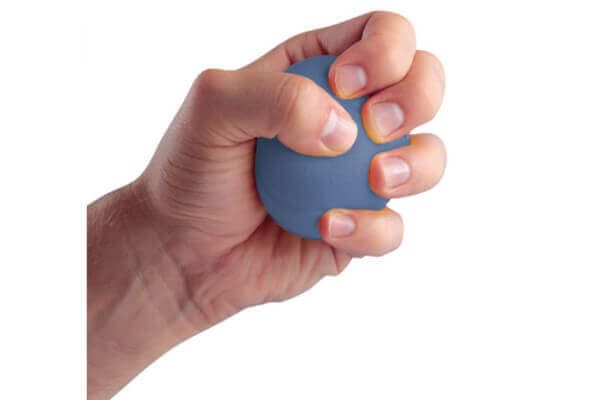
5) Grip Strength Exercise
Best Exercises Compared
| Exercise |
Primary Benefit |
Best For |
| Prayer Stretch |
Flexor tendon stretch |
Tight wrist tendons |
| Wrist Extension Stretch |
Reduces wrist pressure |
Typing & gripping strain |
| Finger Tendon Glides |
Improves tendon mobility |
Finger stiffness |
| Wrist Flexion Exercises |
Strengthens wrist muscles |
Weakness & fatigue |
| Grip Strength Exercise |
Improves hand endurance |
Grip weakness |
Prayer Stretch
Flexor tendon stretch
Best for tight wrist tendons
Wrist Extension Stretch
Reduces wrist pressure
Best for typing strain
Finger Tendon Glides
Improves tendon mobility
Best for stiffness
Wrist Flexion Exercises
Strengthens wrist muscles
Best for weakness
Grip Strength Exercise
Improves endurance
Best for grip weakness
When Exercises Help — And When They Don’t
Exercises for carpal tunnel work best during the
early stages of the condition — especially when symptoms are mild, occasional, or mainly happen at night.
Daily stretching and mobility exercises can often:
- reduce numbness and tingling
- decrease stiffness
- improve flexibility
- improve circulation
- reduce nighttime symptoms
- slow symptom progression
People who type frequently, grip tools, drive often, use vibrating equipment, play instruments, or perform repetitive hand motions may benefit greatly from preventive exercises before symptoms become
severe.
However, exercises alone are often NOT enough once carpal tunnel becomes
moderate or severe.
Warning signs that usually require additional treatment include:
- constant numbness
- hand weakness
- dropping objects
- thumb muscle shrinking
- symptoms lasting all day
- worsening symptoms despite stretching
- severe nighttime pain
In advanced cases, exercises may still help maintain flexibility and slow worsening, but additional treatment is usually needed to prevent permanent nerve damage.
Symptoms Getting Worse?
Exercises help many people — but worsening numbness, weakness, or nighttime pain may mean your carpal tunnel is becoming more advanced.
Test Your Carpal Tunnel Severity
Summary
Exercises for carpal tunnel can reduce pressure on the median nerve, improve flexibility, decrease stiffness, and relieve mild symptoms.
The best exercises include:
- prayer stretches
- wrist extension stretches
- tendon glides
- wrist strengthening
- grip-strength exercises
When performed consistently, these exercises can help prevent symptom progression and improve hand function naturally.
Consistency is the key — exercises are most effective when performed gently and routinely every day.
About Dr. Zannakis