Best Carpal Tunnel Syndrome Exercises: 3 Stretches That Relieve Symptoms Fast
Carpal tunnel syndrome exercises are proven stretches that relieve wrist pain, numbness, and tingling by reducing tendon pressure and improving hand function fast.
Carpal tunnel syndrome exercises are one of the most effective ways to relieve hand numbness, tingling, and pain—without medication or surgery. But not all exercises work the same.
Many routines fail because they’re too complicated, take too long, or don’t address the real problem: stiff, inflamed tendons pressing on the median nerve.
The key is using simple, targeted movements that restore tendon gliding, reduce pressure in the wrist, and improve circulation. When done consistently, these exercises can relieve symptoms quickly and help prevent the condition from worsening.
The best carpal tunnel syndrome exercises are tendon-stretching exercises—such as forearm, wrist, and thumb stretches—that help relieve pressure inside the wrist.
- Includes 3 key stretches: forearm, wrist, and thumb
- Helps reduce adhesions and improve tendon movement
- Can be used for both prevention and treatment
- More frequent use is needed for moderate or severe symptoms
- Severe cases often require night bracing and myofascial release massage
These exercises work by lubricating tendons and reducing adhesions that increase pressure on the median nerve. When done consistently and in the correct sequence, they can significantly reduce symptoms and improve hand function.
People Also Ask
Do carpal tunnel exercises really work?
Yes—when done consistently, carpal tunnel exercises improve tendon movement, reduce inflammation, and relieve pressure on the median nerve.
How often should I do carpal tunnel exercises?
For prevention, perform exercises every 2–3 hours. For treatment, do them every 30–120 minutes depending on symptom severity.
Can exercises cure carpal tunnel syndrome completely?
Exercises can relieve symptoms and slow progression, especially in mild to moderate cases. Severe cases usually require additional treatments like bracing and therapy.
Why Carpal Tunnel Exercises Work (Root Cause Explained)
Carpal tunnel syndrome is not just about nerve compression—it’s primarily caused by
inflamed, poorly gliding tendons inside the wrist.
When tendons:
- Lose lubrication
- Develop adhesions (sticky restrictions)
- Become inflamed
They crowd the
carpal tunnel space, increasing pressure on the median nerve.
The right exercises fix this by:
- Restoring tendon lubrication
- Breaking up adhesions
- Improving blood flow and drainage
That’s why a
structured stretching sequence works far better than random exercises.
Prevention vs. Treatment: What’s the Difference?
Before starting, you need to know your goal:
If You Want to Prevent Carpal Tunnel
- Perform exercises every
2–3 hours
- Focus on consistency, not intensity
- Ideal for high-risk users (typing, tools, gaming)
If You Want to Treat Carpal Tunnel
- Perform exercises every
30–120 minutes
- Adjust frequency based on
your severity
- Combine with
night bracing + therapy
👉 The exercises are the same—the
frequency and intensity change.
The 3 Best Carpal Tunnel Syndrome Exercises
1. Forearm Stretch (Most Important)
2. Wrist Stretch (Targets the Pinch Point)
3. Thumb Stretch (Most Overlooked)
How Often Should You Do These Exercises?
For Prevention
- Every
2–3 hours
- 30–60 seconds total
- No repetition needed
For Treatment
- Mild: every
1–2 hours
- Severe: every
30–60 minutes
- Repeat each exercise
1–2 times
- Consistency matters more than intensity.
For Severe Symptoms: Exercises Alone Are NOT Enough
If your symptoms are moderate to severe, carpal tunnel syndrome exercises must be combined with:
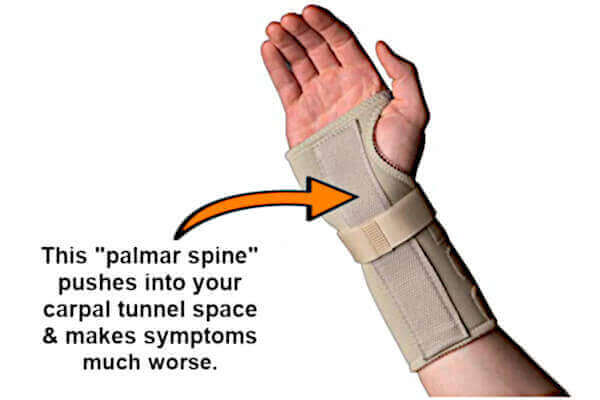
1. Night Bracing
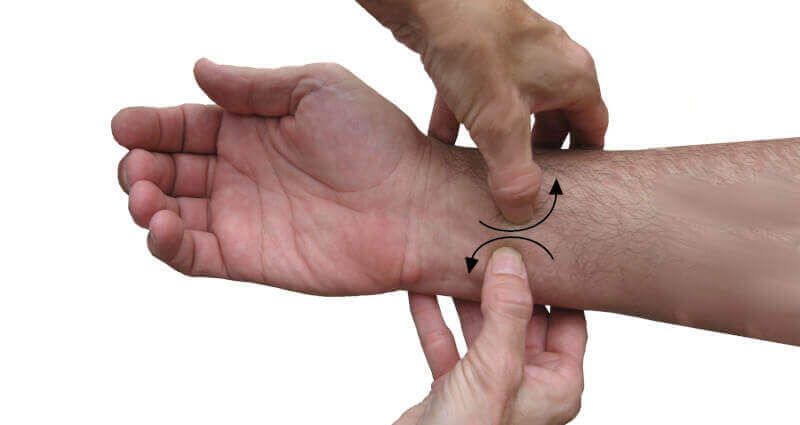
2. Myofascial Release Massage
Who Should Be Doing These Exercises?
These exercises are ideal for anyone who:
Common high-risk groups include:
Conclusion
The best carpal tunnel syndrome exercises are
simple, fast, and targeted tendon stretches performed consistently throughout the day.
- For prevention → every 2–3 hours
- For treatment → every 30–120 minutes
- For severe cases → combine with bracing and therapy
When done correctly, these exercises can:
- Reduce pain and numbness
- Restore hand function
- Stop progression of the condition
Key Takeaway
Carpal tunnel relief doesn’t come from random exercises—it comes from a
structured, consistent tendon-focused routine.
About Dr. Zannakis