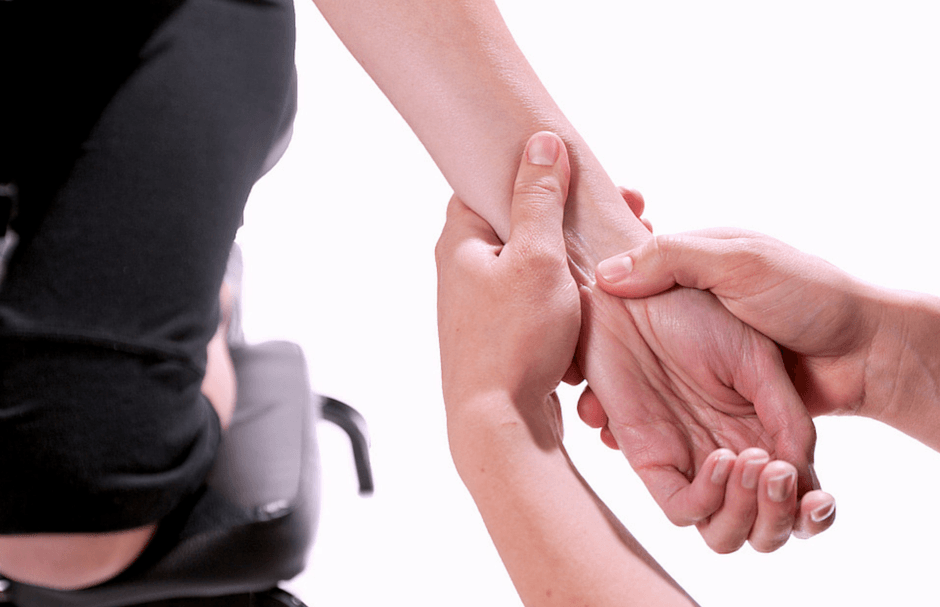
Carpal tunnel massage—specifically myofascial release—is a highly effective, non-surgical treatment that relieves pressure on the median nerve by breaking tendon adhesions and reducing wrist swelling.
If you’re dealing with numbness, tingling, or pain in your hands, you may already know how frustrating carpal tunnel syndrome can be. The good news is that one of the most effective treatments doesn’t involve medication or surgery.
Carpal tunnel massage, especially a technique called
myofascial release,
is widely used by physical therapists to treat the root cause of the condition—not just the symptoms. When done properly and consistently, it can significantly reduce pain, restore function, and even prevent the condition from getting worse.
Carpal tunnel massage is a therapy that uses myofascial release techniques to break up adhesions in wrist tendons and reduce pressure on the median nerve. It helps relieve pain, numbness, and tingling by improving tendon movement and draining fluid buildup inside the wrist.
For best results:
- Use proper myofascial release technique
- Perform daily (twice daily is ideal)
- Continue treatment for at least 4 weeks
- Avoid vibrating massagers
Find Out If You Have Carpal Tunnel — And How Severe It Is
Start with the symptom self-test to see if your symptoms match carpal tunnel syndrome.
If they do, take the severity quiz to estimate how advanced your condition may be.
People Also Ask
Does carpal tunnel massage really work?
Yes. Myofascial release massage is widely used by therapists to reduce tendon adhesions and relieve pressure on the median nerve, often eliminating symptoms.
Can I massage carpal tunnel myself?
No. Proper technique requires two thumbs working together, making self-massage ineffective for true myofascial release.
How often should I do carpal tunnel massage?
Daily treatment is essential, ideally twice per day for at least 4 weeks to achieve meaningful results.
Are vibration massagers good for carpal tunnel?
No. Vibration can worsen symptoms and increase the risk of nerve irritation.
What Is Carpal Tunnel Massage and Why Does It Work?
Carpal tunnel massage is effective because it targets the
root cause of the condition—not just symptoms. Therapists primarily use a technique called
myofascial release, which focuses on breaking down adhesions in the soft tissues of the wrist and forearm.
What Causes Carpal Tunnel Syndrome?
1. It Starts with Strained Tendons
Carpal tunnel syndrome begins when the
forearm flexor tendons in your wrist become overworked. These tendons allow your fingers to move and grip. Over time, they develop
adhesions and restrictions, which lead to irritation and inflammation.
2. Swelling Compresses the Nerve
As inflammation increases, fluid builds up inside the wrist joint. Because the carpal tunnel is a tight space, this swelling compresses the
median nerve, causing symptoms like:
How Does Carpal Tunnel Massage Fix the Problem?
Carpal tunnel massage works by:
- Breaking up tendon adhesions
- Restoring smooth tendon movement
- Draining excess fluid from the wrist
- Reducing pressure on the median nerve
This combination allows the nerve to recover and symptoms to gradually disappear.
How Do You Do Carpal Tunnel Massage Correctly?
Perform It Properly
Proper technique is critical. Myofascial release requires
two thumbs working together, making it difficult to perform on yourself. A trained therapist or specialized device is recommended.
Follow a Daily Routine
Consistency is essential:
- Perform massage
daily (twice daily is ideal)
- Each session should last about
15 minutes
- Continue for at least
4 weeks
Be Patient
Carpal tunnel develops over time—and healing does too. A proper massage routine requires
weeks of consistent treatment for full results.
What Should You Avoid When Doing Carpal Tunnel Massage?
❌ Do not attempt self-massage (ineffective technique)
❌ Do not skip sessions (consistency is critical)
❌ Do not use
vibrating massagers (can worsen symptoms)
How Do Therapists Perform Carpal Tunnel Massage?
Therapists use:
- Thumb and finger pressure
- Rotating, counter-directional movements
- Continuous motion across the wrist and forearm
They work an area of about
3–6 square inches, focusing on the wrist where nerve compression is greatest. Massaging fingers never remain in one area for too long.
What Results Can You Expect from Carpal Tunnel Massage?
With proper technique and consistency, carpal tunnel massage:
- Breaks down adhesions
- Improves circulation
- Reduces swelling
- Relieves nerve compression
Most patients experience significant symptom relief—and often complete resolution—when therapy is done correctly and consistently.
Carpal Tunnel Massage vs Other Treatments: Which Works Best?
| Treatment |
Treats Root Cause |
Ease of Use |
Relief Timeline |
Long-Term Results |
Carpal Tunnel Massage
(Myofascial Release)
|
✅ Yes |
⚠️ Moderate (needs proper technique) |
2–4 weeks |
✅ High |
| Night Bracing |
❌ No |
✅ Easy |
Varies |
⚠️ Moderate |
| Anti-inflammatory Medications |
❌ No |
✅ Very Easy |
Temporary relief |
❌ Low |
| Steroid Injections |
❌ No |
⚠️ Moderate (doctor required) |
Weeks to months |
⚠️ Limited |
| Surgery |
⚠️ Partial |
❌ Invasive |
Months |
⚠️ Variable |
BEST CHOICE
Carpal Tunnel Massage
(Myofascial Release)
Treats Root Cause:
✅ Yes
Ease of Use:
⚠️ Moderate (needs proper technique)
Relief Timeline:
2–4 weeks
Long-Term Results:
✅ High
Night Bracing
Treats Root Cause:
❌ No
Ease of Use:
✅ Easy
Relief Timeline:
Varies
Long-Term Results:
⚠️ Moderate
Anti-inflammatory Medications
Treats Root Cause:
❌ No
Ease of Use:
✅ Very Easy
Relief Timeline:
Temporary relief
Long-Term Results:
❌ Low
Steroid Injections
Treats Root Cause:
❌ No
Ease of Use:
⚠️ Moderate (doctor required)
Relief Timeline:
Weeks to months
Long-Term Results:
⚠️ Limited
Surgery
Treats Root Cause:
⚠️ Partial
Ease of Use:
❌ Invasive
Relief Timeline:
Months
Long-Term Results:
⚠️ Variable
Summary: Does Carpal Tunnel Massage Really Work?
Carpal tunnel massage using myofascial release is one of the most effective non-surgical treatments available. By breaking adhesions and reducing swelling, it directly addresses the cause of nerve compression.
However, success depends on:
- Proper technique
- Daily consistency
- Patience over several weeks
Key Takeaways
- Carpal tunnel massage treats the
root cause, not just symptoms
- Myofascial release is the most effective technique
- Daily treatment is essential for success
- Self-massage and vibration devices should be avoided
- Results improve significantly with consistency
About Dr. Zannakis